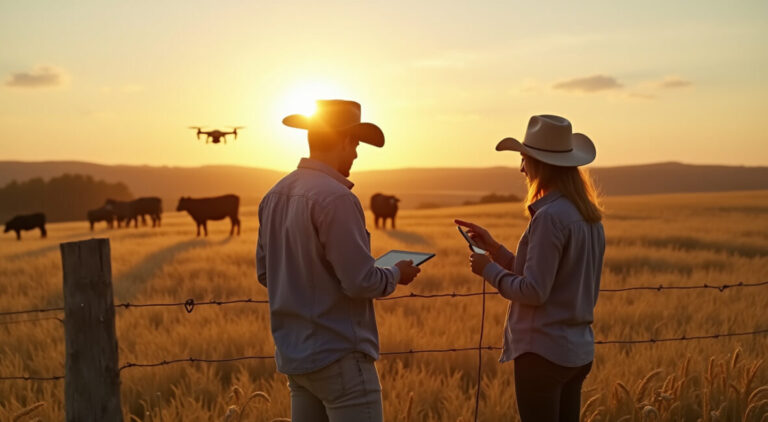
Precision ag tools are affordable sensors, apps, and DIY solutions that help small farms boost yields, reduce costs, and make smarter decisions. These tools matter because they bring data-driven farming to operations that can’t justify large capital investments, enabling targeted fertilization, irrigation, and health monitoring.
Small-scale growers face tight margins and limited labor, so selecting the right precision ag tools lets them capture measurable ROI without complex deployments. This guide reviews practical sensors, pocket-friendly apps, and DIY builds, explains where to buy low-cost gear, and offers implementation steps to get started.
Low-cost soil moisture and temperature sensors deliver actionable data for irrigation scheduling and crop stress detection. Typical options include capacitive moisture probes, thermistors, and inexpensive EC sensors that help estimate salinity and nutrient availability.
These sensors often connect via wired data loggers or short-range wireless (Bluetooth, LoRaWAN gateways), enabling on-field monitoring without recurring subscription fees. Choosing ruggedized units with replaceable cables extends service life on a working farm.
For small farms, prioritize sensors with clear calibration procedures and local data logging so you can validate readings before scaling to additional probes and automation.
Mobile Apps for Field Decision-making
Pocket-friendly apps turn sensor data into daily tasks: irrigation alerts, fertilizer timing, and field notes. Many apps integrate with low-cost sensors or allow manual entry, offering farm maps, treatment histories, and yield tracking to support better choices.
Free or one-time-purchase apps reduce monthly overhead. Look for apps that export CSV or integrate with common cloud services to maintain ownership of your data and simplify reporting for grants or certifications.
When evaluating apps, test ease of use in the field: offline maps, quick data entry, and simple dashboards matter more than feature-heavy suites you’ll never use.
DIY Builds That Deliver Value
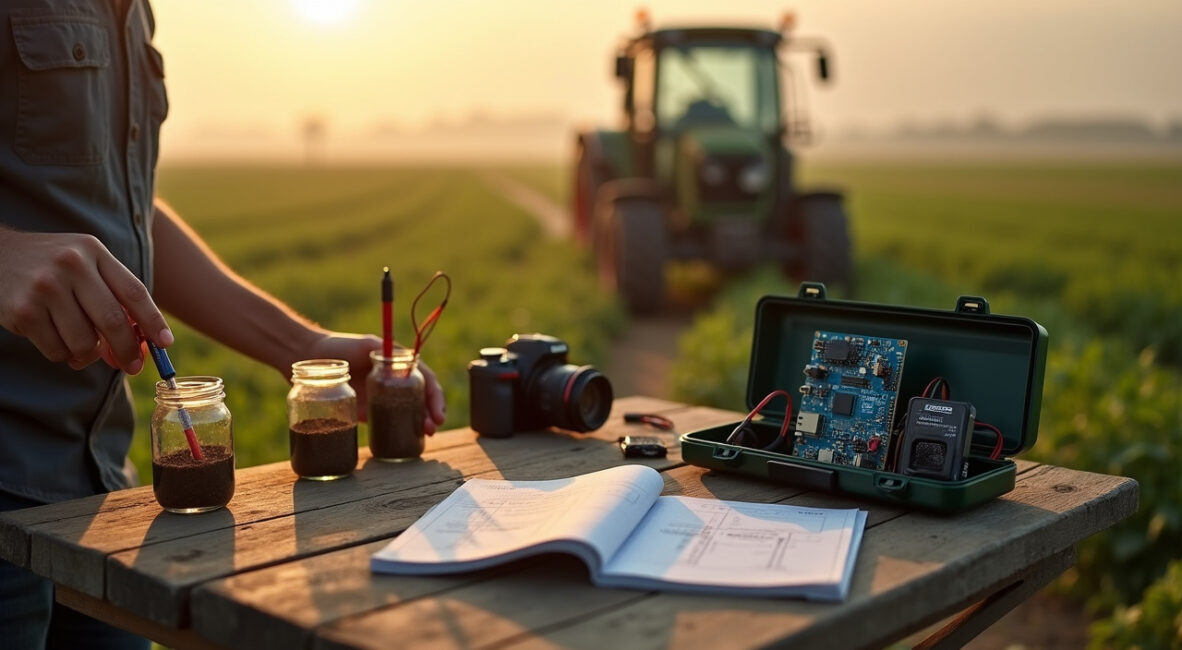
Do-it-yourself precision ag tools — like Arduino or Raspberry Pi sensor stations — can monitor soil moisture, temperature, light, and battery voltage for a fraction of commercial systems. With basic soldering and an understanding of sensor wiring, farmers can assemble reliable monitors.
DIY systems let you choose components, replacing expensive gateways with low-cost LoRa modules or using a smartphone as a temporary logger. This reduces capital costs while providing tailored functionality for unique crops or layouts.
Document your wiring, code, and calibration steps so you can replicate stations across the farm and avoid downtime when repairs are needed.
Anúncios
Cost-effective Sensor Networks (precision Ag Tools Alternatives)
Choosing Connectivity Options
Selecting the right connectivity is crucial: Bluetooth suits small plots and individual devices, while LoRaWAN covers wider areas with low power usage. Cellular offers ubiquitous coverage but can incur ongoing data costs, so evaluate monthly fees against expected benefits.
Mesh networks using inexpensive radio modules can link multiple DIY probes to a central aggregator. For very small farms, using a smartphone as a hub during farm rounds is often sufficient and avoids subscription costs.
Consider redundancy: local data logging plus periodic cloud sync protects against connectivity outages and ensures critical historical data is preserved for analysis.
Placement and Sensor Density
Sensor placement affects data quality: place soil moisture probes in representative zones (not just near obvious wet or dry spots). For heterogenous fields, increasing probe density where soil types change yields better irrigation and fertilizer decisions.
Start small—deploy a few sensors in key areas (fields, high-value crops, livestock paddocks) and expand as patterns emerge. This phased approach minimizes upfront cost and shows ROI before scaling.
Combine point sensors with occasional manual checks to validate readings and refine placement over the season, improving accuracy over time.
Budgeting and Expected ROI
Costs vary: a single basic moisture probe can be under $50; DIY stations under $150; simple apps free to $50 one-time. Compare these against saved water, reduced fertilizer, and avoided crop loss to estimate payback periods.
Measure ROI by tracking input reductions, yield improvements, and saved labor across a season. Even modest efficiency gains often justify initial outlays for small farms targeting margin improvements.
Keep spare sensors and plan maintenance to prolong system life and protect the investment—long-term uptime maximizes returns from affordable precision ag tools.
Connectivity
Typical Range
Estimated Cost
Bluetooth
10-100 m
$0–$30 per node
LoRaWAN
1–10 km
$20–$200 gateway + $10–$100 nodes
Cellular
Wide (carrier)
$5–$20/month + $50–$200 modules
Precision Ag Tools for Crop Monitoring
Remote Sensing and Imagery
Satellite and drone imagery provide NDVI and other vegetation indices to identify stress, plant health, and vigor. Small farms can use low-cost drone services or free satellite data for field-scale diagnostics and timing interventions.
Imagery complements ground sensors by highlighting spatial patterns you might miss with point probes. Integrating imagery into farm maps makes scouting more efficient and targets labor where it matters most.
For routine monitoring, schedule imagery around key growth stages—establishment, pre-tillering, and pre-harvest—to track development and validate in-field sensor data.
Handheld Devices and Spot Checks
Handheld chlorophyll meters, soil EC testers, and portable pH pens allow quick spot checks to validate sensors or guide localized treatments. These devices are relatively affordable and easy to use during routine walks.
Regular spot checks build confidence in automated readings and help calibrate sensors seasonally, especially after extreme weather or soil disturbance events that affect measurements.
Train workers to perform standard checks and record results in a mobile app or notebook to create a simple audit trail for decisions and inputs.
Actionable Thresholds and Alerts
Define thresholds for moisture, temperature, and nutrient signals that trigger actions—irrigation, fertigation, or scouting. Threshold-based alerts reduce decision fatigue and ensure timely interventions to prevent yield loss.
Use conservative thresholds initially and refine them across seasons as you correlate data with crop outcomes. Logging alerts and responses helps improve thresholds and realize better ROI from precision ag tools.
Integrate alerts with SMS, push notifications, or automated relays to irrigation valves, keeping interventions fast and efficient.
Anúncios
Mobile Apps and Software (precision Ag Tools Apps)
Essential Features to Look For
Look for apps that offer field mapping, sensor integration, task scheduling, and offline operation. Simplicity and fast workflows matter more than advanced analytics for many small farms, where time and tech comfort are limited.
Exportable data (CSV) and interoperability with common farm management systems protect future flexibility and compliance needs. Apps with clear dashboards help you prioritize field actions during busy seasons.
Test apps with trial accounts or free tiers to ensure they work with your devices and fit your workflow before committing to paid subscriptions.
Top Affordable Apps and Platforms
FarmLogs (basic field mapping and scouting)
OpenATK/FieldKit (open-source sensor integration)
SoilWeb-like soil reference apps for local context
AgFuse or local cooperative-developed tools
CSV-friendly note-taking apps for simple records
Many affordable apps offer tiered pricing so you can begin with free or low-cost plans and upgrade as benefits become clear. Prioritize apps that require minimal daily input and provide clear ROI metrics.
Community forums and cooperatives often share templates and settings that accelerate setup and reduce trial-and-error on small farms.
Ensure the app’s terms let you export raw data. Data ownership matters if you plan to switch platforms, apply for precision-ag grants, or integrate data into accounting and compliance processes.
Prefer apps that store data locally with optional cloud sync and that provide clear privacy policies. Avoid vendor lock-in by keeping periodic exports and backups.
If using third-party integrations, review permissions for sensor manufacturers and marketplaces to prevent unintentional data sharing beyond your farm’s needs.
DIY Electronics and Builds (precision Ag Tools Builds)
Starter Components and Kits
Microcontrollers: Arduino Uno, ESP32
Soil moisture probes: capacitive sensors
Temperature sensors: DS18B20
Radio modules: LoRa SX127x
Power: small solar panels and LiFePO4 batteries
Starter kits combining these components reduce setup time and learning curves. Choose components with active community support and available libraries for faster development and troubleshooting.
Document your builds with photos, schematics, and code repositories so you can replicate or improve designs across multiple stations on the farm.
Calibration and Reliability
Calibrating sensors against lab or trusted handheld measurements ensures accuracy. For soil moisture, calibrate probes in representative soil samples and correct for soil texture and salinity effects.
Use enclosures rated for outdoor use, seal connections, and place electronics under shade to prevent heat-related failures. Regular maintenance checks during the season reduce downtime.
Plan for component replacement: cheap parts may fail faster, so balance upfront savings with total cost of ownership and repair time when designing systems.
Cost Vs. Performance Trade-offs
DIY options cut costs but increase maintenance and setup time. For many small farms, the trade-off is acceptable when labor is available and the system’s functions are simple—like scheduled irrigation or spot monitoring.
Record time spent building and maintaining DIY systems as part of ROI calculations. If maintenance demands grow, consider migrating critical functions to low-cost commercial devices with support.
Hybrid approaches—commercial sensors with DIY gateways—can combine reliability with savings and customization for farm-specific needs.
Device Type
DIY Cost
Basic moisture probe station
$30–$80
Commercial sensor node
$100–$400
LoRa gateway
$100–$250
Implementation and Sourcing (precision Ag Tools Sourcing)
Where to Buy Budget Gear
Buy reliable, low-cost sensors and modules from established electronics suppliers and agricultural marketplaces. For specialty ag sensors, consider trusted resellers and institutional suppliers that offer warranty and support.
Community groups, makerspaces, and local cooperatives often source parts in bulk, reducing per-unit cost. For official guidance and grant-aligned purchases, consult extension services like Extension programs.
Compare shipping, returns, and spare-part availability when choosing vendors—sometimes a slightly higher price with better support is cheaper over the life of a device.
Step-by-step Deployment Plan
Start with a pilot: choose a representative field, deploy sensors, and run a single season of data collection. Define KPIs like water saved, fertilizer reduced, or labor hours cut to evaluate effectiveness.
After validation, scale to other fields in phases, documenting placement rules and maintenance schedules to ensure consistency. Train staff on data entry, alert responses, and basic repairs.
Integrate findings into crop plans and budgets so decisions are guided by measurable outcomes rather than ad hoc observations.
Training and Support Resources
Use online tutorials, local extension agents, and maker communities for setup support and troubleshooting. Manufacturer forums and GitHub repositories offer code samples and wiring diagrams for DIY builds.
Consider short training sessions focusing on daily tasks: how to read dashboards, respond to alerts, and perform basic maintenance. This reduces reliance on external technicians and preserves institutional knowledge on the farm.
Document procedures in a simple manual or video so new workers can quickly learn the system and maintain continuity across seasons.
Affordable precision ag tools let small farms access data-driven decisions through practical sensors, pocket-friendly apps, and DIY builds. By starting with modest pilots—choosing the right sensors, connectivity, and apps—farmers can capture measurable ROI and scale solutions responsibly.
Precision ag tools reduce input waste and improve yields when paired with clear thresholds, regular calibration, and simple maintenance. Test a small system this season, track savings, and expand what works to maximize impact.
FAQ
What Are the Most Cost-effective Precision Ag Tools for Beginners?
The easiest starters are soil moisture probes, a simple thermometer, and a smartphone-compatible app for logging. Combined, they offer immediate benefits for irrigation and quick decision-making. Begin with one or two sensors to validate results before scaling up.
Can DIY Sensor Stations Match Commercial Accuracy?
DIY stations can be accurate when components are well-chosen and calibrated. Calibration against trusted handheld devices and consistent maintenance are essential. While commercial units may offer better durability, DIY provides flexibility and lower upfront costs.
How Do I Calculate ROI for Precision Ag Tools?
Track input reductions (water, fertilizer), labor savings, and yield changes across a season. Compare these gains to device and maintenance costs. Even modest efficiency improvements often justify investments on small farms within one or two seasons.
Are There Affordable Apps That Work Offline?
Yes—several farm apps provide offline mapping and data entry, syncing when connectivity returns. Prioritize apps that export data and have simple interfaces to ensure reliability during fieldwork without constant internet access.
Where Can I Get Help with Installations and Troubleshooting?
Local extension services, maker communities, and manufacturer forums are valuable resources. Many cooperatives and online groups share step-by-step guides and code samples for common DIY components to speed up troubleshooting and setup.
Edvânia Almeida. Formada em Ciências Contábeis e Pós-graduada em Gestão Financeira: Auditoria e Controladoria pela FGV. Pequena pecuarista e apaixonada pelo Agronegócio e Gestão Estratégica.
Para fornecer as melhores experiências, usamos tecnologias como cookies para armazenar e/ou acessar informações do dispositivo. O consentimento para essas tecnologias nos permitirá processar dados como comportamento de navegação ou IDs exclusivos neste site. Não consentir ou retirar o consentimento pode afetar negativamente certos recursos e funções.
Funcional
Sempre ativo
O armazenamento ou acesso técnico é estritamente necessário para a finalidade legítima de permitir a utilização de um serviço específico explicitamente solicitado pelo assinante ou utilizador, ou com a finalidade exclusiva de efetuar a transmissão de uma comunicação através de uma rede de comunicações eletrónicas.
Preferências
O armazenamento ou acesso técnico é necessário para o propósito legítimo de armazenar preferências que não são solicitadas pelo assinante ou usuário.
Estatísticas
O armazenamento ou acesso técnico que é usado exclusivamente para fins estatísticos.O armazenamento técnico ou acesso que é usado exclusivamente para fins estatísticos anônimos. Sem uma intimação, conformidade voluntária por parte de seu provedor de serviços de Internet ou registros adicionais de terceiros, as informações armazenadas ou recuperadas apenas para esse fim geralmente não podem ser usadas para identificá-lo.
Marketing
O armazenamento ou acesso técnico é necessário para criar perfis de usuário para enviar publicidade ou para rastrear o usuário em um site ou em vários sites para fins de marketing semelhantes.
 Ir para o conteúdo