Forage yield is the total biomass produced per unit area that’s available for grazing or cutting, and it directly influences feed costs, animal performance, and pasture sustainability. Understanding forage yield helps ranchers and farm managers make smarter rotation, fertility, and stocking-rate decisions to boost productivity and lower expenses.
Many producers improve forage yield by measuring production, adjusting grazing management, and switching to better pasture rotations. This article explains practical steps, management tactics, and monitoring methods to raise yields while protecting soil and plant health.
Below you’ll find actionable guidance on measuring, managing, and comparing rotations, plus tables, checklists, and a FAQ to help implement changes on your operation.
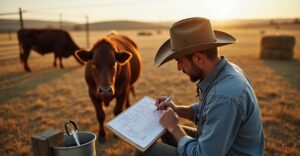
Measuring forage yield by harvesting sample quadrats gives a direct estimate of aboveground biomass and is widely used in research and on farms. Cut representative plots, dry or weigh fresh biomass, and convert to kilograms or tons per hectare. Consistency in quadrat size and timing is essential for comparable results.
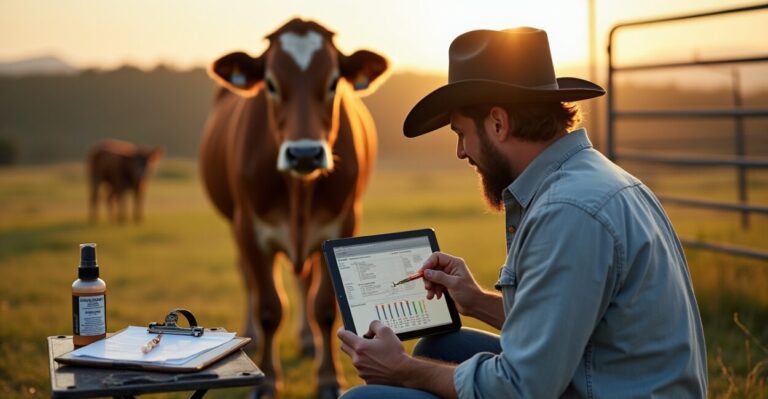
Record the cutting height, sample date, and pasture condition to refine estimates. Repeated sampling across seasons captures peak production and regrowth patterns. These measurements guide fertilizer, irrigation, and harvest intervals to maximize forage yield.
Use simple tools—shears, a scale, and a drying oven or standardized moisture correction—to improve accuracy. Pair harvest sampling with visual assessment to build a practical, repeatable monitoring routine on your ranch.
Indirect and remote sensing approaches
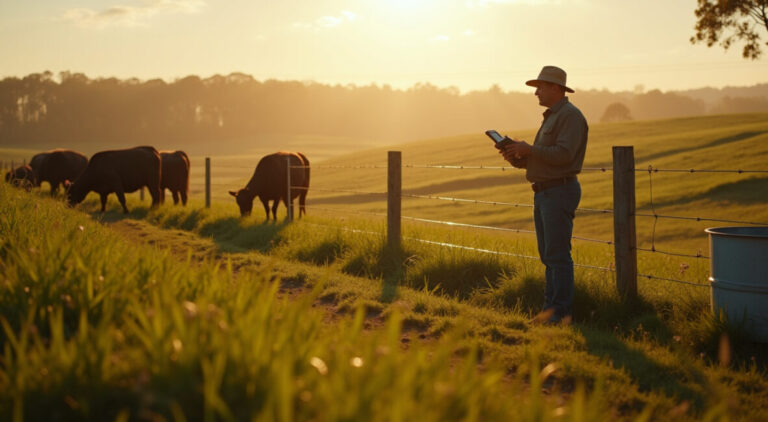
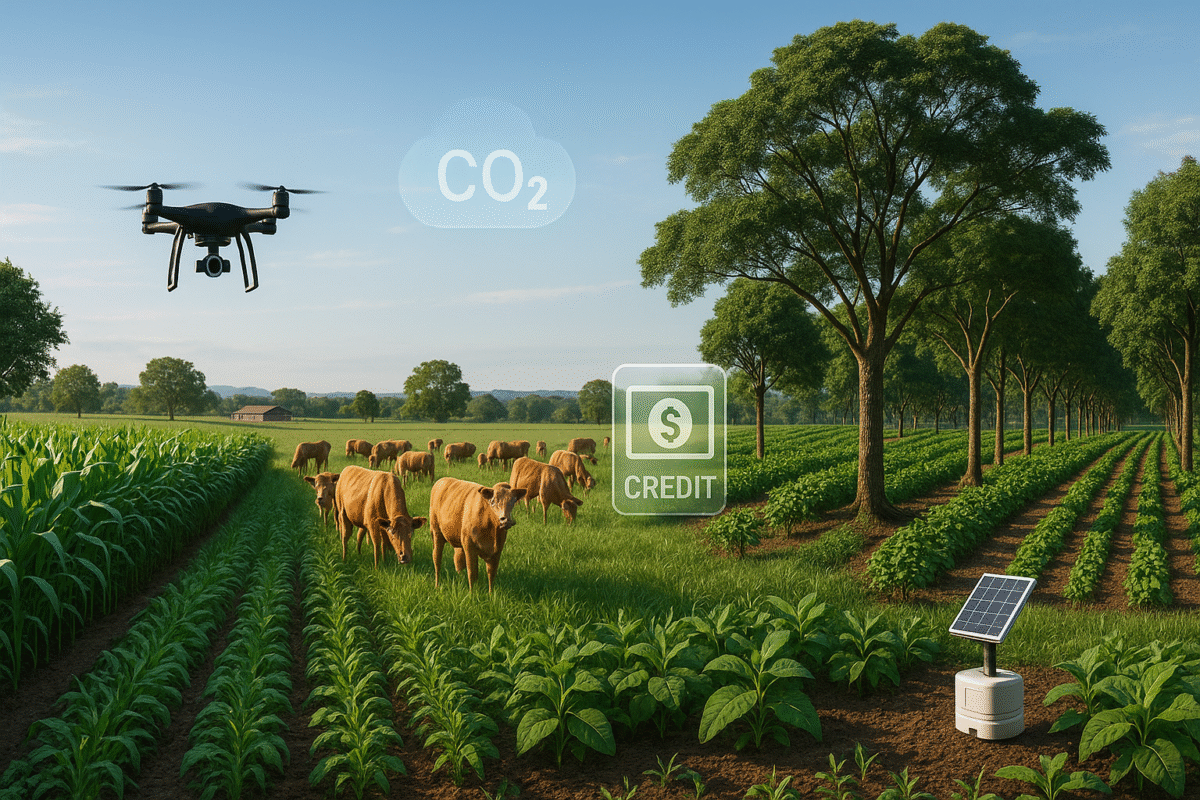
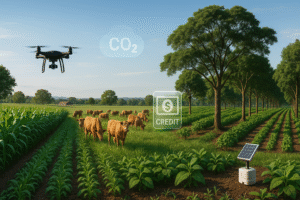
Remote sensing and NDVI-based indices provide scalable, non-destructive estimates of forage yield across large areas. Drones, satellites, and handheld sensors track biomass, greenness, and stress indicators, helping managers spot productivity differences between paddocks. These tools are especially useful for continuous monitoring and trend analysis.
While remote methods offer spatial coverage, they require calibration against ground-truth harvest samples to convert vegetation indices into actual forage yield figures. Combining ground samples and remote data improves accuracy and allows mapping of variability within pastures.
Integrate sensor data with weather and soil records to predict seasonal yield changes. Many farm management platforms now accept drone or satellite layers, making it simpler to use remote sensing for operational decisions.
Calculating stocking rates from yield data
Translate forage yield into sustainable stocking rates by converting biomass into animal-days of feed. Estimate dry matter intake per animal, subtract a conservative residual allowance for pasture recovery, and derive the number of animals the paddock can support without overgrazing. This keeps plant vigor and long-term forage yield stable.
Adjust stocking rates seasonally: higher during peak growth and lower during dormancy or drought. Rotational grazing systems allow higher overall stocking intensity by matching animal demand to regrowth windows, improving average forage yield over time.
Keep records of actual animal performance and pasture condition to refine calculations. Adaptive management—iteratively updating rates with measured forage yield—reduces risk and optimizes productivity.
Anúncios
Rotational systems to increase forage yield
Key principles of rotational grazing
Rotational grazing divides pasture into multiple paddocks to control grazing pressure and allow rest periods. Core principles include short grazing periods in each paddock, adequate recovery time, and matching mob size to forage availability. Applying these principles can markedly improve forage yield and plant persistence.
Short, intense grazing followed by rest
Monitoring residual height and regrowth
Adjusting rotation length with seasons
Using water and fencing to concentrate management
By cycling animals and allowing recovery, plants store carbohydrates and rebuild root mass, resulting in higher forage yield over successive seasons. Infrastructure and planning are initial investments that pay off through improved productivity.
Designing paddock layout for productivity
Effective paddock design considers water access, shade, terrain, and forage distribution to reduce animal trampling and overuse of preferred areas. Smaller paddocks increase grazing control and allow precise rest periods, often increasing average forage yield when managed correctly. Plan lanes and gates to minimize disturbance and walking distance.
Use temporary electric fencing to test new layouts before permanent works. Strategic placement of water and mineral points encourages uniform grazing and better utilization of available forage, helping lift overall yield across the farm.
Combine spatial planning with monitoring to identify underperforming compartments. Over time, adjust paddock sizes and rotation patterns to match growth rates and grazing demand for sustained yield improvements.
Monitoring recovery and regrowth rates
Track forage yield by measuring regrowth intervals and residual stubble height after grazing. Knowing the time needed for a species to reach target grazing height informs rotation length, maximizing harvest without compromising regrowth. Proper recovery keeps plants in a vegetative state, boosting subsequent yields.
Maintain records of days to regrowth across seasons and adjust rest periods for variability in rainfall and temperature. Rapid response to slower recovery—reducing stocking density or extending rest—prevents yield declines and stand thinning.
Incorporate grazing charts and simple photographic records to support decisions. Over time, data-driven adjustments increase forage yield stability and resilience to climatic swings.
Species selection and forage yield potential
Warm-season vs cool-season species
Selecting the right species mix affects seasonal forage yield and quality. Cool-season species (ryegrass, orchardgrass) peak in spring and fall, while warm-season grasses (sorghum, bermudagrass) dominate summer production. Combining both groups smooths annual yield curves and reduces feed gaps.
Evaluate regional performance data and trial small plots before large-scale conversion. Proper species choice multiplies forage yield and supports animal productivity across variable seasons.
Legumes and nitrogen fixation effects
Incorporating legumes such as clover or alfalfa increases forage yield by adding biologically fixed nitrogen and improving forage quality. Legumes reduce external fertilizer needs, lower production costs, and often increase total dry matter yield when well-established. They also improve palatability and animal intake.
Establish legumes in mixtures or pure stands depending on management goals. Maintain appropriate pH and fertility for longevity; legumes are sensitive to acidity and nutrient imbalances. Rotational grazing and correct rest periods encourage legume persistence and maximize yield benefits.
Monitor legume proportion in stands; if it declines, consider overseeding or adjusting grazing pressure. Maintaining a healthy legume component helps sustain higher forage yield with lower input costs.
Perennial vs annual forage strategies
Perennial pastures provide stable forage yield year after year with lower re-establishment costs, while annuals can deliver high short-term productivity and fill seasonal gaps. Perennials improve soil structure and carbon input, supporting long-term yield, whereas annuals offer flexibility in emergency or high-demand periods.
Combine perennials for baseline production with strategic annual lanes or paddocks to boost peak season yield or recover after drought. This mixed strategy helps maintain consistent feed availability and optimizes land use efficiency.
Economic and labor considerations influence the balance. Evaluate establishment costs, expected yields, and rotation plans to determine the right mix for your operation’s forage yield goals.
Anúncios
Soil fertility and its role in forage yield
Nutrient management for higher yield
Soil fertility underpins forage yield potential: nitrogen, phosphorus, potassium, and sulfur are commonly limiting nutrients. Soil testing guides precise fertilizer applications that match crop needs, avoiding over- or under-application. Targeted nutrient management increases biomass and feed quality.
Apply nutrients based on realistic yield goals and species requirements. Split applications, especially for nitrogen, align supply with growth flushes, improving uptake and reducing losses. Consider manure or compost to recycle on-farm nutrients and build organic matter.
Record inputs, yields, and tissue tests to refine recommendations. Over time, balanced fertility promotes consistent forage yield and reduces long-term input costs.
Soil pH and lime recommendations
Soil pH strongly affects nutrient availability and plant health, which in turn drives forage yield. Most forage species prefer pH between 5.8 and 7.0; acidic soils limit root growth and nutrient uptake. Regular soil testing allows targeted liming to correct acidity and improve yield potential.
Lime recommendations should be based on buffer pH tests and crop needs. Apply lime well before establishment when possible, and incorporate into a broader fertility plan. Correct pH enhances legume persistence and overall pasture productivity.
Track pH changes over time and adjust lime scheduling accordingly. Proper pH management is a cost-effective way to protect and increase forage yield across seasons.
Soil health practices that support yield
Practices that improve soil structure and biology—reduced tillage, cover cropping, and diverse rotations—boost forage yield by enhancing water infiltration and nutrient cycling. Building organic matter increases resilience to drought and improves sustained productivity across paddocks.
Integrate cover crops during fallow periods or in high-traffic areas to prevent erosion and add biomass. Promote a diverse plant community to support beneficial microbes and root architectures that stabilize yields over time.
Monitor soil compaction and use traffic management to limit compaction zones. Healthier soils produce more forage yield with fewer inputs, contributing to both profitability and sustainability.
Management practices that elevate forage yield
Timing of grazing and cutting
Grazing or cutting at the right growth stage maximizes forage yield and quality. Harvesting too early reduces total biomass; waiting too long can lower digestibility and compromise regrowth. Target species-specific heights for optimal balance between yield and recovery.
Monitor growth stages weekly during peak periods
Set residual heights to protect regrowth
Coordinate cutting with livestock nutrition needs
Use a calendar tied to accumulated growing degree days or visual markers to plan harvests. Consistent timing increases average forage yield and supports animal performance.
Water management and irrigation strategies
Water availability often limits forage yield. Where irrigation is possible, schedule applications to match critical growth phases and avoid water stress during regrowth. Efficient systems like drip or pivot irrigation improve water-use efficiency and boost dry matter production per unit of water.
Monitor soil moisture with probes or simple hand checks to avoid under- or over-irrigation. Make irrigation decisions based on growth stage and forecasted weather to protect yield and conserve resources.
For rainfed systems, improve water capture with contouring, cover crops, and residue management to enhance forage yield resilience during dry spells.
Pest, weed, and disease control
Unchecked weeds, pests, and diseases reduce stand vigor and lower forage yield. Early detection through regular scouting allows targeted interventions—spot spraying, biological controls, or selective grazing—to protect productive areas without broad chemical use. Integrated pest management supports long-term yield stability.
Rotate herbicide modes of action and incorporate cultural controls like competitive species mixes to suppress weeds. Manage grazing to avoid creating open niches where invasive species establish, maintaining pasture density and yield potential.
Keep records of outbreaks and treatments to refine prevention strategies. Timely, proportionate responses preserve forage yield and reduce input costs over time.
Economic comparison of rotation changes
Cost-benefit of switching rotations
Changing from continuous to rotational grazing often increases forage yield and lowers supplemental feed costs, but requires upfront investment in fencing and water infrastructure. Estimating increased dry matter production, feed savings, and animal performance gains helps justify capital expenses. Return on investment typically appears within a few seasons on well-managed operations.
Factor in labor, fencing, water systems, and potential reseeding costs. Use conservative yield improvement estimates when modeling outcomes and include sensitivity analysis for variable seasons.
Document actual changes in forage yield and animal metrics after implementation to validate projections and guide further investments.
Table: Comparative yield and cost estimates
System
Estimated annual forage yield (t DM/ha)
Relative annual cost change
Continuous grazing
3.0
Baseline
Rotational grazing
4.2
+10% infrastructure, -15% feed cost
Intensive rotational
5.0
+20% infrastructure, -25% feed cost
Long-term financial impacts of improved yield
Higher forage yield reduces reliance on purchased feeds, stabilizes margins, and can support higher stocking rates or increased herd size. Long-term benefits include improved soil health, reduced erosion-related costs, and greater resilience to market and weather shocks. Quantify these gains over a multi-year planning horizon for accurate financial assessment.
Include variable scenarios for drought and high-growth years to plan cash flow and capital replacement. Use local extension data and peer benchmarks to ground assumptions about likely forage yield responses to management changes.
Consider cross-enterprise benefits—selling surplus forage, leasing extra grazing, or reducing herd exit during lean years—to fully capture economic upside.
Conclusion
Improving forage yield requires reliable measurement, targeted species and soil management, and well-designed rotation systems. By combining good monitoring with adaptive grazing and fertility plans, managers can increase biomass, lower feed costs, and strengthen pasture resilience.
Start by measuring current forage yield, test small changes in rotation, and scale what works. Track results, adjust stocking rates, and invest where returns are clear—your pastures and herd performance will show the gains.
Frequently Asked Questions
How often should I measure forage yield?
Measure forage yield at least monthly during the growing season and after major management events. Frequent sampling provides trends to refine stocking rates and rotation timing efficiently.
Can rotational grazing double forage yield?
Rotational grazing can significantly increase average forage yield, sometimes 20–60% depending on prior management, species, and climate, but doubling is context-dependent and not guaranteed.
Which species give the highest annual forage yield?
High-yield species vary by region; combinations of productive perennials and seasonal annuals often deliver the best annual forage yield across diverse climates.
How does soil testing affect forage yield?
Regular soil testing identifies nutrient and pH limitations, enabling targeted amendments that unlock yield potential and improve fertilizer efficiency over time.
Are remote sensing tools worth the investment?
Remote sensing offers valuable spatial forage yield insights at scale, especially for larger operations; it works best when calibrated with ground-truth samples for accuracy.
References: USDA, FAO, and regional extension services for local forage yield guidelines.
Edvânia Almeida. Formada em Ciências Contábeis e Pós-graduada em Gestão Financeira: Auditoria e Controladoria pela FGV. Pequena pecuarista e apaixonada pelo Agronegócio e Gestão Estratégica.
Para fornecer as melhores experiências, usamos tecnologias como cookies para armazenar e/ou acessar informações do dispositivo. O consentimento para essas tecnologias nos permitirá processar dados como comportamento de navegação ou IDs exclusivos neste site. Não consentir ou retirar o consentimento pode afetar negativamente certos recursos e funções.
Funcional
Sempre ativo
O armazenamento ou acesso técnico é estritamente necessário para a finalidade legítima de permitir a utilização de um serviço específico explicitamente solicitado pelo assinante ou utilizador, ou com a finalidade exclusiva de efetuar a transmissão de uma comunicação através de uma rede de comunicações eletrónicas.
Preferências
O armazenamento ou acesso técnico é necessário para o propósito legítimo de armazenar preferências que não são solicitadas pelo assinante ou usuário.
Estatísticas
O armazenamento ou acesso técnico que é usado exclusivamente para fins estatísticos.O armazenamento técnico ou acesso que é usado exclusivamente para fins estatísticos anônimos. Sem uma intimação, conformidade voluntária por parte de seu provedor de serviços de Internet ou registros adicionais de terceiros, as informações armazenadas ou recuperadas apenas para esse fim geralmente não podem ser usadas para identificá-lo.
Marketing
O armazenamento ou acesso técnico é necessário para criar perfis de usuário para enviar publicidade ou para rastrear o usuário em um site ou em vários sites para fins de marketing semelhantes.
 Ir para o conteúdo