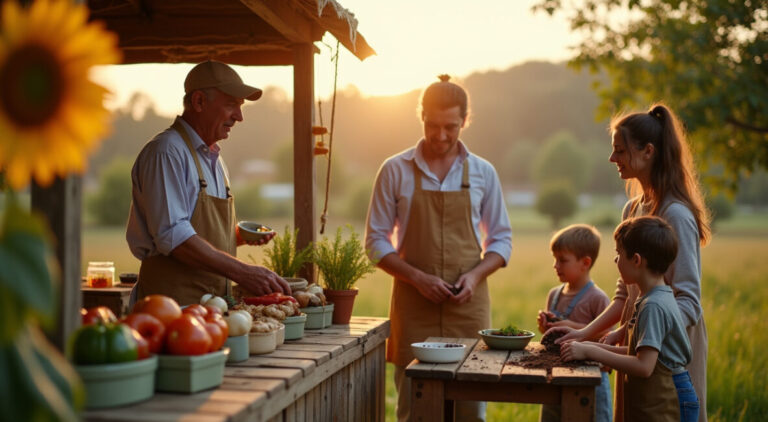
Market stalls are the frontline retail points at family farming fairs, where producers meet customers directly to sell fresh produce, artisanal goods, and value-added items. They matter because a well-run stall increases income, builds brand recognition, and turns casual visitors into repeat buyers. To start, focus on layout, pricing, and product display to capture attention and close sales.
Many smallholders miss opportunities by overlooking merchandising, traffic flow, and cross-selling. Proper stall setup and customer engagement strategies can lift average spend and create loyal customers at every event. This article walks through practical, tested tactics to optimize your market presence.
Below you’ll find actionable steps on stall design, product selection, pricing, promotions, and operations, plus comparison tables and a FAQ to answer common vendor questions.
Designing an inviting storefront for market stalls
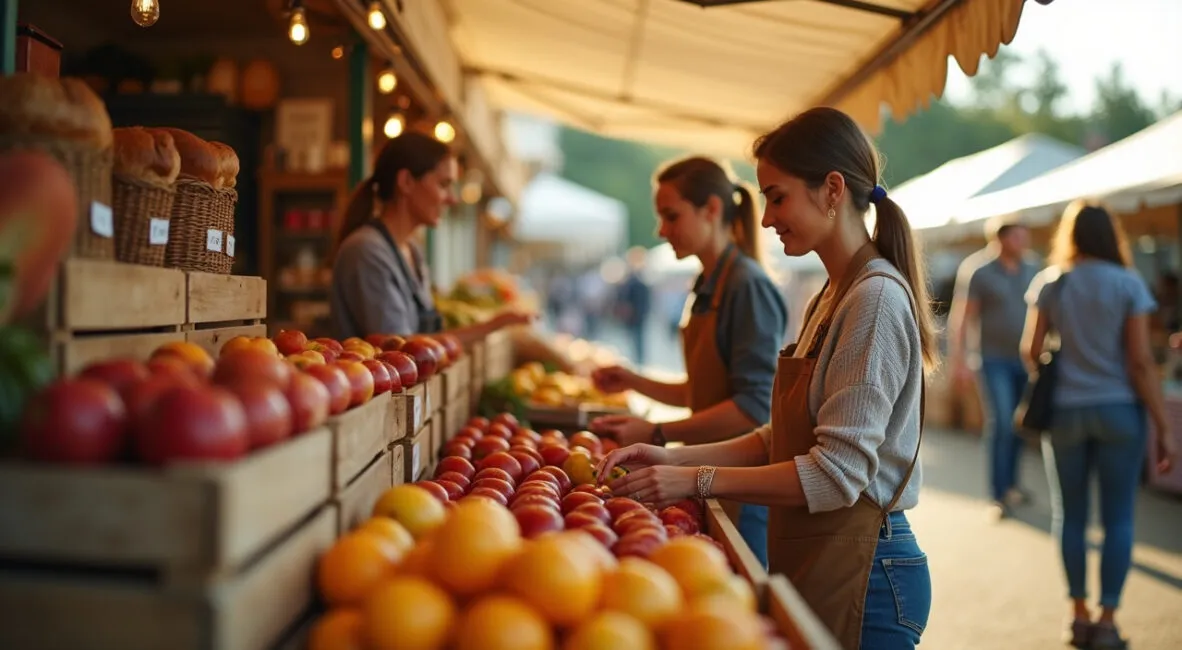
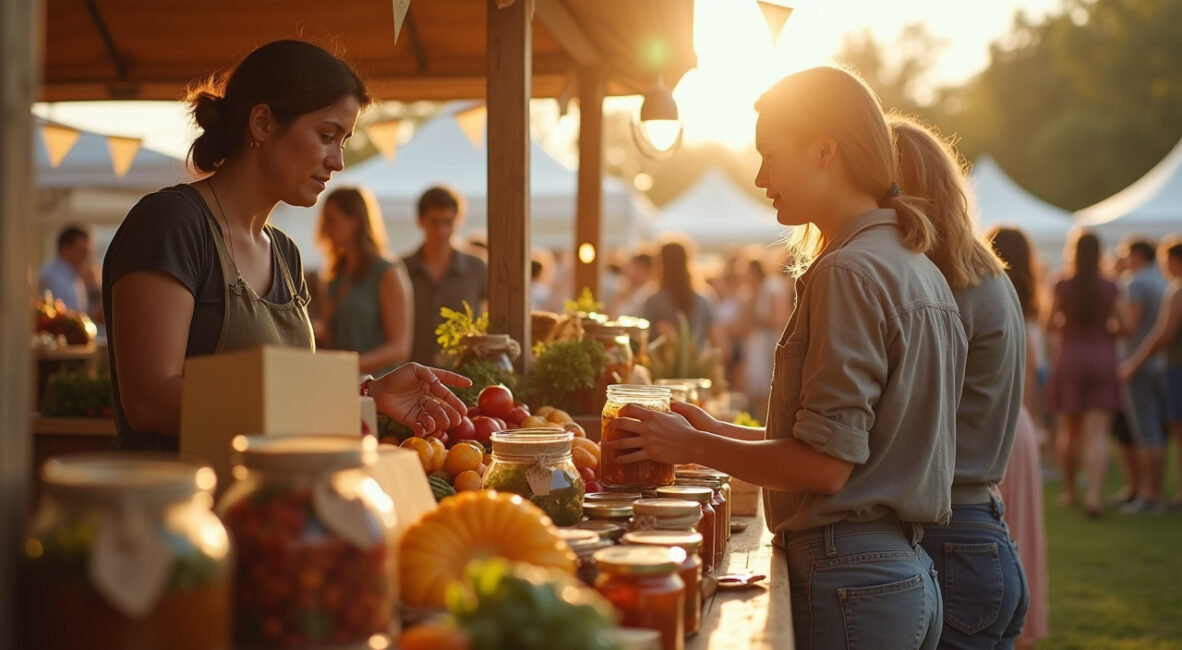
A welcoming storefront draws foot traffic and signals quality. Use clear signage, consistent colors, and visible pricing to reduce friction. Position bestsellers at eye level to anchor attention and orient newcomers to your offering quickly.
Consider an open layout that invites shoppers in rather than a closed counter barrier. Allowing a small browsing area encourages longer dwell time, which often increases average transaction value at the stall.
Lighting and cleanliness also matter: bright, tidy displays convey freshness for perishable goods and trustworthiness for prepared items, affecting purchase decisions at family fairs.
Flow and traffic patterns around Market stalls
Understand fair traffic to place complementary items where customers naturally pass. Right-hand bias exists: many shoppers turn right entering an aisle, so put high-margin items there. Think in terms of entry, engagement, and exit zones.
Create an intuitive path through your stall with clear focal points and grouped categories. Use signage and floor markers to guide visitors from display to checkout without congestion, important during busy fair hours.
Test different setups across events and track which layout yields higher conversions. Small tweaks to spacing and product placement can significantly impact sales and customer experience.
Accessibility and safety measures for effective market stalls
Ensure your stall meets accessibility needs to welcome all customers. Provide unobstructed aisles, reachable product heights, and clear price tags. Accessibility boosts both inclusivity and sales at family-oriented fairs.
Safety is equally crucial: secure tents, stable tables, and organized storage prevent accidents and protect inventory. Visible handwashing or sanitizer stations increase shopper confidence, especially for food vendors.
Plan emergency access and staff roles for peak times. Clear protocols for spills, sharp tools, or medical incidents reduce downtime and preserve your reputation during the event.
Anúncios
Product mix and merchandising in Market stalls
Curating product selection for a profitable market stall
Choose a balanced mix of staples, high-margin specialty items, and impulse buys to maximize spend. Staples build trust and repeat buyers; unique products differentiate your stall and justify premium pricing.
Rotate offerings by season and event demographics. Track sales per SKU to refine the assortment and phase out low-performers while scaling popular lines to increase revenue.
Visual merchandising techniques for market stalls
Visual merchandising elevates perceived value and drives purchases. Use tiered displays, color blocks, and clear labeling to make it easy for shoppers to compare and choose. Grouping similar items reduces decision fatigue.
Showcase origin stories and ingredient benefits with short, legible cards to connect consumers to your farm and processes. Authentic storytelling builds brand loyalty and often justifies higher price points.
Refresh displays throughout the day to maintain appeal and feature sold-out signs to create urgency. Small, ongoing adjustments keep the stall looking dynamic and well-managed.
Cross-selling and bundling at Market stalls
Cross-selling increases average order value by pairing complementary products—cheese with crackers, herbs with vegetables, or jam with bread. Train staff to suggest pairings naturally during interactions.
Bundling creates perceived savings and moves slower SKUs. Offer pre-made bundles and let customers customize to feel in control while you stabilize margins and inventory turnover.
Use signage to highlight bundles and pairings, and test price points to find the sweet spot where bundles increase revenue without reducing margins too much.
Product Type
Typical Margin
Best Placement
Fresh produce
10–30%
Front, eye level
Artisanal goods
30–60%
Center display
Prepared foods
25–50%
Near checkout
Pricing and promotions for Market stalls
Setting competitive but profitable prices for market stalls
Price to cover costs and reflect perceived value. Factor in production, stall fees, labor, and wastage when calculating break-even and target margins. Transparent pricing builds trust with fair shoppers.
Use simple tiered pricing for packs or bulk discounts to encourage larger purchases. Round prices to clean figures to speed transactions and reduce the need for change during busy periods.
Monitor competitor pricing at the fair and adjust on the fly for low-margin items or special deals. Dynamic pricing strategies help you stay competitive without eroding profitability.
Promotional tactics to increase footfall at market stalls
Promotions like “first 20 customers get a free sample” or loyalty punch cards drive trial and repeat visits. Time-limited offers create urgency and draw crowds during slower hours at the fair.
Collaborations with neighboring stalls for cross-promotions widen reach. Joint tastings or combo discounts encourage shoppers to spend across multiple vendors while benefiting your stall’s visibility.
Promote offers before the event via social media or local community pages to attract targeted visitors. Clear signage at the stall ensures passersby are aware of active promotions.
Tracking ROI and sales performance at market stalls
Record daily sales by SKU, time of day, and promotion to evaluate what works. Simple spreadsheets or mobile POS reports provide actionable insights for future events and inventory planning.
Calculate ROI on promotional spend, including samples, discounts, and labor, to determine cost-effective tactics. Measure customer counts and conversion rates to benchmark performance between fairs.
Use these metrics to optimize product mix, pricing, and staffing. Data-driven adjustments increase profitability and reduce the guesswork behind stall operations.
Anúncios
Staffing and customer service for Market stalls
Training staff to sell effectively at market stalls
Train vendors in product knowledge, suggestive selling, and friendly engagement. Role-play typical buyer questions so staff can confidently highlight benefits and close sales without sounding scripted.
Define clear roles: greeter, sampler, cashier, and stock manager. This division of labor keeps the stall efficient and ensures customers have a smooth experience from approach to purchase.
Encourage proactive service—smiles, brief demos, and personalized recommendations build rapport and often convert browsers into buyers, increasing revenue per visitor.
Customer engagement strategies at market stalls
Engage through storytelling about farm practices, seasonal cycles, and product origin to create emotional connections. Shoppers at family fairs value authenticity and are more likely to pay a premium for transparency.
Offer samples strategically to invite interaction without depleting stock. Use tactile experiences—letting customers touch produce or smell herbs—to increase perceived freshness and desirability.
Collect simple contact info for follow-up and build direct customer relationships. Email lists or WhatsApp groups let you announce future fair appearances and drive repeat sales.
Handling complaints and returns gracefully at market stalls
Accept returns with a calm, solution-focused approach: refund, exchange, or credit. A fair, prompt resolution preserves goodwill and positive word-of-mouth, crucial for small producers.
Document complaints and identify root causes—packaging, labeling, or transport issues—so you can prevent recurrence. Use feedback as a source of product improvement and training.
Communicate your policies clearly at the stall to set expectations. Transparency reduces disputes and increases customer trust in your market presence.
Operations and logistics for Market stalls
Inventory planning and stock rotation for market stalls
Forecast demand using past sales data and event size to avoid overstocking perishable goods. Prioritize fast-moving items and plan smaller batches of experimental products to test acceptance.
Implement a first-in, first-out approach to minimize waste. Label boxes with pack dates and designate clear storage areas to streamline restocking during the fair.
Track leftovers to adjust future production and to plan post-fair sales channels like local shops or online orders, reducing spoilage and recovering costs.
Transport and setup best practices for market stalls
Pack using modular crates and labeled containers for quick setup and teardown. A checklist for equipment—tables, canopy, signage, POS, and refrigeration—prevents last-minute forgetfulness.
Load heavier items first and position them for efficient unloading at the venue. Arrive early to secure a prime spot and set up before peak traffic starts, ensuring your stall looks polished on opening.
Have spare parts and basic tools on hand for quick repairs. A calm, prepared setup lowers stress and projects professionalism to arriving customers.
Cost control and budgeting for a market stall
Track fixed and variable costs separately: stall fees, transport fuel, packaging, and labor. Knowing per-event break-even points helps you price strategically and choose the most profitable venues.
Negotiate bulk inputs and share logistics with neighboring vendors to cut costs. Small efficiencies in packaging or route planning compound into meaningful savings over a season.
Reinvest a portion of profits into marketing, improved displays, or product development to grow customer loyalty and increase stall revenue over time.
Expense
Monthly Avg
Notes
Stall fees
$50–$300
Depends on fair size
Transport
$30–$150
Fuel and vehicle wear
Packaging
$20–$100
Eco options cost more
Marketing and branding for Market stalls
Building a recognizable stall brand
Consistent branding across signage, labels, and staff uniforms helps shoppers remember you between events. A clear logo and concise tagline communicate your proposition at a glance.
Tell your story—what you grow, how you farm, and why it matters—to differentiate from generic vendors. Authentic narratives resonate with family-fair visitors who seek connection with producers.
Use packaging as a billboard: branded bags and stickers turn customers into mobile promoters, amplifying awareness beyond the fairgrounds.
Digital promotion for in-person Market stalls
Announce fair appearances, special products, and promotions on social media and local community groups to drive targeted foot traffic. Use photos and short videos to showcase freshness and produce variety.
Collect emails and phone numbers for event reminders and seasonal offers. Direct communication increases repeat visits and boosts lifetime customer value from each market appearance.
Link to authoritative resources when explaining practices—such as USDA guidance or local extension services—to add credibility: USDA and NIFA.
Partnerships and community outreach to grow Market stalls
Partner with local chefs, schools, or food banks for pop-up demos or donations that raise your profile and build goodwill. Community ties often translate into loyal customers and press opportunities.
Join vendor associations or coop marketing groups to access shared advertising and event insights. Collective efforts can reduce individual marketing costs and increase reach.
Host or join tastings and cooking demos to educate consumers and showcase product versatility, driving both awareness and on-site sales.
Measurement and growth for Market stalls
KPIs to monitor growth of market stalls
Track metrics like sales per event, average transaction value, items per sale, conversion rate, and return customers. These KPIs reveal whether merchandising or pricing changes are working.
Combine quantitative data with qualitative feedback from customers to understand preferences and pain points. Use surveys or casual conversations to capture actionable insights.
Set quarterly goals for revenue growth, new customers, and repeat purchase rates. Regular reviews allow you to iterate strategies and scale successful tactics.
Scaling from single stall to multi-event operations
To expand, standardize processes for setup, pricing, and training so staff can replicate your brand consistently. Start by adding local fairs, then regional events as capacity allows.
Invest in mobile POS and inventory systems to manage multiple locations and gather consolidated sales insights. Centralized purchasing and shared logistics cut costs at scale.
Hire reliable seasonal staff and document workflows for onboarding. Consistent customer experience across events preserves brand trust as you grow.
When to diversify product lines or enter new markets
Consider diversification when demand outstrips supply or when customer feedback suggests adjacent needs—like ready-to-eat options or preserves. Pilot new items at select fairs before full rollout.
Evaluate new markets by traffic profile, demographic fit, and vendor mix. Not every fair suits every product; choose events where your offer addresses clear customer needs.
Balance innovation with core bestsellers to maintain a stable revenue base while testing growth opportunities in low-risk ways.
Final thoughts and next steps for Market stalls
Effective market stalls combine thoughtful layout, sharp merchandising, targeted pricing, and excellent customer service to convert fair visitors into loyal buyers. Focus on the product mix, display, and staff training to maximize every event’s revenue potential.
Measure performance, refine tactics, and scale deliberately. With consistent improvements and community outreach, your market stall can become a reliable income stream and a strong foundation for broader market expansion. Start by testing one change per event and track the results.
FAQ
How much should I charge for stall fees?
Stall fees vary widely by region and event size, typically between $50 and $300 per day. Assess expected foot traffic and average sale value to determine if a specific fair is profitable for your operation.
What’s the best way to accept payments at fairs?
Use a mobile POS that accepts cards and contactless payments to maximize sales. Keep a small amount of change and a clear policy for cash refunds to speed transactions and reduce bottlenecks.
How many staff do I need for a busy market stall?
For most busy stalls, 2–4 people cover greeting, sampling, sales, and restocking. Assign clear roles to maintain flow and customer service quality during peak hours.
How can I reduce waste from perishable stock?
Plan conservative production, offer day-end discounts, and repurpose unsold items into value-added products when safe. Track leftovers to refine future ordering and reduce spoilage.
Are permits required to sell at family farming fairs?
Permits and food safety regulations vary locally. Check with fair organizers and local health departments to obtain necessary licenses, certifications, and labeling requirements before vending.
Edvânia Almeida. Formada em Ciências Contábeis e Pós-graduada em Gestão Financeira: Auditoria e Controladoria pela FGV. Pequena pecuarista e apaixonada pelo Agronegócio e Gestão Estratégica.
Para fornecer as melhores experiências, usamos tecnologias como cookies para armazenar e/ou acessar informações do dispositivo. O consentimento para essas tecnologias nos permitirá processar dados como comportamento de navegação ou IDs exclusivos neste site. Não consentir ou retirar o consentimento pode afetar negativamente certos recursos e funções.
Funcional
Sempre ativo
O armazenamento ou acesso técnico é estritamente necessário para a finalidade legítima de permitir a utilização de um serviço específico explicitamente solicitado pelo assinante ou utilizador, ou com a finalidade exclusiva de efetuar a transmissão de uma comunicação através de uma rede de comunicações eletrónicas.
Preferências
O armazenamento ou acesso técnico é necessário para o propósito legítimo de armazenar preferências que não são solicitadas pelo assinante ou usuário.
Estatísticas
O armazenamento ou acesso técnico que é usado exclusivamente para fins estatísticos.O armazenamento técnico ou acesso que é usado exclusivamente para fins estatísticos anônimos. Sem uma intimação, conformidade voluntária por parte de seu provedor de serviços de Internet ou registros adicionais de terceiros, as informações armazenadas ou recuperadas apenas para esse fim geralmente não podem ser usadas para identificá-lo.
Marketing
O armazenamento ou acesso técnico é necessário para criar perfis de usuário para enviar publicidade ou para rastrear o usuário em um site ou em vários sites para fins de marketing semelhantes.