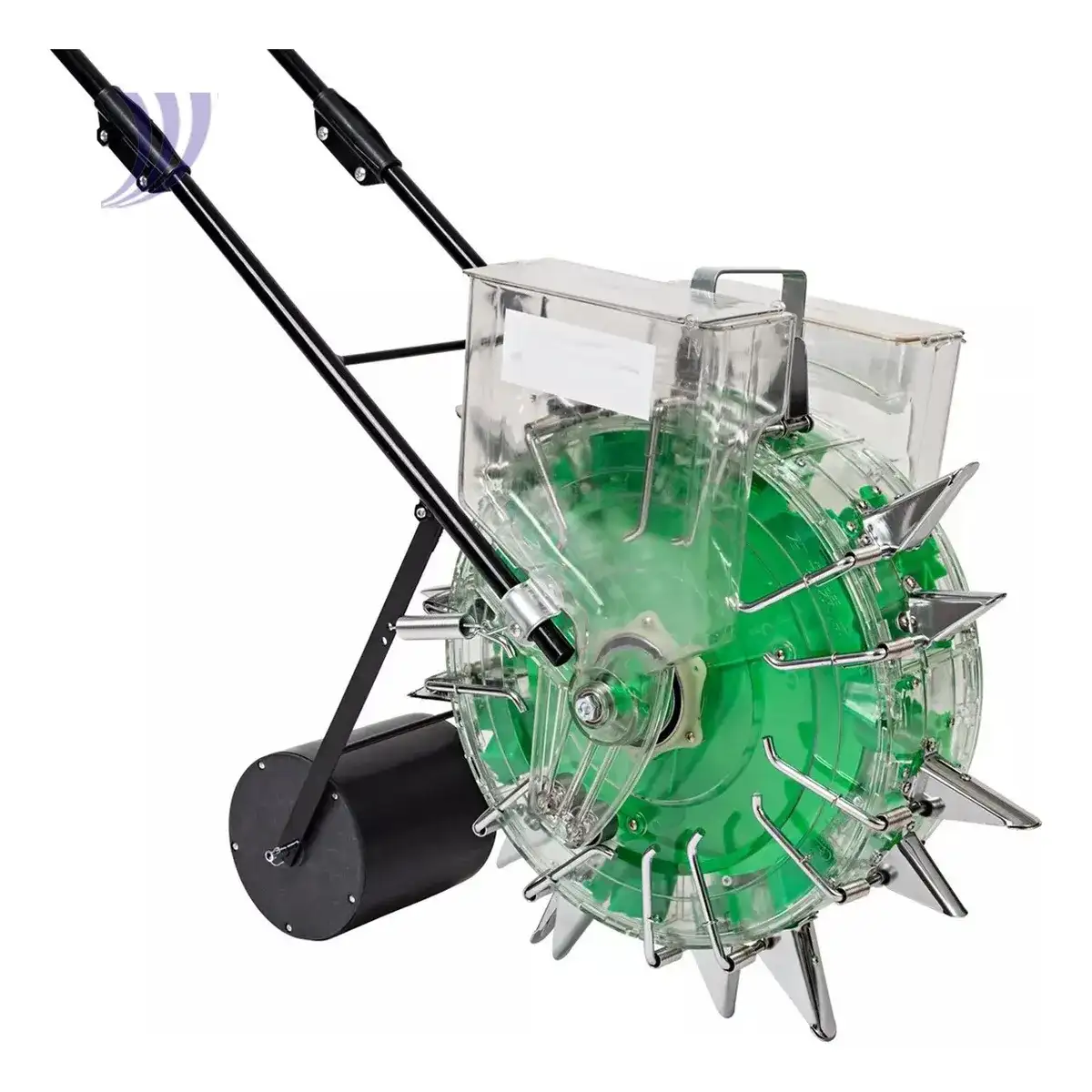
Agricultural Subsidies shape how farms adapt to climate change by directing public funds toward resilient practices and investments. These subsidies — including grants, tax breaks, and price supports — reduce risks, lower upfront costs, and accelerate adoption of climate-smart technology. To use them effectively, producers should understand eligibility, program goals, and how subsidies interact with other funding like loans.
Farmers face choices between nonrepayable grants and repayable loans when financing resilience upgrades. Agricultural Subsidies matter because they can de-risk investments in irrigation, cover-crop systems, and renewable energy without increasing debt, but they also come with compliance and reporting requirements. This article explains options, trade-offs, tax effects, and practical steps to finance climate-proof farms.
We’ll cover seven focused sections on Agricultural Subsidies alternatives, eligibility, program design, tax implications, financial comparisons, implementation tips, and common FAQs so you can decide which mix of grants and loans best suits your operation.
Types of Agricultural Subsidies and Funding Options
Direct grants, incentives, and payments
Direct grants are nonrepayable payments aimed at helping producers install climate-resilient infrastructure, adopt conservation practices, or transition to sustainable systems. These subsidies target barriers like high upfront costs for irrigation upgrades, soil health practices, or on-farm renewable energy. Grant programs often prioritize projects with measurable environmental outcomes, such as reduced emissions or improved water use efficiency. Understanding application cycles and performance reporting is essential before budgeting around grant awards.
Loans, credit lines, and subsidized finance
Low-interest loans and subsidized credit help scale investments that grants don’t fully cover, offering longer-term repayment schedules for equipment or land improvements. Credit can support larger capital projects—like solar arrays or large irrigation pivots—where grant funding is partial. Loans increase leverage but add debt service and financial risk, so comparing interest, terms, and covariance with crop revenue is critical for sound decisions.
Insurance, tax breaks, and market supports
Agricultural Subsidies also include crop insurance subsidies, tax incentives for conservation, and market supports such as price guarantees. Insurance cost-sharing lowers premium burdens, while tax credits can improve project returns by reducing taxable income. Integrating these instruments with grants and loans creates mixed financing structures that can maximize resilience without overstretching cash flow.
Prioritize vulnerable regions and small-scale producers.
Set eligibility criteria for technical readiness and management capacity.
Include monitoring to track resilience and compliance.
Program design should focus on where subsidies yield the highest public benefit. Eligibility frameworks need to balance inclusivity and capacity to implement complex projects. Effective subsidy programs emphasize measurable risk reduction, build local technical assistance, and include phased disbursements tied to milestones.
Performance-based subsidies reward outcomes (e.g., reduced runoff), encouraging innovation and long-term stewardship. Input-based models provide predictable payments for adopting specified practices. Both have pros and cons—performance systems require monitoring systems and data analysis, while input-based approaches are administratively simpler but may not guarantee environmental results.
Integration with extension and technical assistance
Subsidies are most effective when paired with technical support. Extension services help producers select appropriate technologies, design projects, and meet grant reporting. Without assistance, farms may underperform investments or fail to comply with program terms. Combining funding with training increases adoption and ensures subsidies translate into durable resilience.
Anúncios
Program Type
Main Objective
Grants
Reduce upfront costs for resilience projects
Loans
Finance large-capital investments with repayment
Tax incentives
Improve project economics via fiscal relief
Eligibility, Application, and Compliance
Common eligibility criteria and documentation
Proof of land ownership or lease agreement.
Farm business registration and tax documentation.
Technical plans or feasibility studies for proposed projects.
Environmental baseline data or management plans.
Commitment to monitoring and reporting requirements.
Programs typically require documentation proving farm operation status, project feasibility, and environmental baselines. Successful applicants prepare site assessments and clear budgets. Missing paperwork commonly delays awards, so early preparation of permits, maps, and financial statements is advisable.
Application strategies and competitive scoring
Competitive programs use scoring criteria—environmental impact, readiness, cost-effectiveness, and equity considerations. Tailor proposals to scoring rubrics, emphasizing measurable benefits and co-financing. Demonstrating local partnerships, extension involvement, and realistic timelines improves competitiveness and funding likelihood.
Monitoring, reporting, and audits
Grant compliance often includes progress reports, outcome metrics, and site visits. Clear tracking systems—using yield records, water meters, or energy production logs—support compliance and future eligibility. Failure to meet obligations may require repayment or affect access to future Agricultural Subsidies.
Anúncios
Tax and Financial Implications of Subsidies
How grants affect taxable income
Grants can be taxable depending on jurisdiction and program rules: some are excluded for capital improvements, while others count as income. Record-keeping of grant uses and consulting a tax advisor ensure accurate reporting. Treating grant-funded assets properly on balance sheets affects depreciation and future tax liabilities.
Loan interest, deductions, and cash flow impacts
Interest on business loans is often tax-deductible, which reduces net borrowing costs. However, loan principal repayments affect cash flow and may constrain operating capital. Modeling scenarios—including crop price volatility—helps determine if loan terms align with seasonal revenue cycles and repayment capacity.
Cost-benefit and return on investment analysis
Compare net present value (NPV) of projects financed by grants versus loans by accounting for taxes, subsidies, maintenance, and productivity gains. Agricultural Subsidies can tip marginal investments into positive returns; but rigorous on-farm economic analysis avoids committing to projects with poor long-term yields.
Nonrepayable—lowers capital barriers and debt levels.
Often limited and competitive—may not cover full project cost.
Can require strict reporting and public accountability.
Grants are ideal for early-stage, high-impact interventions where debt is undesirable. They reduce financial exposure and encourage rapid uptake of new practices. However, limited windows and co-funding needs mean grants rarely cover everything; leveraging them strategically is key.
Pros and cons of loan finance
Loans enable larger, scalable investments and predictable timelines without waiting on competitive awards. They require repayment and increase leverage, so project cash flows must support debt service. Loans can complement grants—covering the remainder of project costs—so combined structures often work best for sizable infrastructure.
Blended finance and hybrid models
Blended finance mixes grants, concessional loans, and private capital to balance risk and scale. For example, a grant can cover feasibility and initial hardware costs while a loan finances remaining capital. Such models expand impact while preserving farmer liquidity and encouraging private investment into resilience.
Funding Mix
Best Use
Risk Level
Grant only
Small-scale, high-impact adoption
Low
Loan only
Large-capital projects
Medium-High
Blended
Complex, scalable investments
Medium
Implementing Climate-Proof Practices with Subsidies
Selecting effective climate-smart investments
Improved irrigation systems (drip, smart controls).
Soil health measures (cover crops, reduced tillage).
Renewable energy installations (solar, biogas).
Choose investments that align with on-farm needs, local climate risks, and market opportunities. Evaluate technical viability, maintenance needs, and expected lifespan. Prioritize projects with measurable resilience outcomes and realistic payback periods to ensure long-term benefits from Agricultural Subsidies.
Project management, procurement, and contractors
Good procurement practices—competitive bids, warranties, and performance guarantees—reduce project risk. Vet contractors for agricultural experience and ensure clear contracts with timelines and deliverables. Proper oversight during installation prevents delays that can jeopardize subsidy compliance.
Measuring outcomes and continuous improvement
Establish baseline indicators (water usage, yield variability, GHG emissions) before implementation. Use monitoring to adapt practices and report results. Demonstrating outcomes helps secure future Agricultural Subsidies and informs peers and policymakers about scalable approaches.
Conclusion
Agricultural Subsidies are powerful tools to climate-proof farms when allocated strategically. Grants reduce upfront barriers and accelerate adoption, while loans provide scale for larger investments; blended approaches often deliver the best mix of impact and financial sustainability.
Producers should assess project returns, tax implications, and compliance requirements before choosing funding. Start with a clear resilience plan, leverage available grants, and use loans conservatively to maximize long-term farm viability. Explore programs early and pair funding with technical support to succeed.
FAQ
What are Agricultural Subsidies and why do they matter?
Agricultural Subsidies are public funds that reduce costs for farmers, including grants, loans, tax breaks, and insurance supports. They matter because they lower barriers to adopting climate-smart practices and improve farm resilience without necessarily adding debt.
Yes. Combining grants with loans—blended finance—allows grants to cover initial costs or feasibility while loans finance larger capital needs, balancing affordability and scale for resilience projects.
Are grant funds taxable?
Tax treatment varies by jurisdiction and program rules. Some grants for capital improvements may be excluded from income, while others are taxable. Consult a tax advisor and keep detailed records for reporting.
How do I find relevant subsidy programs?
Search government agriculture departments, local extension services, and international programs. Official portals and agricultural agencies list current grants and loan programs. Start early to prepare required documentation.
What monitoring is required after receiving a grant?
Most grants require periodic progress reports, outcome metrics, and sometimes site visits. Monitoring typically covers implementation milestones, environmental indicators, and financial expenditures.
Edvânia Almeida. Formada em Ciências Contábeis e Pós-graduada em Gestão Financeira: Auditoria e Controladoria pela FGV. Pequena pecuarista e apaixonada pelo Agronegócio e Gestão Estratégica.
Para fornecer as melhores experiências, usamos tecnologias como cookies para armazenar e/ou acessar informações do dispositivo. O consentimento para essas tecnologias nos permitirá processar dados como comportamento de navegação ou IDs exclusivos neste site. Não consentir ou retirar o consentimento pode afetar negativamente certos recursos e funções.
Funcional
Sempre ativo
O armazenamento ou acesso técnico é estritamente necessário para a finalidade legítima de permitir a utilização de um serviço específico explicitamente solicitado pelo assinante ou utilizador, ou com a finalidade exclusiva de efetuar a transmissão de uma comunicação através de uma rede de comunicações eletrónicas.
Preferências
O armazenamento ou acesso técnico é necessário para o propósito legítimo de armazenar preferências que não são solicitadas pelo assinante ou usuário.
Estatísticas
O armazenamento ou acesso técnico que é usado exclusivamente para fins estatísticos.O armazenamento técnico ou acesso que é usado exclusivamente para fins estatísticos anônimos. Sem uma intimação, conformidade voluntária por parte de seu provedor de serviços de Internet ou registros adicionais de terceiros, as informações armazenadas ou recuperadas apenas para esse fim geralmente não podem ser usadas para identificá-lo.
Marketing
O armazenamento ou acesso técnico é necessário para criar perfis de usuário para enviar publicidade ou para rastrear o usuário em um site ou em vários sites para fins de marketing semelhantes.
 Ir para o conteúdo