Crop pollinators are the insects and animals that transfer pollen between flowers, directly increasing fruit set and marketable yields. Understanding which pollinator species to use and when matters because pollination efficiency, timing, and handling determine crop value and profitability.
Many growers struggle to match pollinator behavior and seasonality to crop flowering windows, risking poor fruit set or wasted expense. This guide explains how to select honey bees, bumble bees, mason bees and other solitary pollinators to optimize pollination, manage costs, and boost harvest quality.
Read on for species comparisons, seasonal timing, handling tips, and cost-effectiveness strategies that you can apply to specific crops and production systems.
Pollinator Selection for Crops: Matching Species to Flowering
Key Species and Crop Compatibility
Choosing the right crop pollinators starts with crop biology: flower morphology, nectar accessibility, and bloom period. Honey bees suit mass-bloom crops, bumble bees excel in cool conditions and buzz-pollinated flowers, while mason and solitary bees work well for orchard and early-spring fruit. Consider crop density and field layout when matching species.
Assess foraging range and behavior: honey bees forage far but may prefer nearby wild plants; bumble bees forage under lower light and cooler temps; solitary bees often have short ranges but high per-visit efficiency. These traits affect pollination coverage for apples, almonds, tomatoes, berries, and cucurbits.
Account for pollinator population dynamics and habitat: nesting sites, floral resources, and pesticide exposure influence success. Integrate habitat improvements, shelter, and timed pesticide management to maintain effective pollinator activity across bloom.
Anúncios
Pollinator Efficiency Metrics: Measuring Fruit Set and Yield
Metrics for Evaluating Crop Pollinators
To quantify pollinator impact, track fruit set percentage, seed count, fruit quality, and marketable yield. Pollination efficiency can be expressed as fruit set per visit or pollen deposition rates. Use these metrics to compare honey bees, bumble bees, mason bees, and solitary pollinators on the same crop.
Field trials with control (no pollinators or exclusion cages) help isolate pollinator contribution. Record bloom density, visitation rates, and environmental conditions. Combine observations with yield data to compute return on investment for introduced pollinators.
Include economic metrics: cost per effective visit, increased revenue from improved fruit quality, and break-even pollinator densities. This lets growers choose species and stocking rates that maximize net crop value.
Anúncios
Managed Bee Options: Honey Bees and Bumble Bees
Honey Bees: Large-scale Pollination
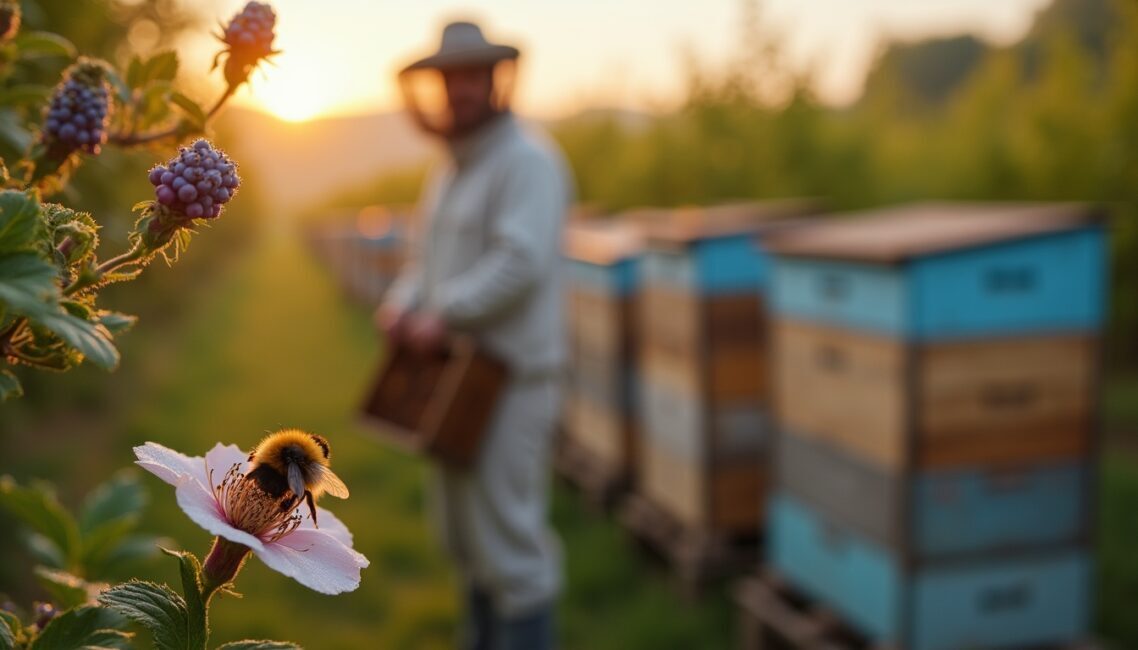
Honey bees are the workhorse crop pollinators for large fields with mass flowering. They provide high foraging rates, easy transport in hives, and colony-level pollination continuity. Use honey bees for almonds, canola, and many orchard crops where wide coverage is needed.
High colony mobility and hive rental options
Strong nectar and pollen collection over long distances
Consistent workforce during warm, sunny conditions
Requires disease and pest management (Varroa, Nosema)
Manage honey bees by placing hives at recommended densities, ensuring water availability, and monitoring hive health. Coordinate placement to minimize drift and maximize field visitation during peak bloom.
Bumble Bees: High-efficiency Pollinators for Specific Crops
Bumble bees pollinate well under cool, cloudy conditions and perform buzz pollination needed by crops like tomato and blueberry. Their individual foraging efficiency and ability to forage at low temperatures make them valuable for early spring or high-latitude operations.
Use commercial bumble bee colonies in greenhouses or adjacent to outdoor plots where their nest establishment and foraging behavior match crop timing. They complement honey bees by accessing different floral resources and improving pollination in marginal weather.
Monitor colony placement and lifespan; bumble colonies are seasonal and may require staggered releases or multiple colonies for full bloom coverage.
Comparing Honey and Bumble Bees for Economics
Cost-effectiveness depends on crop value, required pollination intensity, and logistics. Honey bees often cost less per hectare for mass-flowering crops, while bumble bees can yield higher per-visit efficiency for crops needing buzz pollination or in cool climates. Calculate expected yield gains against rental or purchase costs.
Consider long-term investments: maintaining on-farm honey bee colonies vs. purchasing bumble colonies as service units. Factor in disease management, labor, and transport to determine the most economical mix for a given crop.
Anúncios
Solitary and Mason Bees: Targeted Pollination Strategies
Mason Bees: Orchard Specialists
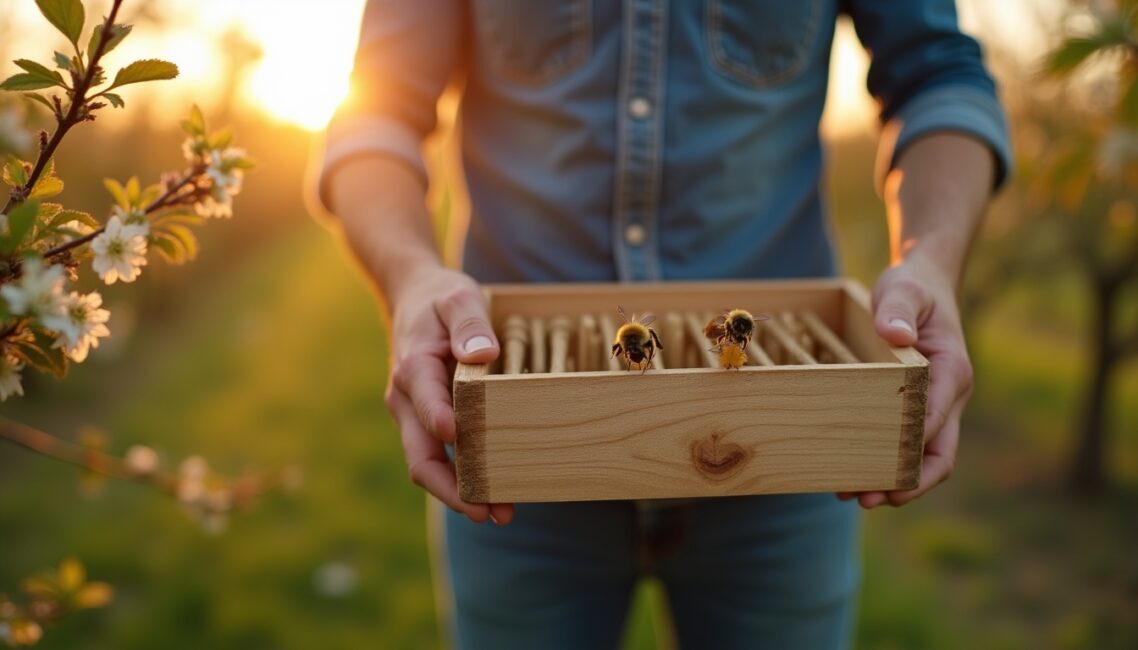
Mason bees (Osmia spp.) are highly efficient for early-spring orchard crops like apples, pears, and cherries. Females make many flower visits and deposit pollen effectively, often delivering higher fruit set per visit than honey bees. They nest in cavities, making trap-nesting a practical management option.
Provide nesting boxes and mud/soil for nest sealing, and time releases to coincide with bloom. Mason bees have short foraging ranges, so place nests within or on orchard edges to maximize visitation. They are low-maintenance once nests are established.
Protect nests from pesticides and predators; consider seasonal rotation or cleaning of nest tubes to limit parasite build-up and maintain high emergence rates for the next season.
Other Solitary Pollinators and Native Bees
A diverse assemblage of solitary bees, sweat bees, and small carpenter bees can deliver excellent pollination across many crops. Native bees often co-evolved with local crops and wild flora, providing resilience and extended bloom coverage when habitat is preserved.
Enhance populations by providing nesting substrates, maintaining undisturbed ground, and planting continuous forage strips. Reduced-tillage zones and floral diversity increase nesting opportunities and seasonal resource availability for solitary pollinators.
Monitoring and habitat management are the main investments; once established, native solitary pollinators can lower dependency on rented managed colonies while improving ecosystem services.
Implementation and Handling of Solitary Bees
Implementing solitary bees requires planning: prepare nesting blocks, choose placement protected from excessive wind or sun, and schedule provisioning for early-emerging species. Handle cocoons carefully when storing and releasing; chilling periods and timed warming simulate natural cycles.
Minimize transport stress and avoid exposure to pesticides before or during bloom. Train staff in nest maintenance, emergence timing, and parasite checks to sustain high nesting success and pollination reliability.
Local extension services and suppliers can provide species-specific rearing and deployment guidelines to optimize solitary bee contributions to crop pollination.
Seasonal Timing and Behavior: Aligning Pollinators with Bloom
Bloom Phenology and Pollinator Activity
Effective pollination depends on synchronizing pollinator activity with crop bloom phenology. Map flowering start, peak, and end dates and match them with peak foraging windows of chosen species: honey bees during warm days, bumble bees in cooler intervals, and mason bees in early spring peaks.
Consider diurnal patterns: some bees are most active mid-morning to early afternoon; weather fluctuations can shorten effective pollination hours. Use bloom forecasts and phenological models to schedule hive placement and colony releases precisely.
Staggered colony or nest releases can cover prolonged or asynchronous bloom periods and help maintain consistent visitation rates across the entire flowering window.
Handling and Transport Timing
Transport and placement timing matters: deploy honey bee hives 1–2 days before bloom to allow orientation flights; release commercial bumble colonies in greenhouses at start of bloom; time mason bee emergence to coincide with first full bloom. Avoid moving colonies during foraging peaks to reduce stress.
Use shaded, ventilated transport and limit travel distances when possible. For mason and solitary bees, coordinate chilling schedules and warming to ensure synchronous emergence, especially for managed cocoon shipments.
Monitor weather forecasts and adjust placement windows to avoid heavy rains or cold snaps that suppress foraging and reduce effective pollination days.
Phenological Monitoring and Adaptive Management
Active phenological monitoring—recording first bloom, 50% bloom, and petal fall—supports adaptive pollinator management. Adjust colony densities and supplemental releases based on observed visitation and early fruit set data to maximize pollination during critical periods.
Incorporate scouting for pest outbreaks that may reduce pollinator activity or force pesticide applications; plan buffer periods to avoid bloom-time treatments. Use decision thresholds to determine when to add colonies or nests.
Regularly review pollination outcomes and update management plans for the next season, using data on yield, fruit quality, and pollinator performance to refine species choices and timing.
Cost-effectiveness and Logistics: Balancing Expense and Yield
Comparative Cost Table
Pollinator
Typical cost/ha
Best crop matches
Honey bees
$50–300 (rental)
Almonds, canola, large orchards
Bumble bees
$100–400 (colony)
Tomatoes (greenhouse), berries
Mason/solitary bees
$20–150 (establishment)
Apples, cherries, small orchards
Calculating ROI of Pollinator Investments
Estimate ROI by comparing added revenue from increased fruit set and improved quality against pollinator costs (rental, purchase, labor, habitat). Include indirect benefits like improved seed set or reduced need for supplemental hand-pollination. Use per-hectare yield improvements and market prices to model returns.
Factor in multi-year habitat investments that reduce annual rental costs by increasing on-farm pollinator populations. Sensitivity analysis around bloom duration, weather risk, and pesticide exposure helps plan conservative budgets.
Choose a combination of managed and native pollinators to spread risk and improve resilience while optimizing upfront costs versus long-term gains in productivity and crop value.
Logistics, Legal and Biosecurity Considerations
Logistics include transport permits, hive placement permissions, and biosecurity measures to prevent disease spread (e.g., Varroa management in honey bee hives). Follow regional regulations for importing or releasing managed pollinators and source colonies from reputable suppliers.
Coordinate with neighboring farms to reduce drift and ensure equitable access to rental hives. Implement quarantine and health checks for introduced colonies, and clean nesting materials for solitary bees to limit parasite transmission.
Document all purchases, movements, and health treatments to support traceability and reduce regulatory risk while maintaining pollinator efficacy throughout bloom.
Habitat and Integrated Pollinator Management
Creating Supportive Habitats
Enhance crop pollinators by planting diverse forage strips, hedgerows, and cover crops that extend nectar and pollen resources before and after bloom. Nesting habitats—bare ground for ground-nesting bees and cavity blocks for mason bees—are critical for sustaining populations.
Design habitat elements to be close to crops to increase visitation. Avoid pesticide drift and schedule applications outside bloom windows. Habitat investments boost native pollinator abundance and reduce reliance on commercial inputs over time.
Monitor habitat use and adjust species composition seasonally to ensure continuous floral resources and nesting opportunities throughout pollinator active periods.
Integrated Pest and Pollinator Management
Integrate pest control with pollinator protection by selecting targeted pesticides, using application timing to avoid bloom, and employing non-chemical measures where possible. Buffer strips and communication with applicators reduce accidental exposure.
Record keeping of treatments and adherence to pre-harvest intervals limit pollinator mortality. Promote biological control agents and cultural methods that preserve beneficial insect communities alongside crop pollinators.
Train workers in safe handling of hives and nests during spray events and ensure water sources and shelter remain accessible to support pollinator resilience.
Monitoring and Adaptive Habitat Management
Implement routine monitoring of pollinator abundance and diversity with simple transect counts or trap-nesting checks. Use results to adapt floral mixes, nesting provisions, and landscape elements to local species and seasonal needs.
Combining monitoring data with yield and visitation metrics supports evidence-based adjustments to integrated pollinator management, improving service reliability and cost-effectiveness across seasons.
Collaborate with extension services, conservation programs, or agronomists to access technical support and funding opportunities for habitat enhancement projects.
Crop pollinators are a critical input that directly affects fruit set, quality, and marketable yield. Selecting the right mix of honey bees, bumble bees, mason bees, and solitary pollinators—timed to bloom phenology and supported by habitat—improves pollination efficiency and economic returns.
Implement monitoring, biosecurity, and integrated habitat strategies to sustain pollinator populations and reduce long-term costs. Choose species and stocking strategies based on crop needs, local climate, and budget, then test and adapt each season to maximize crop value.
FAQ
Which Pollinator is Best for Apples?
Apples benefit from early-season, efficient pollinators like mason bees and honey bees combined. Mason bees often increase fruit set per visit, while honey bees provide broad coverage. Use nest blocks near orchards and place honey bee hives at bloom to ensure overlap and improved yields.
How Many Honey Bee Hives Per Hectare Are Needed?
Recommended honey bee densities vary by crop: almonds often require 2–3 hives/ha, while less demanding crops may need fewer. Adjust based on wild pollinator presence, bloom intensity, and observed visitation. Field trials and local extension guidelines give precise recommendations.
Can Solitary Bees Replace Honey Bees for Large-scale Crops?
Solitary bees excel in orchards and small fields but typically have limited foraging ranges, making them less practical as sole pollinators for very large monocultures. Combining solitary bees with managed honey bees often provides the best coverage and efficiency for large-scale systems.
How to Protect Pollinators from Pesticides?
Minimize pesticide use during bloom, apply selective products when necessary, and spray in evenings or times of low pollinator activity. Create buffer zones and communicate with applicators to prevent drift. Habitat and integrated pest management reduce overall pesticide reliance.
What is the Cost-benefit of Installing Nesting Habitat?
Initial costs for nesting boxes and habitat planting are moderate, but benefits include increased native pollinators, reduced rental costs, and improved yield stability. Over several seasons, on-farm habitat investments often pay back through reduced pollination expenses and higher marketable yields.
Edvânia Almeida. Formada em Ciências Contábeis e Pós-graduada em Gestão Financeira: Auditoria e Controladoria pela FGV. Pequena pecuarista e apaixonada pelo Agronegócio e Gestão Estratégica.
Para fornecer as melhores experiências, usamos tecnologias como cookies para armazenar e/ou acessar informações do dispositivo. O consentimento para essas tecnologias nos permitirá processar dados como comportamento de navegação ou IDs exclusivos neste site. Não consentir ou retirar o consentimento pode afetar negativamente certos recursos e funções.
Funcional
Sempre ativo
O armazenamento ou acesso técnico é estritamente necessário para a finalidade legítima de permitir a utilização de um serviço específico explicitamente solicitado pelo assinante ou utilizador, ou com a finalidade exclusiva de efetuar a transmissão de uma comunicação através de uma rede de comunicações eletrónicas.
Preferências
O armazenamento ou acesso técnico é necessário para o propósito legítimo de armazenar preferências que não são solicitadas pelo assinante ou usuário.
Estatísticas
O armazenamento ou acesso técnico que é usado exclusivamente para fins estatísticos.O armazenamento técnico ou acesso que é usado exclusivamente para fins estatísticos anônimos. Sem uma intimação, conformidade voluntária por parte de seu provedor de serviços de Internet ou registros adicionais de terceiros, as informações armazenadas ou recuperadas apenas para esse fim geralmente não podem ser usadas para identificá-lo.
Marketing
O armazenamento ou acesso técnico é necessário para criar perfis de usuário para enviar publicidade ou para rastrear o usuário em um site ou em vários sites para fins de marketing semelhantes.
 Ir para o conteúdo