Understanding rental rates is essential for beekeepers, growers, and farm managers aiming to estimate pollination income per acre, manage costs, and negotiate fair contracts. Rental rates set the baseline for how much pollination services contribute to crop revenue and profitability.
Rental rates fluctuate by crop type, bloom duration, distance, and colony strength, so knowing drivers and formulas helps you forecast income and compare regional benchmarks. This article explains drivers, formulas to estimate income per acre, negotiation tips, and practical scenarios for orchards, berries, and field crops.
Read on for actionable models, regional benchmark rates, negotiation strategies, tables, and examples you can apply this season to improve returns from hive rentals and optimize pollination value.
Different crops demand different pollination intensity, which directly affects rental rates. Almonds, apples, blueberries, and vegetables each have unique pollination needs and economic values per acre that determine what growers will pay for hives.
When setting rental rates, consider crop value per acre, required colony density, and expected yield lift from pollination. Higher-value crops typically command higher per-hive rates because the incremental revenue per effective pollination is greater.
Estimating rental rates by crop helps producers allocate budget and prioritize which fields receive stronger colonies. Use crop-specific price multipliers to translate expected yield gains into per-acre income estimates tied to rental rates.
Determining Colony Density Per Acre
Colony density is a major driver of rental rates because it defines how many hives are needed for effective pollination. For instance, almonds often require 2–2.5 hives per acre, while many berries may need 1–2 hives per acre.
Adjust densities for field size, block layout, and overlapping bloom windows. Densities influence total rental cost per acre directly—multiply the per-hive rental rate by required hives to calculate cost, then subtract from gross pollination revenue.
Recording historical density-performance relationships on your farm improves future rental decisions. Use trial rows and yield mapping to refine hive numbers and justify rates requested or paid.
Anúncios
Crop Value and Return on Hive Investment
Combine expected yield increase from pollination with market price to compute marginal revenue per acre from hives. This calculation shows acceptable rental rates: renting hives should cost less than the incremental revenue they generate.
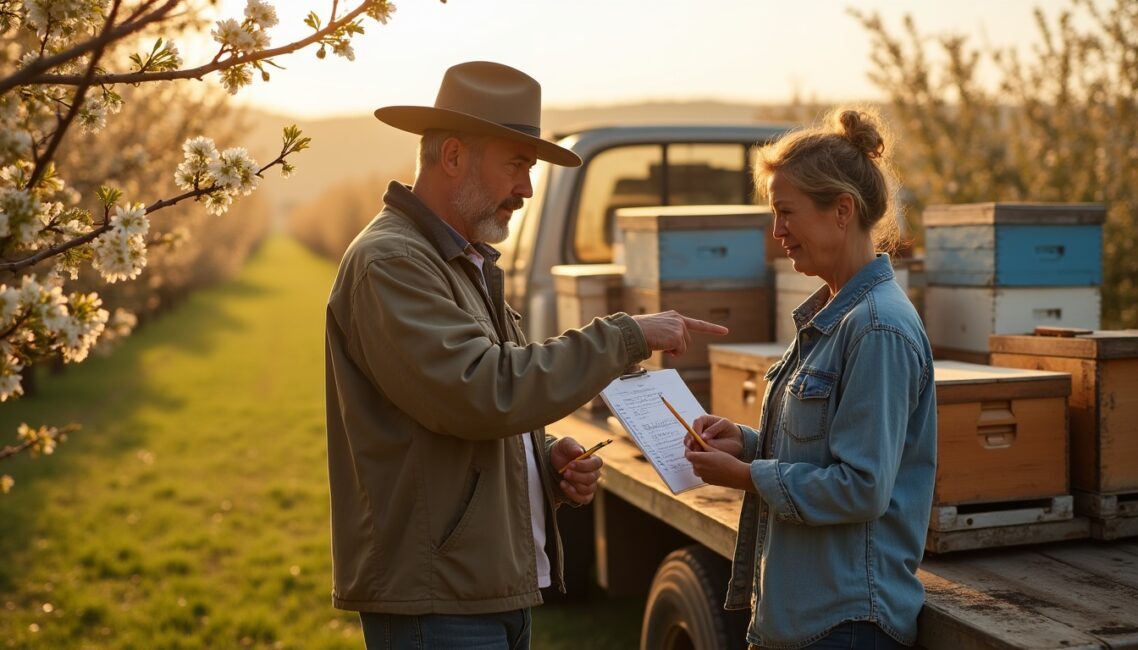
For example, if pollination adds $300 per acre and you need two hives, a rental rate up to $150 per hive per season may be defensible. Always account for additional costs like transport, hive placement, and health risks.
Benchmarking against regional averages helps validate your numbers and supports negotiations. Use conservative yield uplift estimates and factor disease or weather risk when assessing how much to spend on rental rates.
Anúncios
Bloom Duration and Timing Impacts on Rental Rates
Bloom Window Length and Pricing Adjustments
Short, intense bloom periods increase demand for hives and often raise rental rates because precise timing is critical for effective pollination. Conversely, extended blooms can allow hive sharing and lower per-hive rates.
During narrow windows, logistics complexity and risk premium rise; beekeepers may charge more for guaranteed arrival and optimal colony strength. Rental rates should reflect the value of timing certainty to growers.
Planning for bloom overlaps and contingency windows reduces last-minute premiums. Track historical bloom dates and negotiate fixed arrival windows with penalties to stabilize rental rates and service quality.
Staggered Rentals for Multi-bloom Crops
For crops with multiple bloom phases, staggered hive placements can lower peak demand and overall rental rates. Splitting the season into staged rentals lets growers match colonies to exact bloom periods and reduce idle hive days.
Beekeepers benefit from moving hives between regions as blooms shift, improving hive utilization. Rental rates for staged services should reflect relocation costs and handling, not just time on a single orchard.
Staggering requires coordination: contract timing, transport planning, and agreed colony strength standards. Well-planned staging often increases crop benefit while containing rental rates compared to single-block saturation.
Weather Variability and Rate Volatility
Adverse weather during bloom—cold snaps or rain—can reduce effective pollination and raise the perceived value of strong, resilient colonies, temporarily increasing rental rates. Historical weather risk should be part of pricing models.
Some growers include weather contingencies in contracts, adjusting payments if prescribed conditions prevent effective pollination. These clauses balance risk and keep rental rates fair under unexpected events.
Insuring against pollination failure or agreeing on partial credits for missed services can protect both parties. Incorporate probable weather scenarios into rental rate estimates to avoid surprise losses.
Distance, Logistics, and Transportation Effects on Rental Rates
Transport Costs and Distance Premiums
Distance from apiary to field affects rental rates through transport time, fuel, labor, and hive mortality risk. Longer hauls require higher rates or shared cost arrangements to cover these expenses.
When calculating rental rates, account for roundtrips, required permits, and staging locations. Near-site apiaries reduce costs and can lower per-hive rates compared to long-distance relocations.
Some regions use zone-based premiums: fixed surcharges per mile or flat fees beyond a radius. Clear transport clauses in contracts prevent disputes and ensure transport costs are transparently reflected in rental rates.
Handling, Set-up, and Placement Responsibilities
How hives are handled on arrival—placement, protection from spray, and spacing—affects both performance and rate. Beekeepers may charge more when growers demand specialized placement or additional protective measures.
Include responsibility assignments in the rental agreement: who sets up stands, provides water, or shields hives from pesticides. Clarifying these tasks avoids hidden costs and sudden rate hikes.
Well-documented handling practices reduce stress on colonies, improving pollination outcomes and making rental rates appear more justified to growers when correlated with increased yields.
Biosecurity and Movement Restrictions
Regional movement restrictions, disease checks, or required inspections increase administrative costs and influence rental rates. Compliance with health certifications or inspections should be costed into the rate structure.
Beekeepers servicing multiple regions may need to apply treatments or hold periods, increasing downtime and per-hive rates. Growers should ask for health documentation and may share costs for required measures.
Transparent policies on biosecurity avoid negotiation surprises. Factoring these requirements into rental rates ensures safe, legal movement of colonies while preserving long-term viability of services.
Anúncios
Colony Strength, Health, and Their Role in Pricing
Colony Strength Metrics and Pricing Tiers
Colony strength—measured by frames of bees, brood presence, and forager activity—directly affects pollination effectiveness and rental rates. Stronger colonies command higher fees due to better pollination returns.
Create tiered pricing: standard colonies for general crops and premium strong colonies for high-value or short-bloom crops. Define minimum strength criteria in contracts to avoid disputes and ensure predictable performance.
Document colony inspections and provide photographic evidence when required. Strength transparency supports higher rental rates and helps growers evaluate cost versus expected pollination benefit.
Health Status, Treatments, and Cost Implications
Colony health—varroa load, disease status, and queen condition—impacts reliability. Treatments, requeening, and veterinary costs raise operational expenses and should be included in rental rates or billed separately.
Growers may require proof of treatments or ask for disease-free certification; accommodating this adds administrative overhead. Beekeepers should price these services into rates or offer bundled options.
Investing in healthier hives yields better pollination and reduces long-term replacement costs. Transparent health-related charges make rental rates more acceptable when linked to improved crop outcomes.
Performance Guarantees and Rate Adjustments
Performance guarantees tie rental rates to measurable outcomes—colony strength at arrival, presence during bloom, or minimum visitation rates. Guarantees often carry higher rates or performance-based bonuses.
Include clear metrics and inspection windows in contracts so that penalties or bonuses are objective. This aligns incentives for beekeepers and growers around achieving optimal pollination, justifying premium rental rates.
Rate adjustments for underperforming colonies protect growers while providing beekeepers with a path to remedy and maintain reputation. Structured guarantees support predictable pricing and improved services.
Formulas and Models to Estimate Income Per Acre
Basic Income Per Acre Formula
Use a simple model: Income per acre = (Base crop value per acre × Expected yield uplift %) − (Hives per acre × rental rate per hive) − additional costs. This shows net benefit from renting hives at given rates.
For instance, if crop value is $3,000/acre and pollination adds 10% yield, incremental revenue is $300/acre. Subtract rental costs and transport to evaluate net return per acre under current rental rates.
Apply conservative uplift percentages and include contingency buffers. This basic formula helps growers decide the maximum acceptable rental rates aligned with farm profitability targets.
Advanced Model with Colony Strength and Bloom Weighting
An advanced formula weights hive contribution by colony strength and bloom timing: Income = CropValue × Uplift × BloomWeight − Σ(hives × rate × StrengthFactor) − logistics. StrengthFactor adjusts cost by colony quality.
BloomWeight captures how critical timing is; short windows increase weight. StrengthFactor >1 for premium colonies ensures rates reflect service quality. This model quantifies trade-offs between quantity and quality of hives.
Use historical yield maps and calibrated StrengthFactors to refine estimates. Advanced models improve rental rate negotiation by linking price to measured service value and expected revenue per acre.
Scenario Calculators for Orchards, Berries, and Field Crops
Create scenario calculators using inputs: crop value, expected uplift, hives per acre, rate/hive, transport costs, and colony strength. Run orchard, berry, and field crop scenarios to compare net income per acre under different rental rates.
Scenarios reveal breakeven rental rates and maximum acceptable prices. For orchards with high value per acre, acceptable rental rates per hive will be higher than for low-value field crops, reflecting differences in expected uplift.
Regularly update the calculator with regional benchmark rates and actual performance data to improve predictive power. Scenario modeling is a practical tool to set realistic rental rates and optimize pollination investment.
Scenario
Breakeven rate/hive ($)
High-value orchard
180–250
Berries
110–190
Field crops
70–120
Regional Benchmark Rental Rates and Negotiation Tips
Regional Benchmarks and Seasonal Trends
Benchmark rental rates vary by region due to crop mix, hive supply, and logistics. Consult local beekeeping associations and extension services for up-to-date benchmarks to compare your quotes against prevailing rental rates.
Seasonal trends can push rates up; high-demand years or hive shortages increase rental rates considerably. Use multi-year averages to avoid overpaying during spikes linked to temporary shortages.
Keeping records of past contracts and yields creates negotiating leverage. Growers who can reference local benchmarks and historical outcomes often secure more favorable rental rates.
Negotiation Tactics for Growers and Beekeepers
Request written colony strength guarantees and inspection windows
Propose staged placements to reduce peak demand premiums
Offer multi-year contracts for rate stability and supply assurance
Share transport costs or provide staging areas to lower charges
Include performance-based bonuses tied to measurable yield uplift
Negotiate rental rates by offering transparency on farm expectations and working with beekeepers on logistics. Multi-year or bundled deals can reduce per-season rental rates while providing beekeepers steady income.
Be open to cost-sharing for treatments or transport that drive up rental rates. Align incentives through performance clauses rather than ambiguous promises to keep relationships constructive and rates fair.
Contract Clauses to Protect Both Parties
Essential clauses include arrival and departure windows, minimum colony strength standards, biosecurity and pesticide notification, payment terms, and weather contingency adjustments. Clear terms prevent disputes over rental rates post-season.
Legal review of contracts ensures clauses are enforceable. Well-structured agreements reduce misunderstandings and make rental rates predictable, enabling better farm financial planning.
Practical Examples and Scenario Calculations
Orchard Example: Apples with Strong Colonies
Example: Apple block value $4,000/acre. Expected uplift from good pollination 8% = $320. Required hives 1.5/acre at a rental rate of $140/hive = $210 cost. Net pollination benefit ≈ $110/acre before logistics.
If growers pay a $50 transport surcharge, net falls to $60/acre. A stronger colony (StrengthFactor 1.2) might justify a $170/hive rate because higher pollination increases uplift; run the advanced model to confirm net benefit.
These calculations show how rental rates interact with colony strength and transport. Use local benchmarks to validate the $140–$170 range for apples this season and negotiate based on documented outcomes.
Berry Example: Blueberries with Short Bloom
Estimate crop value and expected uplift
Choose required hives per acre (1.5–2.0)
Account for short bloom premium on rental rates
Include staging and requeening costs if requested
Calculate net per-acre return and adjust hive count
For blueberries valued at $3,200/acre with 12% uplift ($384), at 1.5 hives/acre and $160/hive rental = $240 cost, net ≈ $144/acre. Short bloom windows often push rental rates higher; validate with regional data.
Negotiate arrival timing and possible performance bonuses. Consider sharing transport or offering on-farm staging to reduce rental rates while maintaining strong colony presence during the crucial short bloom.
Field Crop Example: Canola or Sunflower
Field crops typically have lower per-acre value and require fewer hives, so acceptable rental rates are lower. For canola valued at $800/acre with 6% uplift ($48), acceptable total rental cost must be well below that uplift to be profitable.
If required hives are 0.5–1.0/acre and rental rates are $80/hive, total cost may exceed benefit; growers should aim for lower rates or cooperative arrangements to keep pollination economically viable.
Pooling demand across neighboring farms or timing rentals to overlap with other nearby crops can bring down effective rental rates and make pollination investment worthwhile for lower-value field crops.
Risk Management, ROI, and Long-term Strategies
Risk Allocation Between Growers and Beekeepers
Risk-sharing mechanisms—such as partial refunds for missed bloom days, shared insurance, or performance-based payments—help balance uncertainties that affect rental rates. Clear allocation reduces conflict and stabilizes relationships.
Include terms for weather, pesticide incidents, and disease outbreaks. These events can materially alter expected returns and are best handled through pre-agreed adjustments to rental rates or credits.
Long-term partnerships with documented risk-sharing arrays can lead to lower average rental rates and improved hive availability, creating mutual benefits across seasons.
Track actual yield uplift attributable to pollination and compare against rental expenses to calculate ROI per acre. Use these insights to adjust future rental rates and determine ideal hive counts for each crop block.
Documented ROI strengthens negotiating positions for both sides: growers can justify payments based on measured revenue increases, while beekeepers can command higher rental rates backed by performance records.
Regularly revisiting ROI after each season ensures rental rates evolve with changing costs, crop values, and hive health trends rather than remaining static and misaligned.
Investing in Pollination Services and Diversification
Investing in on-farm pollinator habitat, water stations, and pesticide management reduces dependency on rented hives and can lower long-term rental rates. Diversifying income sources for beekeepers—honey, nucs, pollination—stabilizes local hive supply.
Growers who support beekeeper profitability through habitat or contracted multi-year rentals often secure better rates and service reliability. Community-scale approaches increase bargaining power and reduce per-acre rental rates.
Rental rates are a central factor in translating pollination services into income per acre; they reflect crop type, bloom timing, distance, and colony strength. Using formulas and scenario models helps growers and beekeepers set rates that align with expected yield uplift and transport or health-related costs.
By benchmarking regional rates, negotiating clear contracts, and tracking ROI, you can optimize rental rates this season to improve net income per acre. Start by running the basic and advanced calculators on your blocks and use documented results to negotiate fair, performance-linked rental rates.
Frequently Asked Questions
How Do I Calculate a Simple Rental Rate Threshold for My Crop?
Start by estimating crop value per acre and likely uplift from pollination, then multiply uplift by crop value to get incremental revenue. Subtract anticipated transport and handling costs. Divide remaining allowable cost by required hives per acre to find the breakeven rental rate per hive.
What Factors Justify Paying Higher Rental Rates to Beekeepers?
Higher rental rates can be justified by strong colony strength, tight bloom windows, long-distance transport, disease-free certifications, or performance guarantees. Premium services that demonstrably increase effective pollination and yield uplift warrant higher rental rates.
How Can I Reduce Rental Rates Without Compromising Pollination Quality?
Negotiate multi-year contracts, offer on-farm staging to cut transport costs, share risk via performance-based bonuses, and coordinate with neighboring growers to pool demand. Investing in habitat and clear pesticide plans can also attract better rates from beekeepers.
Where Can I Find Reliable Regional Benchmark Rental Rates?
Consult local beekeeping associations, cooperative extension services, and agricultural research institutions for regional benchmarks. These sources publish surveys and reports that reflect current rental rates and seasonal supply-demand conditions relevant to your area.
Should Rental Agreements Include Performance Clauses and Inspections?
Yes—clear performance clauses, arrival inspections, and colony strength minimums protect both sides. Define inspection windows, remedies for underperformance, and payment adjustments related to weather or pesticide incidents to keep rental rates fair and enforceable.
Edvânia Almeida. Formada em Ciências Contábeis e Pós-graduada em Gestão Financeira: Auditoria e Controladoria pela FGV. Pequena pecuarista e apaixonada pelo Agronegócio e Gestão Estratégica.
Para fornecer as melhores experiências, usamos tecnologias como cookies para armazenar e/ou acessar informações do dispositivo. O consentimento para essas tecnologias nos permitirá processar dados como comportamento de navegação ou IDs exclusivos neste site. Não consentir ou retirar o consentimento pode afetar negativamente certos recursos e funções.
Funcional
Sempre ativo
O armazenamento ou acesso técnico é estritamente necessário para a finalidade legítima de permitir a utilização de um serviço específico explicitamente solicitado pelo assinante ou utilizador, ou com a finalidade exclusiva de efetuar a transmissão de uma comunicação através de uma rede de comunicações eletrónicas.
Preferências
O armazenamento ou acesso técnico é necessário para o propósito legítimo de armazenar preferências que não são solicitadas pelo assinante ou usuário.
Estatísticas
O armazenamento ou acesso técnico que é usado exclusivamente para fins estatísticos.O armazenamento técnico ou acesso que é usado exclusivamente para fins estatísticos anônimos. Sem uma intimação, conformidade voluntária por parte de seu provedor de serviços de Internet ou registros adicionais de terceiros, as informações armazenadas ou recuperadas apenas para esse fim geralmente não podem ser usadas para identificá-lo.
Marketing
O armazenamento ou acesso técnico é necessário para criar perfis de usuário para enviar publicidade ou para rastrear o usuário em um site ou em vários sites para fins de marketing semelhantes.
 Ir para o conteúdo