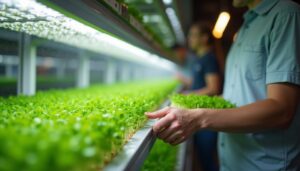
Natural fertilizer plays a central role in sustainable farming, gardening, and livestock systems by improving soil health and crop resilience. Understanding adubo natural is essential for farmers and gardeners who seek to reduce chemical inputs while maintaining yields.
Using organic soil amendments can address nutrient cycling, microbial activity, and long-term fertility. This article examines methods, benefits, limitations, and practical steps to adopt adubo natural on crops, offering evidence-based guidance for producers and hobbyists.
Compost is an organic amendment derived from decomposed plant residues and manure that supplies macronutrients and micronutrients. Its slow-release nitrogen, phosphorus, and potassium reduce leaching risks and sustain plant uptake over seasons. By improving cation exchange capacity and buffering pH, compost enhances soil structure and water retention, benefiting root development and microbial communities crucial to nutrient cycling.
Producers monitor carbon-to-nitrogen ratio during composting to optimize mineralization rates. Well-matured compost limits phytotoxic compounds and weed seeds, making it safe for seedbeds and transplanting. Integrating compost with cover crops and crop rotation multiplies benefits for soil organic matter accumulation and long-term fertility.
Application rates typically depend on soil tests and crop demand; for horticultural crops, top-dressing or incorporation rates range from moderate to high depending on organic matter targets. Regular additions over consecutive seasons build sustainable nutrient reserves that complement targeted mineral supplements when needed.
Anúncios
Manure-based Adubo Natural and Practical Use
Types of Manure and Nutrient Profiles
Animal manures—cattle, poultry, pig, and horse—vary widely in nitrogen, phosphorus, and potassium content and moisture. Fresh manure provides quick nutrient pulses but can be high in salts and pathogens; composted manure stabilizes nutrients and reduces risks. Understanding manure nutrient profiles helps match application timing to crop uptake and avoid environmental losses.
Cattle manure: moderate N, good organic matter
Poultry manure: high N and P, rapid mineralization
Pig slurry: concentrated nutrients, use with care
Horse manure: high fiber, useful for structure
Best practices include testing nutrient content, applying based on crop nitrogen need, and observing withholding periods to prevent contamination. Buffer strips and incorporation reduce runoff risks, while storage and composting are essential for regulatory compliance and pathogen control.
Manure Type
Typical N-P-K
Best Use
Cattle
0.5-0.8-0.4
Soil conditioner, broad application
Poultry
2.5-1.5-1.0
High-demand crops, diluted/composted
Green Manures and Cover Crops as Natural Fertilizers
Choosing Cover Crops for Nitrogen Fixation
Leguminous cover crops—clover, vetch, and peas—fix atmospheric nitrogen through symbiosis, enriching soil nitrogen for the following cash crop. Non-legume covers like rye and buckwheat improve structure, scavenge residual nutrients, and suppress weeds. Selecting species depends on climate, growing window, and specific soil health goals to maximize biomass and nutrient contribution.
Termination timing affects how much nitrogen is released and when available to the crop. Incorporation or roll-crimping strategies influence decomposition rates and soil contact, while integrating cover crops into rotations reduces fertilizer demand and improves long-term soil organic carbon.
Anúncios
Anúncios
Mineral Organics and Rock Powders as Adubo Natural Alternatives
Rock Phosphate, Basalt, and Micronutrient Sources
Rock powders supply phosphorus, calcium, and trace elements slowly, acting as long-term mineral amendments. Rock phosphate releases P gradually in acidic soils, while basalt rock dust contributes silicon, magnesium, and trace minerals that support plant defenses. These mineral organics are valuable in regenerative systems focused on building soil mineral stocks.
Application requires matching particle size and soil chemistry; finer grinding accelerates weathering and nutrient availability. Combining rock minerals with biological inoculants and organic matter can enhance solubilization and plant uptake, supporting balanced nutrition without synthetic fertilizers.
Use caution with heavy metals and source quality; choose certified suppliers and perform soil tests. Over years, mineral amendments can rebalance deficient soils and reduce dependence on soluble inorganic fertilizers.
Biofertilizers, Microbial Inoculants, and Natural Extracts
Beneficial Microbes and Biological Stimulation
Biofertilizers include rhizobia, mycorrhizal fungi, and plant growth-promoting rhizobacteria that improve nutrient acquisition and stress tolerance. These biologicals facilitate phosphorus solubilization, nitrogen fixation, and enhanced root growth. Inoculants are often used with seeds or as soil drenches to establish beneficial populations in the rhizosphere.
Rhizobia for legumes
Mycorrhizae for P uptake
Azotobacter for free-living N fixation
Integrating biofertilizers with organic matter and reduced synthetic inputs fosters microbial diversity and resilience. Proper storage, timing, and application methods are crucial for inoculant viability and performance in field conditions.
Product
Primary Benefit
Mycorrhizal inoculant
Improves P uptake
Compost tea
Microbial stimulation, foliar support
Practical Systems: Integrating Adubo Natural on Farms
Combining Strategies for Balanced Fertility
Integrated natural fertility systems combine compost, manure, cover crops, rock minerals, and biofertilizers to meet crop needs without relying on synthetic NPK. This systems approach uses soil testing, crop rotation, and timing to align nutrient release with crop demand. Adaptive management and record-keeping help fine-tune inputs seasonally for optimal yields and minimized environmental impact.
Key elements include targeted organic applications, erosion control, and diversification to promote soil biology. Farmers often use small amounts of mineral supplements or concentrated organic fertilizers to address short-term deficits while building long-term soil organic matter.
Monitoring yields and plant tissue tests guide adjustments. Economics matter: costs for labor, material, and machinery are balanced against reduced fertilizer purchases and potential premium markets for sustainably produced crops.
Challenges, Limitations, and Environmental Considerations
Yield, Scalability, and Nutrient Balance Concerns
Relying solely on adubo natural can present challenges at scale, including meeting high immediate nutrient demands and ensuring consistent nutrient balance. Organic sources are often bulkier and have variable nutrient content, requiring logistics for transport, storage, and application. Without careful management, there is risk of nutrient imbalances, salt accumulation, or pathogen transfer from raw manures.
Environmental benefits include reduced synthetic runoff and enhanced carbon sequestration, but improper handling can still pollute waterways. Regulatory frameworks and best practices—manure management plans, buffer zones, and composting standards—help mitigate risks while allowing ecological benefits to accrue over time.
Farmers should combine soil testing, targeted amendments, and complementary practices like precision placement and timing to make adubo natural viable at larger scales. Transition pathways often mix organic and minimal mineral inputs while rebuilding soil health.
Conclusion
Adopting adubo natural is feasible and beneficial for soil health, biodiversity, and long-term productivity when integrated thoughtfully. Compost, manures, cover crops, rock minerals, and biologicals each play a role in replacing or reducing synthetic fertilizers while improving resilience and nutrient cycling.
Start with soil testing, plan rotations and amendments, and monitor outcomes to scale practices effectively. Embrace incremental changes and record results—this approach helps farms transition to sustainable, high-performing systems using natural fertilizer. Consider consulting extension services and research institutions for guidance.
FAQ
Can Crops Get All Needed Nutrients from Natural Fertilizers Alone?
Many crops can obtain essential nutrients from well-managed adubo natural systems over time, especially when soil organic matter is built and rotations are optimized. However, initial soil deficits or high-yield goals may require supplemental mineral sources or targeted organic concentrates. Regular soil and tissue testing guide whether adjustments are needed to meet crop demand while avoiding imbalances or short-term yield losses.
How Do I Calculate Application Rates for Compost and Manure?
Calculate compost and manure application rates based on soil test results, crop nutrient requirements, and the nutrient content of the organic material. Convert nutrient concentrations into mass per hectare to match crop N-P-K needs, accounting for mineralization rates and timing. For practical planning, consult extension guidelines, use calculators from agricultural institutions, and adjust based on observed crop responses.
Are There Risks of Pathogens or Weeds with Natural Fertilizers?
Raw manures and immature compost can carry pathogens and weed seeds; proper composting at thermophilic temperatures and adequate curing reduce these risks. Implementing withholding periods before harvest, testing compost maturity, and using certified materials minimize contamination. Good storage and handling practices further protect produce safety and farm biosecurity when using adubo natural.
What Role Do Cover Crops Play in Natural Fertility Systems?
Cover crops contribute biomass, fix nitrogen (if legumes), scavenge residual nutrients, suppress weeds, and improve soil structure. They serve as a renewable source of organic matter and can be terminated to release nutrients for the following crop. Strategic selection and timing of cover crops are essential to align nutrient release and maximize benefits within adubo natural strategies.
Where Can I Find Reliable Guidance and Research on Natural Fertilizers?
Reliable information is available from agricultural extension services, universities, and international organizations that publish research on organic amendments, soil health, and sustainable practices. Consult local extension offices for region-specific recommendations and peer-reviewed studies to design adubo natural programs suited to your climate, soil, and cropping system.
Edvânia Almeida. Formada em Ciências Contábeis e Pós-graduada em Gestão Financeira: Auditoria e Controladoria pela FGV. Pequena pecuarista e apaixonada pelo Agronegócio e Gestão Estratégica.
Para fornecer as melhores experiências, usamos tecnologias como cookies para armazenar e/ou acessar informações do dispositivo. O consentimento para essas tecnologias nos permitirá processar dados como comportamento de navegação ou IDs exclusivos neste site. Não consentir ou retirar o consentimento pode afetar negativamente certos recursos e funções.
Funcional
Sempre ativo
O armazenamento ou acesso técnico é estritamente necessário para a finalidade legítima de permitir a utilização de um serviço específico explicitamente solicitado pelo assinante ou utilizador, ou com a finalidade exclusiva de efetuar a transmissão de uma comunicação através de uma rede de comunicações eletrónicas.
Preferências
O armazenamento ou acesso técnico é necessário para o propósito legítimo de armazenar preferências que não são solicitadas pelo assinante ou usuário.
Estatísticas
O armazenamento ou acesso técnico que é usado exclusivamente para fins estatísticos.O armazenamento técnico ou acesso que é usado exclusivamente para fins estatísticos anônimos. Sem uma intimação, conformidade voluntária por parte de seu provedor de serviços de Internet ou registros adicionais de terceiros, as informações armazenadas ou recuperadas apenas para esse fim geralmente não podem ser usadas para identificá-lo.
Marketing
O armazenamento ou acesso técnico é necessário para criar perfis de usuário para enviar publicidade ou para rastrear o usuário em um site ou em vários sites para fins de marketing semelhantes.
 Ir para o conteúdo