Vertical farming setup costs are a critical first step for anyone planning modern indoor agriculture, defining initial investment and operational scalability. Understanding setup costs matters because it frames equipment budgets, lighting choices, and irrigation systems needed to produce consistent yields and forecast profitability.
This article breaks down initial equipment, lighting, racks, irrigation, nutrients, seeds, and utility estimates so beginners can compare budget vs. premium scenarios, estimate payback timelines, and learn practical ways to lower upfront investment while keeping yields. Read on for a structured, actionable plan to start and scale a vertical farm.
Core capital expenditures determine the minimum capital required to launch a vertical farm, and they typically include LED lighting, racks, HVAC, irrigation hardware, and control systems. These items set the baseline for scalability and affect both initial cash outlay and long-term operating expense projections. Assess equipment life-cycle, warranty coverage, and modularity—these factors influence replacement schedules and effective per-year depreciation that will feed into overall financial modeling.
When preparing a budget, separate fixed assets from consumables: racks, lighting fixtures, and environmental control units count as fixed assets; seeds, nutrients, and growing media are recurring. This segregation helps prioritize purchases when balancing budget vs. premium scenarios and when planning phased deployments to reduce upfront setup costs.
Estimating realistic lead times and installation labor costs is also essential: shipping, assembly, electrical certification, and possible retrofitting of a leased space all add to initial setup costs. Include a contingency (typically 10–20%) for unforeseen expenses to avoid cash flow pressure during the first production cycles.
Variable Operational Expenditures
Variable operational expenditures are recurring costs that scale with production: electricity for lights and HVAC, nutrient solutions, seed stock turnover, labor, and routine maintenance. These expenses impact cash flow and are critical to model when calculating payback timelines and per-unit production costs. Forecast electricity use by mapping lighting schedules and HVAC runtime against local utility rates.
Labor allocations—seeding, harvest, packing, and system monitoring—significantly affect monthly burn rates. Automation reduces some labor costs but increases initial setup costs. Consider whether to invest in labor-saving automation or maintain manual processes at first to control capital intensity and initial setup costs.
Consumables should be tracked per crop cycle: nutrient mixes, pH buffers, growing media, and packaging. Monitoring yields and waste across early cycles refines variable cost estimates and helps you optimize inputs to lower cost-per-kg while maintaining quality and output consistency.
Financing and Amortization Strategies
Financing choices shape effective setup costs over time: cash purchase, equipment leasing, or loans will produce different amortization schedules and interest obligations. Consider lease-to-own and vendor financing to preserve working capital while acquiring higher-quality equipment that reduces operating expenses. Tax incentives or accelerated depreciation may improve early-year cash flows.
Build a five-year amortization and cash-flow model that includes depreciation, interest, and expected equipment replacement. This model helps calculate realistic payback timelines and return on investment for both budget and premium configurations. Always stress-test scenarios against lower-than-expected yields or utility price increases to gauge resilience of projected payback.
Grant programs, agricultural subsidies, and local incentives can materially reduce setup costs. Research programs from agricultural extension services and industry groups; even small reimbursements or rebates for energy-efficient lighting can meaningfully shorten payback periods when included in financial planning.
Anúncios
Equipment Setup Costs Breakdown
Essential Hardware and Rack Systems
Racks and structural systems are the backbone of vertical farms and determine usable grow area per square foot—key to spreading setup costs across more production. Budget racks vary from simple modular shelving to fully welded multi-tier systems with integrated trays and cable management. Higher density racks increase yield per footprint but come at higher upfront setup costs due to stronger materials and custom features.
Consider adjustable racks that allow different crop heights to maximize flexibility across seasons. Evaluate load capacity, corrosion resistance, and compatibility with irrigation trays. Cheaper racks may require more frequent replacement, increasing long-term effective setup costs, while premium racks improve longevity and reduce downtime.
Installation labor and anchoring to floors or walls can add to the initial outlay—include electrician time for integrated systems and ensure compliance with building codes. For small-scale pilots, consider second-hand or refurbished rack systems to reduce capital expenditure while preserving functionality.
Climate Control, HVAC and Air Handling
Climate control systems (HVAC, dehumidifiers, and fans) represent a substantial share of setup costs because they maintain optimal temperature and humidity for plant health. Under-sizing HVAC units can reduce initial outlay but raises risk of crop loss during heat or humidity events; oversized systems waste energy. Balance initial spending against energy efficiency to lower lifetime operating costs.
Energy-efficient heat recovery, zoning, and proper insulation reduce long-term utility bills even if they increase upfront setup costs. Invest in variable-speed fans and smart thermostats to fine-tune microclimates by rack zone. Include filter replacement schedules and preventative maintenance in your variable operational expenditure planning.
Design HVAC capacity based on peak loads, accounting for lighting heat output and external weather extremes. Consulting with an HVAC engineer experienced in grow environments can avoid costly retrofits and ensure initial setup costs are optimized for performance and energy consumption.
Automated controllers, environmental sensors (CO2, temperature, humidity, PAR), and monitoring software enable consistent production and reduce labor-related operating costs. Basic sensor kits reduce risk of crop failure at modest additional setup costs, while premium control systems enable remote management, data logging, and advanced automation that improve yield consistency.
Invest in scalable control platforms that can integrate lighting, irrigation scheduling, and alerts. Modular systems allow phased spending—start with essential sensors and add advanced analytics later as revenue grows. This approach spreads setup costs across time while delivering immediate benefits.
Ensure sensor calibration and cybersecurity practices are part of initial commissioning. Proper commissioning avoids erroneous data and wasted inputs, protecting yields and keeping variable operational costs predictable as you refine your production protocols.
Lighting and Energy Setup Costs
LED Types and Lighting Layout
Lighting is a top contributor to setup costs and operating expenses. Choose LED fixtures tuned for plant spectra to maximize photosynthetic efficiency and reduce electric draw. Budget LEDs offer lower upfront setup costs but often lower photon efficacy and shorter lifespans than premium horticultural LEDs, increasing lifecycle costs.
Design lighting layouts to minimize shading and ensure uniform PPFD across canopy layers. Overlighting wastes energy; underlighting reduces yield. Use photometric planning tools or consult lighting vendors to size fixtures and calculate expected kWh consumption, which feeds directly into utility estimates and payback calculations.
Consider dimmable fixtures and programmable light recipes to fine-tune growth stages, improving resource use efficiency. Investing slightly more initially in high-efficacy fixtures can reduce long-term electricity bills and shorten total payback on setup costs through improved energy performance.
Estimating Energy Consumption and Utility Costs
Component
Estimated kWh/month
Notes
Lighting (per 100 m²)
3,000–6,000 kWh
Depends on intensity and photoperiod
HVAC & Dehumidification
2,000–5,000 kWh
Varies with climate and insulation
Pumps & Controls
200–800 kWh
Low relative to lighting/HVAC
Energy Efficiency and Incentives
Energy efficiency measures—high-efficacy LEDs, heat recovery, and insulation—can reduce ongoing utility costs, slightly raising initial setup costs but improving long-term margins. Research local utility rebates for energy-efficient lighting and equipment; these can significantly offset installation expenses and shorten payback periods. Links to potential resources: U.S. Department of Energy.
Solar arrays and demand-side management may be viable in some regions to hedge electricity price volatility. While solar increases capital outlay, paired storage or time-of-use optimization can reduce peak charges and stabilize predictable operating expenses—important for projecting accurate setup costs and financial returns.
Track energy use closely from day one using submeters to identify inefficiencies. Many farms lower energy intensity per unit of production substantially within the first year by tuning systems, which reduces realized setup costs when amortized over increased yields.
Anúncios
Water, Irrigation and Nutrient Setup Costs
Irrigation Systems and Distribution
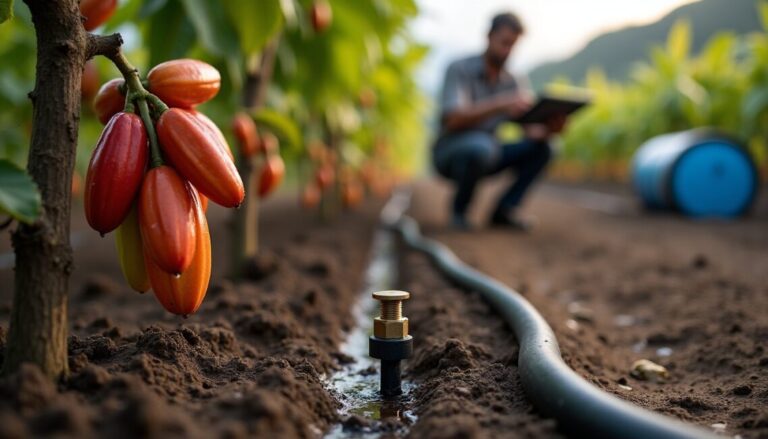
Irrigation infrastructure—pumps, piping, emitters, and distribution manifolds—differs by method: NFT, ebb-and-flow, or drip-on-tray systems have variable setup costs and maintenance profiles. NFT systems can be more equipment-intensive but efficient in water reuse, while ebb-and-flow systems may simplify installation at modest added setup costs.
Include water treatment components (UV, filtration) if municipal quality is inconsistent. Water recycling and filtration reduce long-term consumable costs and conserve resources, often justifying moderate increases in initial setup costs with substantial operational savings and resilience gains.
Design redundancy for pumps and critical circuits to avoid crop losses from single points of failure. Redundancy raises initial spending but reduces risk and potential revenue loss—important for financial models that project payback timelines under real-world operational risk.
Nutrient Delivery and Monitoring
Automated dosing systems and EC/pH monitors streamline nutrient delivery and reduce labor time, affecting both setup costs and operational consistency. Manual dosing reduces initial capital but increases variability and labor costs; automated mixers raise setup costs yet typically improve yield predictability and decrease nutrient waste.
Plan nutrient inventory management: stock size, shelf life, and storage requirements. Bulk purchasing reduces per-cycle costs but increases initial working capital needs. Balance procurement to maintain cash flow while ensuring consistent feedstock for stable crop performance and accurate cost-per-cycle calculations.
Regularly log nutrient usage and plant response to refine feed programs. Accurate tracking reduces input waste and narrows variability in yield—both key to improving payback timelines relative to your initial setup costs assumptions.
Water Efficiency and Regulatory Considerations
Water efficiency lowers operating costs and sometimes influences permitting or incentive eligibility. Closed-loop systems and drip irrigation reduce total water demand and wastewater discharge, though they can add upfront setup costs for pumps and filtration. Consider life-cycle water savings when comparing budget vs. premium options for irrigation equipment.
Check local regulations on water discharge and nutrient runoff. Compliance may require investment in treatment solutions, so factor potential permitting costs and monitoring obligations into initial setup costs and contingency planning. Noncompliance risks fines and operational disruption.
Documented water-use efficiency also supports marketing claims and sustainability reporting, which can unlock premium pricing or grant opportunities that effectively reduce net setup costs over time.
Seeds, Substrates and Consumables Costs
Seed Selection and Genetic Choices
Choose seed varieties optimized for indoor, high-density production
Prefer certified seeds for germination reliability and disease resistance
Test small batches before scaling to validate yield and market acceptance
Balance seed cost against cycle time and market price per unit
Seed selection directly affects yields per square meter and crop cycle length, influencing both revenue and effective setup costs per production unit. Specialty varieties may command higher market prices but could have longer growth cycles or require more precise environmental control, impacting operational costs. Run small trials to confirm performance in your specific environment.
Bulk purchasing lowers per-seed cost but increases upfront working capital. Consider staggered procurement or supplier terms to balance cash flow. Maintain relationships with reliable seed suppliers and test new lots for germination rates to avoid unexpected yield losses that would inflate realized setup costs.
Growing Media and Substrate Choices
Growing media—rockwool, coco coir, or soil substitutes—vary in cost, water retention, and ease of handling. Hydroponic-focused media may require less labor and enable cleaner operations, while soil-like substrates can be cheaper but bulkier. Consider media cost per cycle and the required disposal or recycling costs when calculating setup costs and recurring overhead.
Reusable media systems (e.g., NFT with inert supports) reduce waste and lower recurring costs at the expense of slightly higher initial setup expenses for durable trays and cleaning systems. Factor in waste disposal regulations and associated fees when choosing substrates to avoid hidden operational costs.
Compatibility between substrate and irrigation/nutrient strategies is crucial—mismatches can increase nutrient waste and reduce yields, inflating both variable and effective setup costs. Select media that work well with your chosen delivery method and crops.
Consumables Budgeting and Inventory
Plan consumables—nutrients, pH buffers, trays, labels, and packaging—by cycle and projected sales volume. Accurate forecasting avoids stockouts that interrupt production and prevents overstocking that ties up capital. Include storage and safety equipment costs in setup costs when handling concentrated chemicals or large inventory quantities.
Negotiate supplier terms and consider pooled purchasing with other growers to reduce per-unit prices. Track cost-per-cycle metrics to identify high-cost consumables and opportunities for substitution or efficiency improvements that lower the realized burden of setup costs on margins.
Introduce inventory management systems early; even simple spreadsheets with reorder points prevent production interruptions. Well-managed consumables reduce emergency purchasing at premium prices and help stabilize operational expenditures.
Consider modular scaling to start budget-friendly and upgrade selectively to reduce initial exposure
Factor in warranties, service agreements, and expected lifetime when comparing total cost of ownership
Choosing between budget and premium configurations involves evaluating a trade-off: premium equipment typically lowers operating expenses and improves yield consistency, shortening payback timelines, while budget builds reduce initial exposure but may require higher ongoing spend. Use comparative TCO (total cost of ownership) estimates to quantify these trade-offs across a 3–5 year horizon and guide decision-making.
Run sensitivity analyses on yield, electricity price, and labor to understand how each scenario behaves under adverse conditions. This quantitative approach clarifies which components are worth investing in early to protect margins and accelerate the breakeven point.
Payback Timelines and Sensitivity Analysis
Scenario
Estimated Payback (years)
Budget
3–5 years
Mid-tier
2–4 years
Premium
1.5–3 years
Payback timelines vary by market price, yield per area, and operating efficiency. Sensitivity analysis models show how small changes in yield or energy costs affect the time to breakeven. For instance, a 10% increase in electricity may extend payback by several months, while a 10% improvement in yield can accelerate recovery notably, validating investments in efficiency-boosting equipment within setup costs.
Include realistic ramp-up periods for production when modeling payback—initial cycles often yield below steady-state results due to learning curves. Conservative modeling that includes these early inefficiencies helps avoid overstating performance and underestimating the effective impact of setup costs on cash flow.
Strategies to Reduce Initial Setup Costs
Lowering upfront setup costs while preserving yields is possible through phased deployment, leasing equipment, buying refurbished fixtures, and prioritizing components that affect yield most (lighting and racks). Consider cloud-based control software instead of on-premise systems to reduce initial IT spending, and opt for manual processes initially where labor is affordable.
Partner with local universities, apply for grants, or pursue pilot programs with suppliers to obtain discounted equipment or testing support. Vendor partnerships sometimes include trial periods or performance guarantees that reduce perceived setup costs and risk when entering the market.
Outsource non-core functions like packing or distribution at first to avoid capital-intensive investments in post-harvest infrastructure. This allows you to direct available capital toward crop-facing equipment that directly improves yield and shortens payback timelines on your setup costs.
Operations, Labor and Scaling Costs
Labor Planning and Operational Workflows
Labor is a recurring cost that scales with production complexity. Map workflows—seeding, transplanting, monitoring, harvesting, and packing—and estimate time per activity. Automation reduces labor per unit but increases initial setup costs. Balance automation investments against local labor rates and expected throughput to find the optimal labor/equipment mix for your operation.
Invest in staff training to reduce early-cycle errors that inflate waste and decrease effective yields. Cross-training creates flexibility during seasonal spikes and reduces labor dependency on highly specialized roles, stabilizing operational costs and improving resilience of payback projections tied to setup costs.
Consider remote monitoring and alerts to reduce night-time staffing needs. Remote management can lower labor costs but depends on reliable sensors and communications—elements that should be included in setup costs planning and maintenance budgets.
Scale via modular additions: add racks, lights, or a new grow room as cash flow allows. This incremental approach reduces initial setup costs and helps validate market demand before committing to full-scale capital deployment. Phased scaling preserves working capital and allows learning from early cycles to inform later investments.
Consider contract growing or co-packing partnerships to expand sales volume before scaling physical capacity. This approach separates revenue growth from immediate capital outlay, effectively stretching the impact of initial setup costs while building market presence and cash flow.
Track unit economics at each scale step to ensure that marginal additions maintain or improve overall profitability. Use per-rack or per-square-meter ROI metrics to determine when to accelerate capital deployment versus optimizing existing capacity.
Maintenance, Warranties and Lifecycle Costs
Factor maintenance agreements and expected replacement cycles into setup costs. Warranties and service contracts reduce operational risk but add to upfront or annual expenses. Balance third-party maintenance versus in-house capabilities based on labor costs and technical complexity of installed equipment to optimize long-run total cost of ownership.
Schedule preventive maintenance to reduce unplanned downtime and extend equipment life. Regular calibration of sensors, timely cleaning of HVAC and filters, and inspection of irrigation components prevent yield losses that would otherwise increase effective setup costs through production interruptions.
Maintain a capital replacement reserve in your financial model to smooth the future hit when major components reach end-of-life. This reserve makes payback assessments realistic and avoids deferred maintenance that can degrade yields and erode margins.
Conclusion
Estimating setup costs for a vertical farming operation requires a balanced look at capital expenditures, recurring operational costs, and expected yields. By separating fixed assets from consumables, modeling financing and amortization, and running sensitivity analyses, beginners can create realistic payback timelines and make informed choices between budget and premium configurations.
Focus initial spending on components that most influence yield—lighting, racks, and climate control—while using phased scaling and vendor partnerships to lower upfront exposure to setup costs. Start small, measure rigorously, and iterate to improve margins; then scale with confidence.
FAQ
How Much Do Initial Setup Costs Typically Range for a Small Vertical Farm?
Initial setup costs for a small vertical farm vary widely: a basic pilot in a garage or small warehouse may start around $10,000–$50,000, while a professionally equipped 100–200 m² facility can reach $150,000–$500,000 depending on lighting, HVAC, and automation choices. Regional costs and permitting requirements also affect totals.
What is the Biggest Ongoing Expense After Setup Costs?
Electricity—primarily for lighting and climate control—is usually the largest ongoing expense. Energy-efficient LEDs and optimized HVAC systems reduce this burden. Labor and nutrient consumables are other significant recurring costs that impact margins and payback timelines.
Can I Start with Second-hand Equipment to Lower Setup Costs?
Yes, purchasing refurbished racks, fixtures, or pumps can reduce upfront spending. Verify warranties and condition, and plan for potential higher maintenance. Refurbished gear is a common strategy to lower initial setup costs while validating market demand before scaling.
How Do I Calculate a Reliable Payback Timeline Based on Setup Costs?
Calculate payback by projecting revenues per cycle, subtracting recurring operating costs (energy, labor, nutrients), and dividing the net annual profit into the total initial setup costs. Run sensitivity analyses for yield, energy price, and market price to generate conservative and optimistic timelines.
Are There Grants or Incentives to Reduce Setup Costs?
Yes, some regions offer grants, energy rebates, and agricultural incentives that offset initial setup costs, especially for energy-efficient equipment. Check local agricultural extension services and utility programs for eligibility and application timelines to maximize available support.
Edvânia Almeida. Formada em Ciências Contábeis e Pós-graduada em Gestão Financeira: Auditoria e Controladoria pela FGV. Pequena pecuarista e apaixonada pelo Agronegócio e Gestão Estratégica.
Para fornecer as melhores experiências, usamos tecnologias como cookies para armazenar e/ou acessar informações do dispositivo. O consentimento para essas tecnologias nos permitirá processar dados como comportamento de navegação ou IDs exclusivos neste site. Não consentir ou retirar o consentimento pode afetar negativamente certos recursos e funções.
Funcional
Sempre ativo
O armazenamento ou acesso técnico é estritamente necessário para a finalidade legítima de permitir a utilização de um serviço específico explicitamente solicitado pelo assinante ou utilizador, ou com a finalidade exclusiva de efetuar a transmissão de uma comunicação através de uma rede de comunicações eletrónicas.
Preferências
O armazenamento ou acesso técnico é necessário para o propósito legítimo de armazenar preferências que não são solicitadas pelo assinante ou usuário.
Estatísticas
O armazenamento ou acesso técnico que é usado exclusivamente para fins estatísticos.O armazenamento técnico ou acesso que é usado exclusivamente para fins estatísticos anônimos. Sem uma intimação, conformidade voluntária por parte de seu provedor de serviços de Internet ou registros adicionais de terceiros, as informações armazenadas ou recuperadas apenas para esse fim geralmente não podem ser usadas para identificá-lo.
Marketing
O armazenamento ou acesso técnico é necessário para criar perfis de usuário para enviar publicidade ou para rastrear o usuário em um site ou em vários sites para fins de marketing semelhantes.
 Ir para o conteúdo