Cadeias de Valor connect family farms to local markets, improving income and product turnover by streamlining the path from gate to shelf. Understanding the product flow — from harvest through aggregation, storage, transport and retail — is essential to increase revenue and cut losses. Start by mapping aggregation points, logistics partners, and buyers who value freshness and traceability to scale sales quickly.
Small farms often face fragmentation, low scale, and inefficient logistics that limit market access and profitability. Identifying bottlenecks in processing, cold chain, and distribution opens opportunities to form cooperative nodes and local partnerships that amplify reach and margins. This article explains practical steps, operational models, and strategic partnerships to build robust Cadeias de Valor for family agriculture.
We’ll cover seven focused sections on structuring, financing, and operating value chains, with concrete tools, comparisons, and actionable checklists so producers and managers can implement improvements rapidly.
Mapping the supply flow is the first step in designing effective Cadeias de Valor. Start by plotting each node: production plots, collection centers, processing points, cold storage, transport legs, and retail endpoints. This visual map reveals where delays, spoilage, or extra costs occur and highlights opportunities for aggregation and scale.
Include timelines for post-harvest handling, estimated shelf life, and logistics frequency to prioritize investments that reduce losses. Clear mapping also helps when negotiating with buyers who require traceability and provenance.
Use simple tools like spreadsheets or basic GIS to maintain an updated flowchart that all stakeholders can consult for planning and performance metrics.
Defining roles and partnerships
Assign clear roles across producer groups, aggregators, transporters, and market agents in your Cadeias de Valor. Clarity reduces redundancy and ensures accountability for quality, timing, and payments. Cooperation contracts or memoranda of understanding help formalize expectations and reduce transaction costs.
Identify complementary partners: processors that can add value, logistics firms offering consolidation, and retailers who prioritize local sourcing. Building a network with defined roles enhances reliability and strengthens bargaining power for smallholders.
Regular coordination meetings and shared performance indicators (e.g., rejection rates, delivery times, price realization) keep the chain aligned and responsive to demand changes.
Cost structure and pricing mechanisms
Understanding cost drivers within Cadeias de Valor is key to setting fair prices and margins. Itemize costs across harvesting, packaging, storage, transport, and fees. Transparent cost allocation helps producers negotiate better terms with buyers and identify where efficiency gains will deliver the biggest impact.
Consider pricing mechanisms such as pooled pricing for aggregated deliveries, premium pricing for certified or traceable products, and dynamic pricing tied to freshness windows. These approaches support sustainable incomes for family farms while meeting market expectations.
Financial clarity also makes it easier to attract working capital, grants, or microcredit aimed at improving cold chain or processing equipment.
Anúncios
Market Linkages and Aggregation Strategies
Establishing collection and aggregation points
Collection centers are the practical backbone of Cadeias de Valor for family farms. Aggregation reduces fragmentation, allows consistent lot sizes, and improves negotiating position with buyers. Locate aggregation points strategically near clusters of producers and along transport routes to minimize travel time and costs.
Create simple, secure drop-off facilities with basic sorting and weighing equipment
Schedule regular collection days aligned with harvest cycles to maintain freshness
Implement record-keeping for origin and quality to support traceability
Train local managers in basic quality control and consolidation practices
Aggregation centers can be community-run cooperatives or managed by third-party aggregators under service contracts. Either model should focus on reducing spoilage and improving consistency for buyers.
Connecting with local buyers and retailers
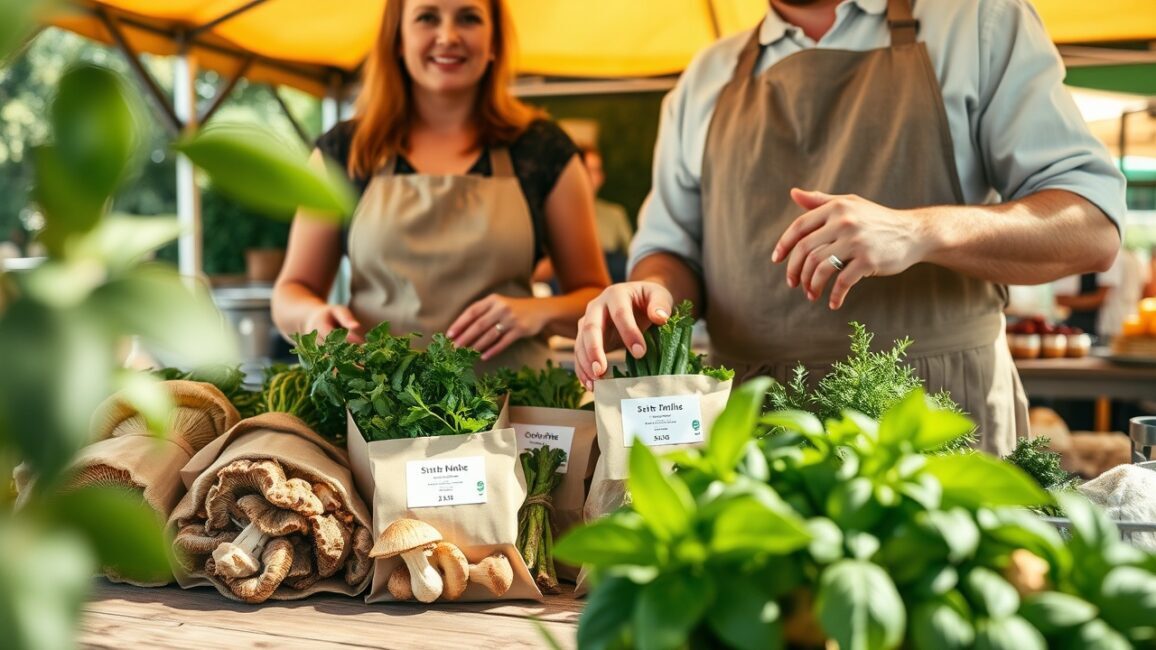
Target buyers who value freshness, origin, and short supply chains: farmers’ markets, community-supported agriculture (CSA) schemes, independent grocers, and local restaurants. Cadeias de Valor that promote provenance and seasonal variety often command premiums and foster repeat business.
Approach buyers with clear samples, consistent volumes, and simple logistics plans. Build trust through timely deliveries and transparent communication about availability. Demonstrated reliability drives longer-term contracts and better price terms.
Leverage digital platforms and local food networks to showcase availability and streamline order-taking, reducing friction between producers and buyers.
Cooperatives vs. third-party aggregators
Choosing between cooperatives and contracted aggregators depends on capacity, trust, and investment appetite. Cooperatives offer producer ownership and potentially higher returns but require governance and management skills. Third-party aggregators provide operational expertise and market access in exchange for service fees.
Consider hybrid models where cooperatives partner with service providers for logistics and marketing while retaining ownership of product quality and branding. This balances professional execution with producer control within Cadeias de Valor.
Whichever model is chosen, ensure clear contracts, performance metrics, and revenue-sharing arrangements to maintain fairness and sustainability.
Aggregation Model
Strengths
Challenges
Producer Cooperative
Ownership, higher margins, community buy-in
Governance burden, need for training
Third-Party Aggregator
Professional logistics, market access
Service fees, less producer control
Postharvest Handling and Cold Chain
Basic postharvest practices
Implementing simple postharvest practices dramatically improves shelf life and price realization within Cadeias de Valor. Practices include gentle handling, prompt cooling, field sorting, and proper packaging that reduces bruising and contamination. Training producers on these steps pays off quickly in lower rejection rates.
Use low-cost tools like shaded packing areas, clean water for washing, and standardized crates to maintain quality. Document procedures so all producers follow consistent quality protocols for aggregated deliveries.
These measures are foundational for accessing higher-value channels that demand uniform quality and traceability.
Cold storage options and cost-effective cooling
Cold storage is often the most impactful investment for reducing losses in Cadeias de Valor. Options range from community coolers and evaporative coolers to shared refrigerated trailers. Choose solutions appropriate to crop type, volumes, and power availability. Solar-powered cold rooms can be viable where grid power is unreliable.
Assess total costs including maintenance and energy to ensure the solution is sustainable. Shared ownership or rental models spread costs across producer groups, improving affordability and utilization rates.
Prioritize cooling at the aggregation point and during transport to preserve freshness until the product reaches the buyer.
Packaging and labeling for traceability
Packaging and labeling are critical to communicate origin, harvest date, and handling information—key differentiators in Cadeias de Valor. Durable labels, lot numbers, and simple handling instructions help buyers assess freshness and provenance quickly. Good packaging also reduces physical damage during transport.
Invest in standardized pack sizes and clear labeling that supports rapid sorting at retail. For premium channels, include certification or farmer stories to add value and justify higher prices.
Traceability supports food safety compliance and builds consumer trust, essential for scaling local market relationships.
Anúncios
Logistics and Transportation Networks
Route planning and consolidation
Efficient route planning and load consolidation are central to reducing per-unit transportation costs in Cadeias de Valor. Consolidate small loads at aggregation points and schedule pickups to maximize vehicle utilization. Use simple routing tools or apps to plan multi-stop runs that minimize empty miles and delivery time.
Consider shared transport agreements among producer groups or partnerships with local transport cooperatives to keep costs down. Consolidation also helps maintain product temperature and reduces handling times at retail.
Monitoring a few key KPIs—average delivery time, fill rate, and cost per kilogram—helps refine routes and schedules over time.
Last-mile solutions for perishable goods
Last-mile delivery is often the toughest link in Cadeias de Valor, especially for perishables requiring quick turnarounds. Options include refrigerated vans, insulated boxes with ice packs, or partnering with local couriers that specialize in fresh produce. Matching delivery frequency to buyer demand balances freshness with cost.
Urban collection points or micro-warehouses near city centers can shorten last-mile distances and enable same-day deliveries to multiple retailers. These hubs improve responsiveness and reduce spoilage risks.
Evaluate delivery SLAs with buyers and structure pickups to meet peak demand windows for best market impact.
Partner with logistics providers or digital platforms that offer scheduling, inventory tracking, and route optimization to professionalize Cadeias de Valor. Even basic mobile apps for order taking and delivery confirmations can reduce errors and improve buyer satisfaction. Choose tools that integrate with your aggregation workflows.
Shared platforms connecting multiple producer groups and buyers increase load matching and reduce empty runs. Negotiate contracts that align incentives—e.g., performance-based fees tied to on-time delivery and product condition.
Investing in appropriate tech and partnerships delivers measurable gains in reliability, which is often the decisive factor for retailers choosing suppliers.
Logistics Option
Best for
Typical Cost Factor
Refrigerated Van
Medium-volume urban routes
High (fuel, maintenance)
Insulated Boxes + Courier
Small, high-frequency deliveries
Medium (consumables)
Shared Micro-hub
Multiple producers to many buyers
Low-medium (shared overhead)
Finance, Contracts, and Risk Management
Accessing working capital and investment
Reliable cash flow is essential to build Cadeias de Valor. Explore tailored financial products: pre-harvest loans, invoice financing, and microcredit programs designed for agriculture. Working capital enables timely harvest, adequate postharvest handling, and meeting bulk delivery commitments to buyers.
Leverage aggregation centers as credit collateral or partner with fintechs that offer supply-chain financing. Clear accounting and traceability increase lender confidence and lower financing costs for producer groups.
Combine grants or catalytic funding for capital items like cold rooms with commercial loans for operational needs to create a balanced financing structure.
Contracts, quality standards, and certifications
Formal contracts with buyers reduce market risk and provide predictable demand for Cadeias de Valor. Contracts should include volume, quality specs, delivery windows, payment terms, and penalties for non-compliance. Clear standards reduce disputes and lower rejection rates at retail.
Where profitable, pursue certifications (organic, fair trade, GAP) that open higher-value markets. Certification can also be phased, starting with basic quality protocols and moving to formal labels when volumes and margins justify the cost.
Regular quality audits and simple traceability records help maintain standards and support continuous improvement across the chain.
Managing spoilage and price volatility
Risk management strategies for Cadeias de Valor include diversifying buyers, contracting forward sales, and using storage to time market sales. Reducing spoilage through improved handling and cold chain is the most direct way to protect revenue. Insurance products for crop loss and transport damage can also mitigate financial shocks.
Build simple contingency plans: alternate buyers, emergency cooling arrangements, and cooperative funds to cover short-term cash needs. These measures maintain trust with buyers and protect producer incomes when disruptions occur.
Regular monitoring of market prices and flexible sales strategies help capture higher prices for peak-quality produce.
Marketing, Branding, and Scaling
Creating farm-to-market brands
Branding adds value within Cadeias de Valor by communicating origin, quality, and sustainability. A clear brand story—highlighting family farming, local soil, or traditional practices—can justify premiums and build customer loyalty. Use consistent labels, photography, and messaging across channels.
Small investments in packaging design, point-of-sale materials, and social media presence amplify market visibility. Cooperative branding consolidates individual producers’ stories into a stronger, marketable identity for aggregated products.
Track customer feedback and adjust offerings based on buyer preferences to strengthen brand positioning in local markets.
Pricing strategies and value-added products
Beyond fresh produce, consider value-added processing—clean-cut vegetables, pickles, preserves, or portioned packs—to extend shelf life and increase margins within Cadeias de Valor. Value-added goods often reach different buyer segments and reduce dependence on volatile fresh markets.
Adopt pricing strategies that reflect costs, seasonal demand, and brand premiums. Bundling products, subscription boxes, or CSA memberships create predictable revenue streams and improve planning.
Test new products at farmers’ markets or with restaurant partners to refine offerings before scaling production.
Scaling geographically and by product line
Scale Cadeias de Valor by replicating successful aggregation and logistics models in nearby regions or by expanding product lines that fit existing cold chain and buyer networks. Prioritize scale steps that preserve quality and operational reliability rather than pursuing rapid, unfunded expansion.
Document standard operating procedures and invest in training to ensure new sites reproduce the same performance. Strategic partnerships with regional distributors help reach broader markets without diluting quality control.
Measure unit economics frequently to confirm profitability as the chain grows and adjust investments accordingly.
Cadeias de Valor are powerful tools for boosting local sales, increasing farm income, and reducing postharvest losses by connecting family farms to efficient market networks. By mapping flows, establishing aggregation points, investing in postharvest handling, and formalizing buyer relationships, producers can capture more value from their crops. Implement these steps incrementally—start with aggregation and reliable logistics, then layer in cold chain, branding, and financing to scale sustainably.
Take action now: map your local chain, identify one aggregation partner, and pilot a consolidated delivery to a nearby buyer to prove the model and unlock greater revenue for family farms.
FAQ
What are Cadeias de Valor for family farms?
Cadeias de Valor are coordinated networks linking small producers to markets through aggregation, processing, logistics, and sales, designed to increase income and reduce losses by improving product flow and traceability.
How can I start an aggregation point?
Identify a cluster of nearby producers, secure a simple shared space for sorting and weighing, set collection schedules, and appoint a manager to handle records and buyer coordination for efficient aggregate deliveries.
Which financing options support value chains?
Options include pre-harvest loans, invoice financing, microcredit, grants for infrastructure, and supply-chain financing through fintechs. Aggregation centers often help qualify groups for better terms.
What low-cost cooling solutions work for small farms?
Evaporative coolers, insulated crates with ice packs, and shared community coolers are cost-effective. Solar-powered cold rooms are viable where electricity is unreliable and volumes justify investment.
How do I find buyers that value freshness and origin?
Target farmers’ markets, local grocers, restaurants, CSAs, and food hubs. Present consistent volumes, samples, and reliable delivery plans; use local food networks and platforms to connect.
Edvânia Almeida. Formada em Ciências Contábeis e Pós-graduada em Gestão Financeira: Auditoria e Controladoria pela FGV. Pequena pecuarista e apaixonada pelo Agronegócio e Gestão Estratégica.
Para fornecer as melhores experiências, usamos tecnologias como cookies para armazenar e/ou acessar informações do dispositivo. O consentimento para essas tecnologias nos permitirá processar dados como comportamento de navegação ou IDs exclusivos neste site. Não consentir ou retirar o consentimento pode afetar negativamente certos recursos e funções.
Funcional
Sempre ativo
O armazenamento ou acesso técnico é estritamente necessário para a finalidade legítima de permitir a utilização de um serviço específico explicitamente solicitado pelo assinante ou utilizador, ou com a finalidade exclusiva de efetuar a transmissão de uma comunicação através de uma rede de comunicações eletrónicas.
Preferências
O armazenamento ou acesso técnico é necessário para o propósito legítimo de armazenar preferências que não são solicitadas pelo assinante ou usuário.
Estatísticas
O armazenamento ou acesso técnico que é usado exclusivamente para fins estatísticos.O armazenamento técnico ou acesso que é usado exclusivamente para fins estatísticos anônimos. Sem uma intimação, conformidade voluntária por parte de seu provedor de serviços de Internet ou registros adicionais de terceiros, as informações armazenadas ou recuperadas apenas para esse fim geralmente não podem ser usadas para identificá-lo.
Marketing
O armazenamento ou acesso técnico é necessário para criar perfis de usuário para enviar publicidade ou para rastrear o usuário em um site ou em vários sites para fins de marketing semelhantes.
 Ir para o conteúdo