Agritourism connects urban visitors with rural producers by turning family farming fairs into immersive, profitable events. This approach helps small farms showcase production, sell directly, and create lasting customer relationships through hands-on experiences and storytelling.
Local markets and family farming fairs often struggle with short visitor dwell time, low average spend, and limited repeat visits. Agritourism offers concrete ways to boost engagement, extend stays, and generate new revenue streams while educating consumers about food systems and seasonality.
In this article you’ll learn what agritourism is, why it matters for family farming fairs, and practical steps to design memorable on-farm and fair-based experiences that increase income and loyalty.
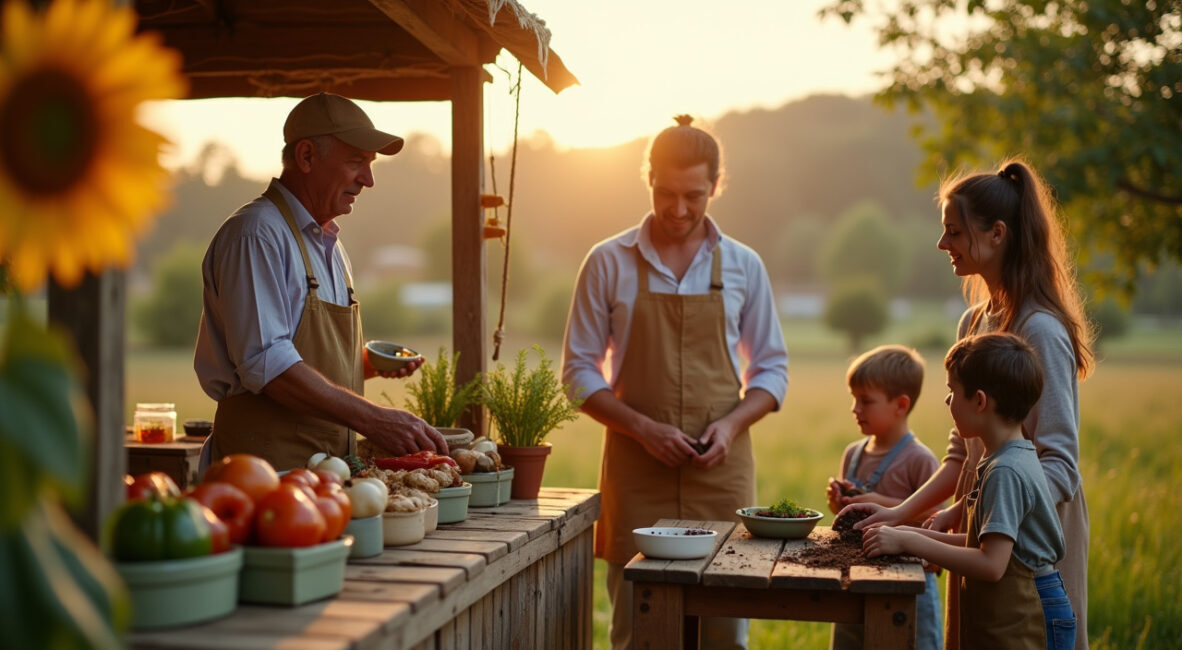
Community agritourism centers on creating meaningful interactions between city visitors and rural producers. Examples include farm tours, tasting stations, and live demonstrations that make production methods visible and relatable. These activities build trust and curiosity, encouraging visitors to ask questions, sample products, and buy directly.
By staging authentic experiences—such as meet-the-producer booths and small-animal encounters—fairs can shift visitor mindset from passive browsing to active participation. This increases dwell time and converts interest into purchases and repeat attendance.
Use storytelling to emphasize provenance and sustainability; visitors remember the people and processes behind the food, strengthening brand loyalty and word-of-mouth marketing.
Benefits of agritourism for local markets
Agritourism boosts direct sales, diversifies income sources, and raises the profile of small farms. Markets and fairs that integrate experiences often see higher average transactions, increased newsletter sign-ups, and stronger social media engagement. These benefits support financial resilience for producers.
Beyond revenue, agritourism educates consumers about seasonality, animal welfare, and regenerative practices—shaping demand for higher-quality, responsibly produced goods. The educational aspect creates long-term shifts in purchasing habits.
Finally, aggregated activities at fairs help smaller farms share marketing costs and present a unified destination that attracts larger, more diverse crowds.
Designing entry-level agritourism offers
Start with low-cost, high-impact activities that are simple to run at fairs—tastings, short demos, and hands-on mini-workshops. These require minimal staff training and can be repeated across events to build recognition. Entry-level offers let farmers test audience interest with little risk.
Document what works—track participation, sales uplifts, and feedback—to refine experiences. Use signage and QR codes to capture emails and social follows during events, converting one-time visitors into returning customers.
Pair experiences with clear calls to action: “Subscribe for seasonal boxes,” “Book a farm visit,” or “Pre-order next week’s produce” to turn engagement into measurable business outcomes.
Anúncios
Farm-to-Fair Agritourism: Bringing the Farm Experience to Events
Hands-on activities to include
Guided mini-tours explaining crop cycles
Interactive planting or seed-sorting stations
Cooking demos using market ingredients
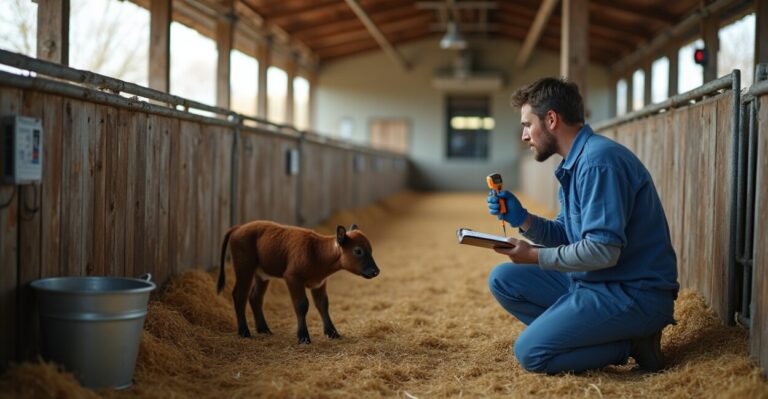
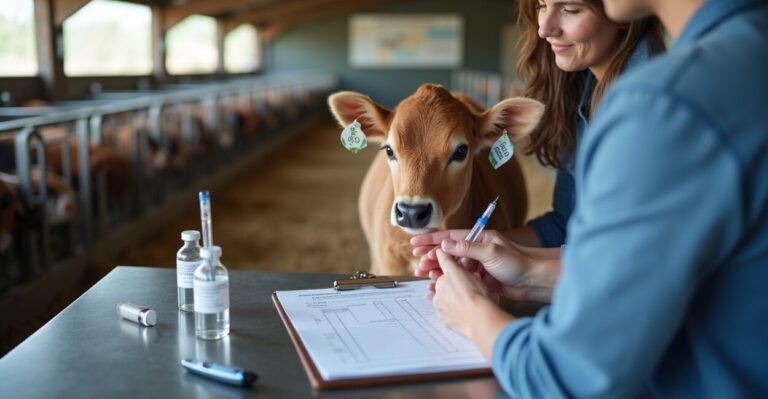
Petting areas with careful biosecurity measures
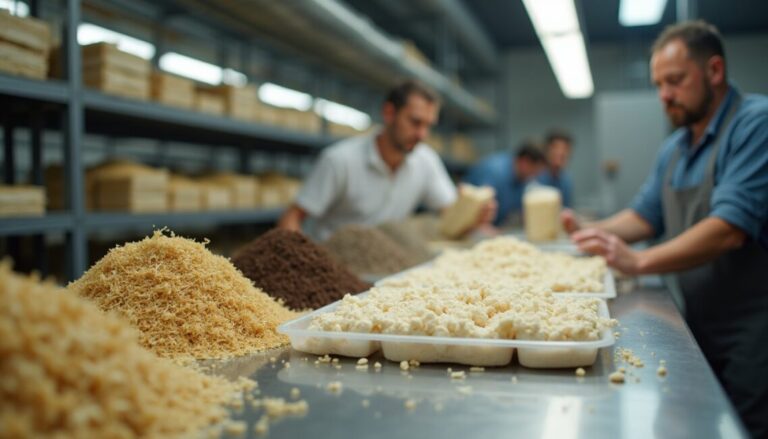
Produce processing demonstrations (cheese, preserves)
Hands-on activities let visitors experience agricultural processes in a controlled fair environment. These interactions create memorable moments that increase time spent and perceived value, which often translates into higher sales and social shares.
Plan rotations and timed sessions to avoid crowding and keep energy high. Provide clear safety guidance and hygiene stations for activities that involve food or animals.
Operational considerations for farm-to-fair setups
Logistics are key: permits, insurance, and biosecurity must be addressed before bringing animals or perishable demonstrations to fairs. Transport, storage, and sanitary handling procedures protect both visitors and producers. Clear operating checklists reduce last-minute issues and ensure consistent quality.
Staffing matters—trained volunteers or rotating producer shifts maintain engagement and provide consistent messaging. Use signage and printed materials to reinforce verbal explanations and allow visitors to digest information at their own pace.
Finally, consider accessibility and crowd flow when siting interactive booths to maximize visibility and comfort for all attendees.
Measuring impact of on-site farm experiences
Track metrics: time-on-site, sales per visitor, newsletter sign-ups, and social mentions tied to agritourism activities. Short surveys or QR-based feedback forms capture visitor satisfaction and intent to purchase again. These data points inform which experiences to scale.
Combine qualitative observations—like attendee enthusiasm—with quantitative results to evaluate ROI. Even modest uplifts in average transaction value can justify expanding agritourism offerings across multiple fairs.
Report outcomes to participating farms to maintain buy-in; transparent performance sharing motivates continuous improvement and collaboration.
Experiential Agritourism: Workshops and Learning
Popular learning experiences at fairs
Preserving and canning workshops
Seed saving and heirloom variety talks
Beekeeping basics and pollinator planting
Urban gardening techniques for small spaces
Cooking classes focused on seasonal produce
Workshops turn casual visitors into active learners, increasing perceived value and willingness to pay. Short, focused sessions at fairs—30 to 45 minutes—fit visitor schedules while delivering practical skills that participants can apply immediately.
Charge modest fees or use free sessions to capture leads; both approaches can increase revenue or build future customer pipelines through follow-up offers.
Creating curriculum for varied audiences
Design workshops for different knowledge levels: beginner, intermediate, and advanced. Tailor content for families, hobby gardeners, and foodies. Use clear learning objectives and provide takeaway materials—recipes, checklists, or seed packets—to prolong the learning impact beyond the fair.
Engage local extension agents or experienced producers as facilitators; their credibility enhances the perceived value of the session. Interactive elements—hands-on tasks or sample tastings—boost retention and enjoyment for participants.
Evaluate sessions through quick post-class polls to refine future offerings and ensure alignment with audience interests and market demands.
Monetization strategies for educational agritourism
Charge for premium workshops, offer tiered pricing, or bundle classes with product discounts or farm tours. Memberships or season passes to recurring workshops create predictable revenue and increase customer lifetime value. Sponsorships from local businesses can offset costs and add credibility.
Use pre-registration to manage capacity and reduce no-shows. Offer add-ons like take-home kits to increase per-participant revenue while enhancing the experience and brand recall.
Promote classes in advance through partner channels, local media, and community calendars to ensure solid attendance and visibility.
Anúncios
Marketing Agritourism: Promoting Experiences
Digital marketing for agritourism
Use targeted social media posts and short videos to showcase sensory elements—sizzling demos, hands-in-soil shots, or close-ups of produce. Visual content attracts clicks and drives event attendance. Include clear CTAs for bookings, newsletter sign-ups, and direct orders.
Leverage email marketing to convert fair visitors into repeat customers by sending seasonal offerings, behind-the-scenes stories, and exclusive pre-sale links. Maintain an events calendar on your site to centralize information.
Work with local influencers or community groups to expand reach. Consider paid ads timed to local festivals or market weekends to increase awareness among nearby urban audiences.
Partnerships and cross-promotion
Collaborate with chefs, schools, and tourism boards to co-host events or create itineraries that include fair stops and farm visits. Partnerships amplify outreach and provide diverse entry points for different audience segments. Shared promotion reduces individual marketing costs.
Engage local restaurants to feature fair ingredients in special menus or pop-up dinners, linking back to producers and events. This creates a virtuous cycle of exposure and sales for participating farms.
Coordinate with regional agritourism associations or extension services to list events on official platforms and tap into existing visitor networks for broader visibility.
Offline tactics that work
Use clear, attractive signage at fairs and around town to draw foot traffic. Posters in community centers, libraries, and cafes reach audiences who might not be active online. Offer printed schedules and maps to guide visitors through experiences and encourage longer stays.
Host themed weekends—harvest festivals, kids’ farm days, or artisan markets—to create urgency and repeat visits. Community outreach through schools and local clubs builds long-term relationships and word-of-mouth referrals.
Collect contact details at every interaction to convert offline interest into digital relationships for future promotions and bookings.
Revenue Models in Agritourism: Monetize Fair Experiences
Direct sales and value-added products
Seasonal produce boxes and CSA sign-ups
Artisan preserves, cheeses, and baked goods
On-site value-adding demonstrations with purchase options
Direct sales remain the primary revenue driver at fairs. Pairing products with live demos or tastings increases perceived value and willingness to purchase premium items. Offering limited-run or event-exclusive products creates urgency and higher margins.
Encourage pre-orders and pickups to secure sales ahead of the event; this reduces waste and smooths logistics for producers.
Experience fees and tiered pricing
Charge nominal fees for hands-on workshops, guided tours, or VIP tastings. Implement tiered pricing—basic free demos with premium paid sessions—to capture a wider audience profile. Bundling products with experiences increases per-visitor revenue while providing tangible value.
Offer subscriptions or season passes to create predictable cash flow. Passholders receive perks such as discounts, early access, or exclusive workshops, strengthening loyalty and repeat visitation.
Communicate value clearly so customers understand what they receive for the fee and how it differs from free activities.
Grants, sponsorships, and partnerships
Pursue local grants for rural tourism development and food education to support program startup costs. Corporate sponsorships from agricultural suppliers or local businesses can offset event expenses and lend credibility. Cross-promotional partnerships reduce marketing spend and increase reach.
Document impact and visitor metrics to strengthen future funding proposals. Funders value measurable outcomes such as increased producer income or visitor education statistics.
Use sponsorship signage and co-branded materials to recognize partners while maintaining the authenticity and independence of producer storytelling.
Logistics and Safety for Agritourism Events
Planning operations for smooth events
Operational planning covers site layout, crowd flow, waste management, and vendor coordination. A clear layout improves visitor experience and safety while maximizing exposure for producers. Schedule staggered activities to avoid congestion and maintain a steady flow of attendees between attractions.
Assign clear roles for setup, on-the-ground coordination, and teardown. Use checklists and timelines to ensure consistent execution across events and reduce volunteer or vendor confusion.
Consider weather contingencies and shelter options to keep programs running despite unexpected conditions; resilient planning keeps momentum and protects revenue.
Health, safety, and biosecurity
Establish hygiene stations, handwashing facilities, and clear rules for animal interactions to protect visitors and livestock. Biosecurity protocols—such as boot washes or restricted areas—prevent disease transmission and maintain farm credibility.
Ensure first-aid access and emergency contact information is visible. Liability waivers or posted guidance may be necessary for higher-risk activities; consult local regulations and insurance providers to stay compliant.
Train staff and volunteers on safety protocols and visitor communication techniques to manage incidents calmly and professionally.
Permits, insurance, and legal considerations
Permits vary by location and activity—food handling, live animals, and large gatherings often require municipal approvals. Confirm zoning, vendor licenses, and health department rules well in advance. Noncompliance can result in fines or event shutdowns.
Insurance coverage should include public liability, product liability, and event cancellation options. Work with an insurer who understands agritourism to ensure appropriate protections for producers and organizers.
Document agreements with vendors and partners to clarify responsibilities, revenue sharing, and risk management for a transparent operating relationship.
Measurement and Growth: Scaling Agritourism at Fairs
Key performance indicators for agritourism
Track metrics such as visitor count, average transaction value, workshop attendance, email captures, and repeat visitation rates. These KPIs reveal which experiences drive revenue and loyalty and where to focus investment. Regular measurement enables data-driven decisions that improve outcomes over time.
Use simple tools—sales reports, QR-based surveys, and sign-up forms—to collect actionable data without heavy technical investment. Present results to stakeholders to align on priorities and celebrate wins.
Benchmark performance across events and seasons to identify trends and adjust programming for peak impact and efficiency.
Scaling strategies for successful programs
Replicate successful activities across multiple fairs, standardize training for producers, and develop modular kits for pop-up experiences. Scaling requires consistent quality control, repeatable logistics, and clear branding so visitors receive the same high-value experience wherever they encounter your program.
Invest in a central booking system and shared marketing assets to reduce friction for both organizers and customers. Build a coalition of farms to share costs and broaden the range of offerings available at each event.
Expand gradually—add one new market or weekend per season and refine before wider rollout to limit risk while growing reach.
Comparing event types and expected ROI
Event Type
Typical Cost
Expected ROI
Weekend family fair
Low to medium
Medium (brand lift + direct sales)
Paid workshop series
Low
High (per attendee revenue)
Farm tour + dinner
Medium
High (premium pricing)
Compare costs and returns to determine the best fit for your producer group. Some formats require higher upfront investment but yield stronger margins and loyal customers, while others provide steady visibility with lower risk.
Use pilot events to validate assumptions and scale the most promising formats based on measured performance and participant feedback.
Conclusion
Agritourism transforms family farming fairs into engaging, revenue-generating destinations that educate consumers and strengthen producer livelihoods. By combining hands-on experiences, workshops, effective marketing, and solid operations, fairs can increase visitor dwell time, boost sales, and build lasting loyalty.
Start small—test a few interactive activities, measure results, and scale what works. Agritourism offers a practical path to growing local markets while reconnecting urban consumers with the origins of their food. Ready to plan your first agritourism pilot?
FAQ
What exactly is agritourism?
Agritourism is offering farm-based experiences to visitors—tours, workshops, tastings, and hands-on activities—that connect consumers with food production while creating income for producers.
How can small farms start with limited resources?
Begin with low-cost activities like tastings or short demos at local fairs, collect feedback, and use pre-registration to manage demand and cover basic costs before expanding offerings.
What permits or insurance are typically required?
Requirements vary by location; common needs include food handling permits, public liability insurance, and permissions for live animals. Check local regulations and consult insurers familiar with agritourism.
How do you promote agritourism experiences effectively?
Use social media videos, email marketing, partnerships with chefs or tourism boards, and targeted local advertising. Visual storytelling and clear CTAs drive attendance and bookings.
Can agritourism remain profitable year-round?
Yes, with seasonal programming, indoor workshops, and value-added products you can create year-round offerings that stabilize income and maintain visitor engagement across seasons.
Edvânia Almeida. Formada em Ciências Contábeis e Pós-graduada em Gestão Financeira: Auditoria e Controladoria pela FGV. Pequena pecuarista e apaixonada pelo Agronegócio e Gestão Estratégica.
Para fornecer as melhores experiências, usamos tecnologias como cookies para armazenar e/ou acessar informações do dispositivo. O consentimento para essas tecnologias nos permitirá processar dados como comportamento de navegação ou IDs exclusivos neste site. Não consentir ou retirar o consentimento pode afetar negativamente certos recursos e funções.
Funcional
Sempre ativo
O armazenamento ou acesso técnico é estritamente necessário para a finalidade legítima de permitir a utilização de um serviço específico explicitamente solicitado pelo assinante ou utilizador, ou com a finalidade exclusiva de efetuar a transmissão de uma comunicação através de uma rede de comunicações eletrónicas.
Preferências
O armazenamento ou acesso técnico é necessário para o propósito legítimo de armazenar preferências que não são solicitadas pelo assinante ou usuário.
Estatísticas
O armazenamento ou acesso técnico que é usado exclusivamente para fins estatísticos.O armazenamento técnico ou acesso que é usado exclusivamente para fins estatísticos anônimos. Sem uma intimação, conformidade voluntária por parte de seu provedor de serviços de Internet ou registros adicionais de terceiros, as informações armazenadas ou recuperadas apenas para esse fim geralmente não podem ser usadas para identificá-lo.
Marketing
O armazenamento ou acesso técnico é necessário para criar perfis de usuário para enviar publicidade ou para rastrear o usuário em um site ou em vários sites para fins de marketing semelhantes.
 Ir para o conteúdo