Pepino is a versatile vegetable prized for its fast growth, high yields, and strong market demand. Understanding how to grow and commercialize pepino effectively can boost farm profitability and support sustainable garden production. In this article you’ll learn what pepino is, why it matters for growers, and how to get started from seed to sale.
Farmers and gardeners face challenges like pest pressure, volatile prices, and logistics. Pepino offers an opportunity due to its quick cycle, multiple harvests, and diverse market uses in fresh produce, pickling, and processing. This guide addresses cultivation, variety selection, pest management, postharvest handling, and market strategies.
Throughout the article we’ll cover practical steps, technical details, and business tips tailored for producers, agronomists, and agribusiness managers. Expect actionable checklists, comparative tables, and links to authoritative sources to support decision-making.
Choosing the right pepino cultivar affects yield, disease resistance, and market suitability. Standard slicer types are bred for crisp texture and uniform shape, while pickling varieties prioritize compact size and firm flesh. Hybrid cultivars often bring improved resistance to powdery mildew, bacterial wilt, and nematodes, which can save costs on agrochemicals and labor.
Local adaptation is key: test two to three cultivars in a small plot to observe growth cycle, fruit set, and flavor. Consider days to maturity, vine vigor, and tolerance to local heat or cold stress. Seed companies and extension services provide trial data that align cultivar choices with regional climates and market preferences.
For commercial scale, prioritize consistent market traits: color uniformity, shelf life, and transport robustness. Document performance across seasons to refine selections and negotiate better pricing with buyers based on reliable quality.
Heirloom Vs Hybrid Pepino Considerations
Heirloom pepino varieties offer unique flavors and niche market appeal but may lack the disease resistance and uniformity of modern hybrids. Small-scale and organic growers often use heirlooms to capture premium markets, farmers’ markets, and direct-to-consumer channels where distinct taste and story add value. Heirlooms can enhance biodiversity on the farm.
Hybrids, in contrast, provide predictable yields, vigor, and resistance packages that simplify pest management. For large-scale production and supply chains, hybrids reduce variability and lower losses. Evaluate seed costs versus expected yield stability and postharvest performance to choose the best option for your business model.
Seed saving is feasible with open-pollinated heirlooms but not reliable with hybrids. Plan procurement cycles and contracts for seed to ensure consistent production, especially when supplying institutional buyers requiring strict specifications.
Anúncios
Choosing for Climate and Market Fit
Match pepino selection to local climate: short-cycle varieties suit temperate regions with limited warm months, while heat-tolerant types excel in subtropical and tropical areas. Consider day-length sensitivity, heat tolerance, and resistance to humidity-related diseases when selecting varieties for a region.
Market fit means understanding buyer requirements—slicer, pickling, or processing lines each demand different fruit sizes and firmness levels. Engage with buyers before planting to align variety choice with demand, reducing risk of unsellable produce and improving margins. Traceability and consistent quality help secure long-term contracts.
Use extension trials, seed catalogs, and regional trial reports to inform choices, and keep notes on crop performance to build a reliable variety portfolio that balances agronomic resilience and marketability.
Anúncios
Soil, Planting, and Early Crop Management
Site Selection, Soil Prep, and Fertilization
Optimal site selection for pepino includes well-drained soil, good sunlight (6–8 hours/day), and proximity to water for consistent irrigation. Soil should be friable and rich in organic matter; consider raised beds in heavy soils to ensure root aeration and reduce disease risk. Proper rotation breaks pest and pathogen cycles.
Soil testing guides fertilizer plans—pepino benefits from balanced N-P-K with attention to calcium and magnesium to prevent blossom end rot and poor fruit quality. Incorporate compost and well-decomposed manure to improve structure and microbiology. Mulches conserve moisture and moderate soil temperature, aiding early growth.
Apply starter fertilizers at transplant and use split nitrogen applications to sustain vegetative growth and fruit set. Avoid excessive nitrogen late in the cycle, which can reduce fruit firmness and marketability.
Seedling Production and Transplanting Timing
Start seeds in trays 3–4 weeks before the last expected frost or earlier for protected culture. Use sterile substrate to reduce damping-off, and maintain temperatures around 20–25°C for uniform germination. Harden seedlings by gradually reducing humidity and temperature before field transplanting to improve establishment.
Transplant when seedlings have 3–4 true leaves and roots are well-formed but not root-bound. Optimal transplanting depth is shallow; burying stems too deep can cause stem rot. Space plants according to cultivar vigor: compact types at tighter spacing, indeterminate vines with wider rows.
Post-transplant irrigation should be regular and gentle to prevent transplant shock; use fertigation where possible for precise nutrient delivery. Monitor for early pests like aphids to limit virus transmission in young plants.
Irrigation, Mulching, and Early Pest Control
Consistent irrigation is critical for pepino to avoid blossom drop and bitterness; drip irrigation provides water efficiency and reduces foliar disease by keeping leaves dry. Schedule irrigation around fruit set and during hot, dry spells. Soil moisture sensors improve precision and reduce water stress and waste.
Organic mulches suppress weeds, conserve moisture, and moderate soil temperature, improving root health. Plastic mulch can increase soil warmth and early yields in cool regions but requires careful disposal or recycling. Combine mulching with row covers for early pest exclusion.
Early pest control focuses on monitoring and integrated approaches: biological controls for aphids and mites, selective insecticides when thresholds are met, and removal of infected plants to limit disease spread. Regular scouting prevents small problems from becoming outbreaks.
Crop Nutrition, Growth Optimization, and Plant Physiology
Nutrient Management and Tissue Testing
Balanced nutrition supports vigorous vegetative growth, strong root systems, and consistent fruit set in pepino. Implement a fertilizer program based on soil tests and follow up with tissue analysis during critical growth stages—flowering and early fruiting—to adjust micronutrients like boron and zinc that influence pollination and quality.
Split applications of nitrogen improve uptake and reduce leaching losses, while potassium supports fruit firmness and shelf life. Foliar feeds can quickly correct deficiencies, but soil fertility remains the backbone of a stable program. Maintain record-keeping to correlate fertilizer strategies with yields.
Use precision tools like GPS-based soil mapping for large operations to tailor inputs by zone, improving efficiency and reducing environmental footprint. Proper nutrition reduces disease susceptibility and enhances marketability.
Pruning, Training, and Canopy Management
Training pepino vines on trellises increases airflow, reduces disease pressure, and simplifies harvesting. Prune selectively to open the canopy, removing non-productive shoots and suckers that divert resources. For high-density plantings, maintain a single leader to concentrate vigor into fruiting nodes.
Canopy management improves light penetration, enhancing fruit coloration and uniform ripening. It also facilitates pesticide coverage and scouting. Timing is important: prune after the initial fruit set, avoiding heavy cuts during peak fruiting to minimize stress and yield loss.
Invest in durable trellis systems that withstand wind and load from fruit; modular systems can be reused across seasons. Labor planning for pruning and training is necessary to maintain canopy at scale.
Growth Regulators and Bloom Management
Growth regulators can be useful in synchronizing bloom and controlling excessive vegetative vigor in pepino. Use plant growth regulators judiciously, following local regulations and label instructions, to avoid residues and unintended physiological effects. They are tools for horticultural scheduling more than a replacement for sound nutrition.
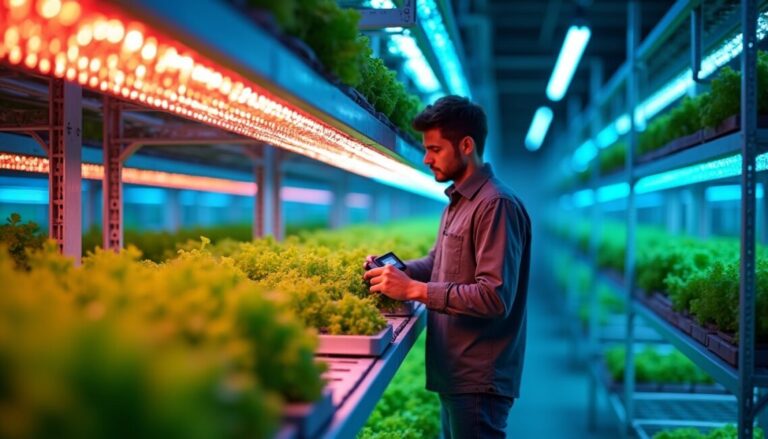
Pollen viability and pollinator activity are key for fruit set; in protected culture, introduce bumblebee hives or use hand pollination during low insect activity. Manage humidity and temperature to optimize pollination—extreme heat can reduce pollen viability and set rates, impacting yields.
Monitor blossom drop causes: nutrient imbalance, water stress, and pests like thrips. Corrective actions early in bloom maximize harvest potential and reduce unproductive flower development.
Anúncios
Pepino Pests, Diseases, and Integrated Management
Common Pests and Biological Controls
Aphids — monitor and use beneficial predators like lady beetles and lacewings.
Whiteflies — manage with yellow sticky traps and parasitoids in greenhouse systems.
Thrips — use reflective mulches and predatory insects to reduce feeding damage.
Pepino pests vary by region; early detection via scouting is essential. Biological control agents reduce pesticide reliance and support beneficial insect populations. Integrate multiple control tactics to minimize resistance development and protect pollinators.
Use economic thresholds to guide interventions and reserve broad-spectrum insecticides for severe outbreaks. Maintain flowering strips to attract natural enemies and improve overall IPM outcomes on the farm.
Fungal and Bacterial Diseases Management
Powdery mildew and downy mildew frequently affect pepino under humid conditions. Cultural practices—open canopies, proper spacing, and drip irrigation—reduce leaf wetness and disease pressure. Apply fungicides on a rotation to prevent resistance, relying on labeled products and integrated scheduling.
Bacterial wilt and soft rots can devastate crops; sanitation, crop rotation, and resistant varieties are the best defenses. Remove and destroy infected plants promptly, disinfect tools, and avoid working plants when wet to limit spread. Soil solarization can reduce soilborne pathogen loads in some systems.
Regular scouting and disease forecasting tools from extension services help time applications and cultural responses, improving efficacy and cost-efficiency for disease management strategies.
Monitoring, Thresholds, and Record-keeping
Implement a routine monitoring program that logs pest counts, disease incidence, and environmental conditions. Use action thresholds to determine when interventions are necessary, which helps avoid unnecessary treatments and preserves beneficial species. Digital tools and farm management software simplify record-keeping and decision support.
Records enable analysis of trends across seasons, revealing patterns in pest cycles and treatment effectiveness. Use that data to refine rotation schedules, input timing, and scouting protocols—this continuous improvement reduces input costs and environmental impact over time.
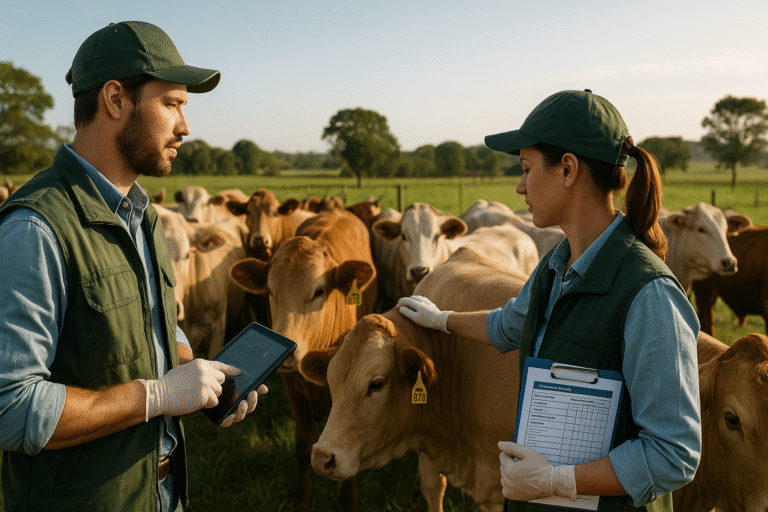
Train workers to identify early signs and use standardized forms or apps for rapid reporting. Quick responses to threshold exceedances prevent small outbreaks from becoming widespread losses.
Harvesting, Postharvest Handling, and Quality Control
Harvest Timing and Techniques
Harvest pepino at the right maturity for intended market—slicers need uniform size and firmness, while fresh markets may prefer slightly larger, fully colored fruits. Early morning harvest reduces field heat and preserves firmness. Use scissors or knives to cut stems cleanly and avoid skin damage that shortens shelf life.
Stagger harvests in multiple pickings to maximize quality; consistent picking intervals (every 2–3 days) help maintain supply continuity. Train harvest crews on gentle handling to reduce bruising and maintain aesthetic standards required by retailers and processors alike.
Record harvest dates and yields by block to analyze performance and plan future planting windows. Proper timing supports premium pricing and reduces postharvest losses.
Postharvest Cooling and Storage Comparison
Method
Temperature
Benefits
Hydrocooling
8–10°C
Rapid field heat removal, extends shelf life
Forced-air cooling
7–10°C
Uniform cooling, suitable for crates and pallets
Room cooling
10–12°C
Lower capital cost, slower cooling
Rapid cooling after harvest is essential to maintain firmness and slow respiration. Use forced-air or hydrocooling depending on scale and investment. Maintain relative humidity around 90–95% to minimize shriveling but avoid condensation that favors decay. Packaging that allows airflow reduces anaerobic conditions.
For short-term storage and local markets, simple cool rooms are effective. For longer distribution chains, invest in cold-chain logistics to preserve quality during transport and retail display.
Packaging, Grading, and Shelf-life Extension
Standardize grading by size, color, and defect tolerance to meet buyer specifications. Use breathable packaging that cushions fruit, prevents bruising, and allows air circulation. Label batches with harvest dates and traceability codes to meet retailer and regulatory demands.
Postharvest treatments like calcium dips can improve firmness and shelf life in some contexts; evaluate residue rules for your market before use. Modified atmosphere packaging can extend shelf life but requires investment and testing for pepino-specific gas mixes to avoid off-flavors.
Optimize logistics for fast movement to market—storage is temporary; speed to shelf preserves quality and maximizes price. Collaborate with packers and distributors to align packing lines and timing with peak fruit quality.
Market Potential, Pricing, and Commercialization Strategies
Local and Export Market Opportunities
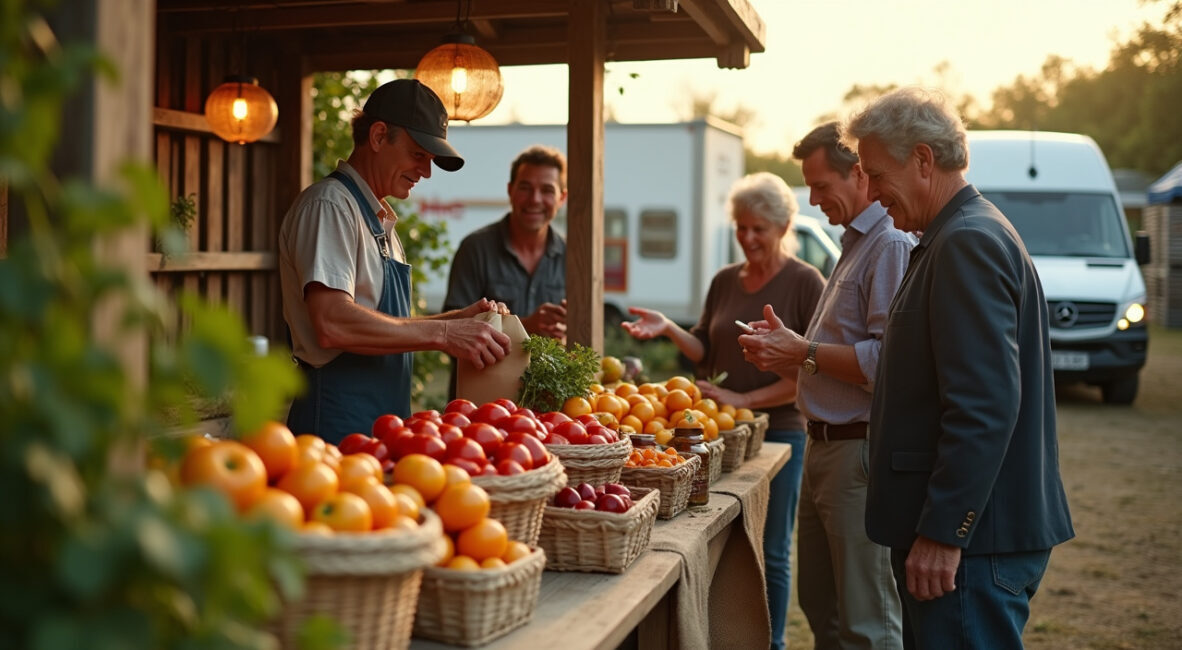
Pepino has broad market potential: fresh retail, wholesale, industrial processing, and niche organic channels. Local markets value freshness and quick turnover, while export channels demand consistent sizing, packing standards, and phytosanitary compliance. Assess transport times and cold-chain reliability before pursuing distant markets.
Specialty markets—organic, heirloom, and gourmet restaurants—pay premiums for unique varieties and traceable production practices. Contract growing with packers or retailers reduces price risk but requires meeting strict quality and delivery schedules. Diversify channels to buffer price volatility.
Use market research and buyer visits to determine preferred pack sizes, labeling, and certification needs. Export can be lucrative but requires investment in certification, traceability, and logistics to meet importer standards.
Pricing Strategies and Value-added Products
Price pepino based on quality tiers and value-added options. Fresh market pricing should reflect size, firmness, and cosmetic appearance; premium organic or heirloom lines can command higher prices. For processors, bulk contracts emphasize consistent supply and lower per-unit prices but with stable volumes.
Value-added products—pickles, pre-cut salad packs, or minimally processed chilled items—can increase margins and reduce waste from off-grade fruit. Invest in simple processing lines or partner with co-packers to expand product portfolios without heavy capital outlay.
Consider season extension (greenhouse or high tunnel) to access early-season premiums, and plan staggered plantings to smooth supply. Use forward contracts to lock in prices for a portion of your production to manage revenue risk.
Distribution, Logistics, and Retail Requirements
Efficient distribution hinges on cold-chain management, traceability, and compliance with retailer requirements. Retailers often require barcoding, pack standards, and delivery windows; meeting these consistently builds trust and repeat business. Logistics partners with experience in fresh produce reduce spoilage and claims.
For direct-to-consumer sales, invest in packaging aesthetics, clear labeling, and story-telling about farm practices—this adds perceived value. For wholesale and export, documentation and certifications (GAP, phytosanitary) are critical for access to larger buyers and international markets.
Negotiate payment terms and liability responsibilities with buyers. Use insurance and contractual clauses to manage risks like transit damage, and maintain contingency plans for market disruptions or sudden demand shifts.
Sustainability, Mechanization, and Scale-up Considerations
Water, Soil Health, and Regenerative Practices
Sustainable pepino production conserves water, protects soil, and enhances biodiversity. Drip irrigation, soil moisture monitoring, and deficit irrigation strategies reduce water use while maintaining yield. Incorporate cover crops and organic amendments to build soil structure and microbial health over time.
Crop rotation with legumes or non-host families reduces pest and disease pressure and improves nitrogen availability. Reduce tillage where possible to preserve soil carbon and structure. On larger farms, dedicate buffer strips to support pollinators and beneficial insects, improving natural pest control.
Track sustainability metrics—water use per kg, input costs, and soil organic matter—to demonstrate improvements to buyers and to qualify for sustainability schemes that can fetch premiums.
Mechanization Options for Planting and Harvest
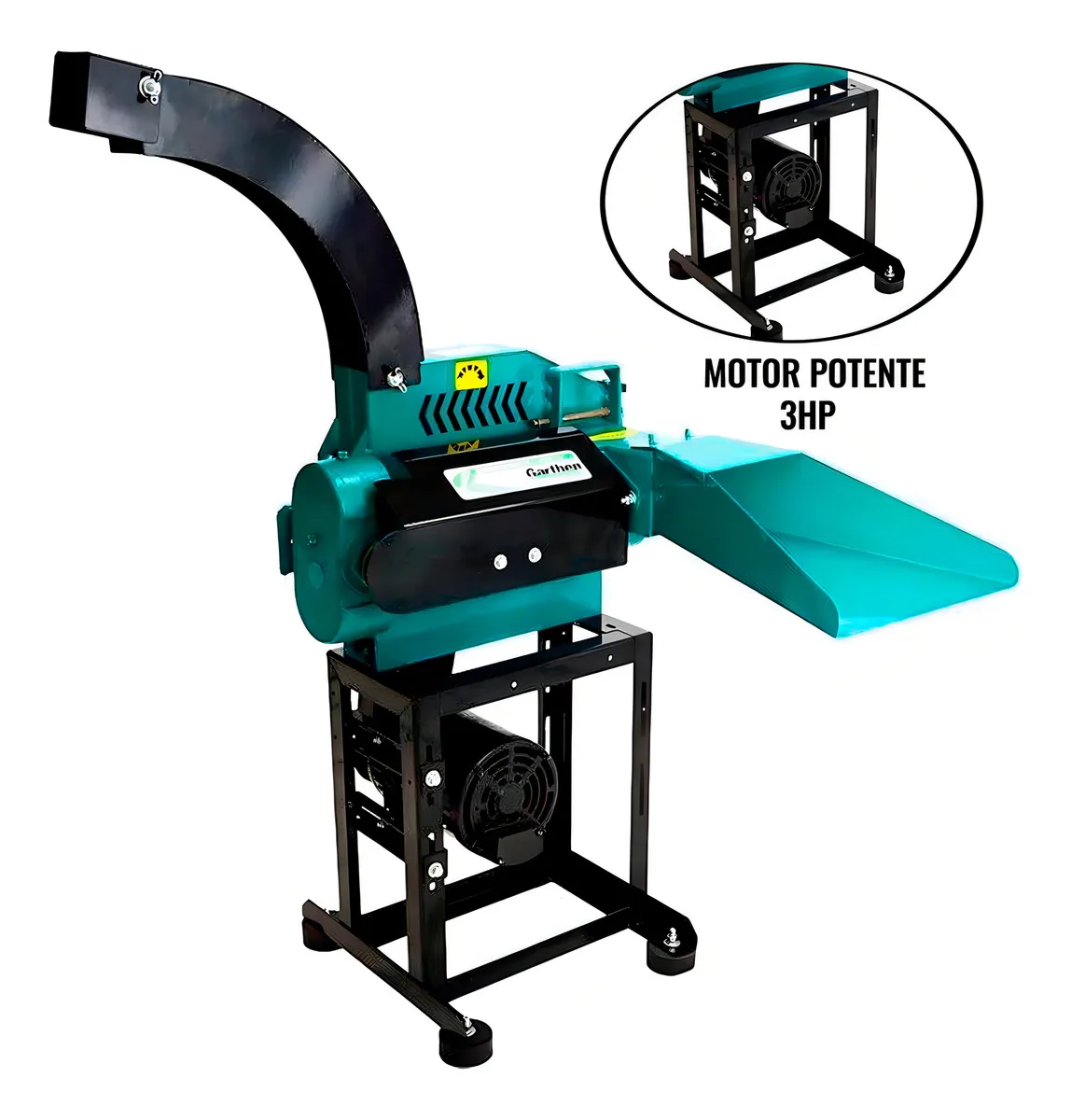
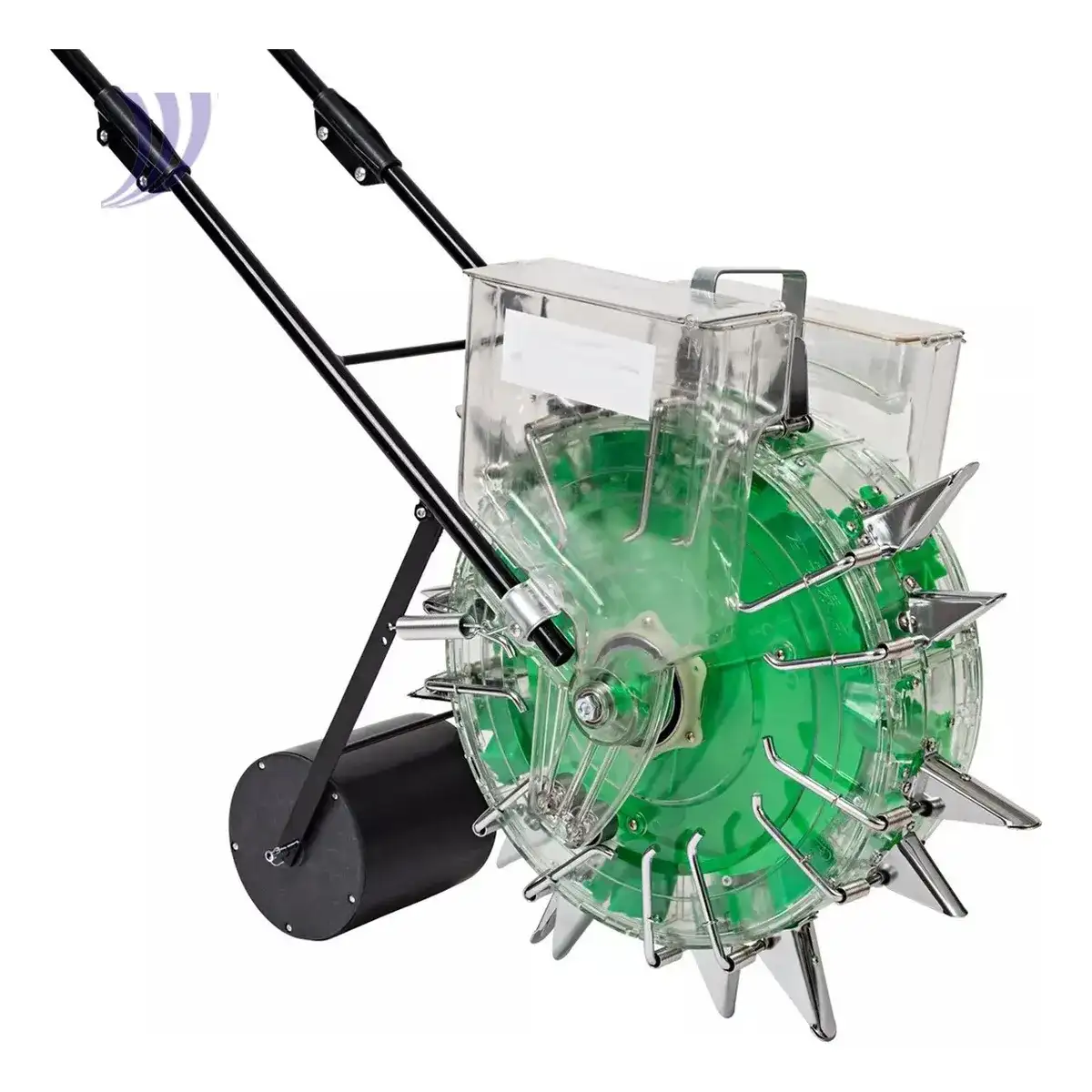
Mechanization increases efficiency but requires capital and adaptation to local farm sizes. For planting, precision seeders and transplanters speed establishment and ensure consistent spacing. Harvest mechanization for pepino is limited due to fruit fragility; however, mechanized conveyance and sorting systems reduce manual handling and improve packhouse throughput.
Small-scale farms can adopt semi-mechanized solutions—harvest aids, ergonomic tools, and mobile coolers—to boost productivity without large investments. Evaluate labor availability and costs when deciding on mechanization, and pilot equipment before full-scale purchase.
Consider collaborative investment models—cooperatives or custom service providers—to share mechanization cost and access specialized equipment for planting, harvesting, and packing.
Scaling Up Production and Risk Management
Scaling pepino production requires planning for seed supply, workforce, storage capacity, and market channels. Start with pilot blocks to refine practices, then expand using lessons learned. Financial modeling helps anticipate cash flow needs for inputs, labor, and infrastructure investments during scale-up.
Implement risk management tools: crop insurance where available, forward contracts to secure partial revenues, and diversification across crops and markets to reduce dependency on single buyers. Maintain contingency plans for pests, extreme weather, and logistics disruptions.
Invest in training and standard operating procedures to maintain quality at scale, and engage agronomy support services to troubleshoot production issues quickly as area under cultivation grows.
Conclusion
Pepino presents a compelling opportunity for growers seeking a fast-cycle, high-demand crop with diverse market channels. By selecting suitable cultivars, optimizing soil and irrigation, and implementing integrated pest and postharvest management, producers can achieve consistent quality and strong returns. The pepino’s adaptability to varied climates and potential for value-added processing make it attractive for small and large operations alike.
Plan production with clear market strategies, invest in cooling and traceability, and adopt sustainable practices to reduce risk and improve margins. Ready to scale? Start with trial plots, document results, and engage buyers early to convert quality production into reliable revenue.
Frequently Asked Questions
What is the Best Planting Density for Pepino to Maximize Yield?
The ideal planting density for pepino depends on cultivar vigor and trellising system. For compact varieties, spacing around 30–40 cm between plants and 90–120 cm between rows works well, while vigorous types may need 60–80 cm between plants. Trellising allows higher density and improves airflow, which reduces disease and increases usable yield per area.
How Often Should Pepino Be Irrigated During High-temperature Periods?
During hot periods, pepino typically requires frequent, shallow irrigations to maintain consistent soil moisture—often daily with drip systems depending on soil type and evapotranspiration rates. Use soil moisture sensors to avoid under- or over-watering, adjusting schedules for clay versus sandy soils, and maintain higher humidity control in protected culture.
Which Postharvest Methods Best Extend Pepino Shelf Life for Transport?
Rapid cooling (hydrocooling or forced-air) immediately after harvest dramatically extends shelf life by removing field heat. Maintain storage temperatures around 7–10°C and high relative humidity to prevent shriveling. Proper packaging with airflow and gentle handling also reduce mechanical damage and decay during transport.
Can Pepino Be Grown Organically and Remain Profitable?
Yes, pepino can be profitable in organic systems, especially when targeting farmers’ markets, CSA, and niche retail channels that value organic produce. Success depends on effective organic pest management, soil fertility strategies, and access to premium markets where consumers pay higher prices for certified organic produce.
What Are the Main Certifications or Documents Needed for Export of Pepino?
Exporting pepino typically requires phytosanitary certificates from plant health authorities, possibly GAP or other quality certifications, and compliance with importer-specific requirements. Additional documentation may include pesticide residue reports and traceability records; consult your national plant protection organization and importers for exact requirements.
Edvânia Almeida. Formada em Ciências Contábeis e Pós-graduada em Gestão Financeira: Auditoria e Controladoria pela FGV. Pequena pecuarista e apaixonada pelo Agronegócio e Gestão Estratégica.
Para fornecer as melhores experiências, usamos tecnologias como cookies para armazenar e/ou acessar informações do dispositivo. O consentimento para essas tecnologias nos permitirá processar dados como comportamento de navegação ou IDs exclusivos neste site. Não consentir ou retirar o consentimento pode afetar negativamente certos recursos e funções.
Funcional
Sempre ativo
O armazenamento ou acesso técnico é estritamente necessário para a finalidade legítima de permitir a utilização de um serviço específico explicitamente solicitado pelo assinante ou utilizador, ou com a finalidade exclusiva de efetuar a transmissão de uma comunicação através de uma rede de comunicações eletrónicas.
Preferências
O armazenamento ou acesso técnico é necessário para o propósito legítimo de armazenar preferências que não são solicitadas pelo assinante ou usuário.
Estatísticas
O armazenamento ou acesso técnico que é usado exclusivamente para fins estatísticos.O armazenamento técnico ou acesso que é usado exclusivamente para fins estatísticos anônimos. Sem uma intimação, conformidade voluntária por parte de seu provedor de serviços de Internet ou registros adicionais de terceiros, as informações armazenadas ou recuperadas apenas para esse fim geralmente não podem ser usadas para identificá-lo.
Marketing
O armazenamento ou acesso técnico é necessário para criar perfis de usuário para enviar publicidade ou para rastrear o usuário em um site ou em vários sites para fins de marketing semelhantes.
 Ir para o conteúdo