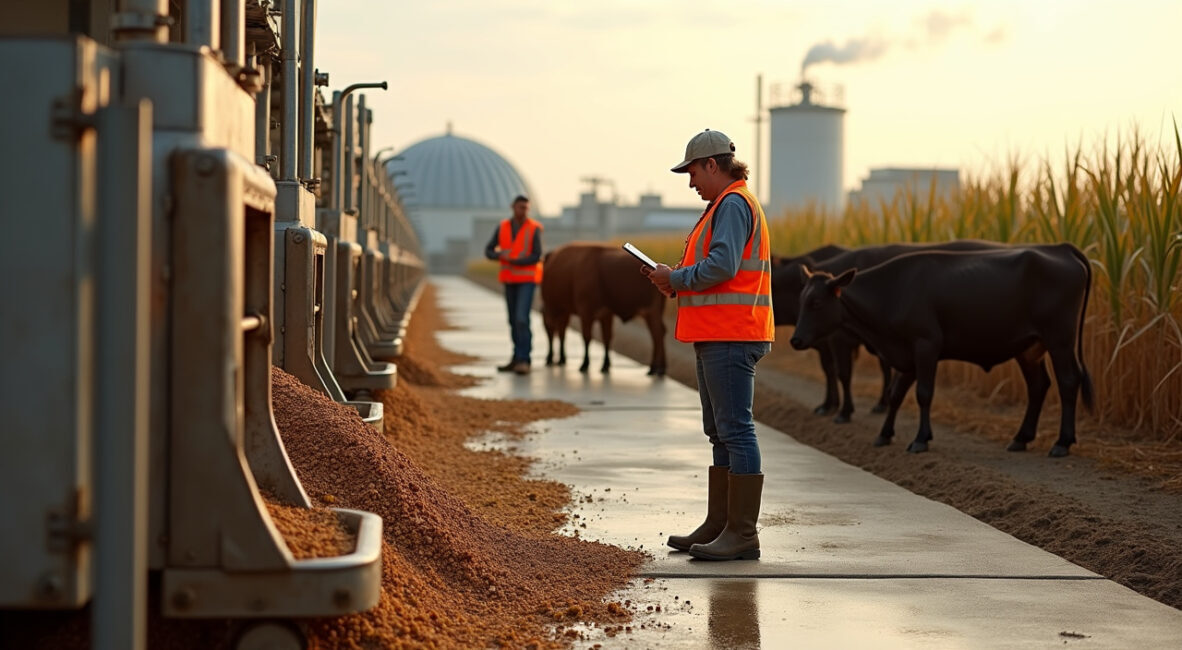
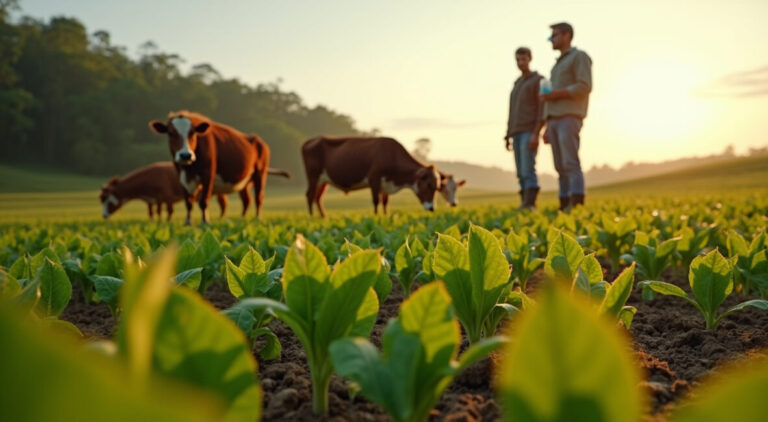
Modern cattle production increasingly relies on systems that close resource loops and boost efficiency. Cattle Confinement integrates feeding, waste recycling, and energy generation to convert agricultural byproducts into feed and fertilizer, lowering costs and emissions. This approach matters because it transforms what was once waste into valuable inputs, aligning productivity with sustainability.
Adopting Cattle Confinement requires understanding the local agricultural network—sugarcane processing, ethanol and energy production, and livestock management—to design a circular system. Below we outline practical steps, technology options, and economic and environmental benefits to help you plan and implement an integrated confinement cycle.
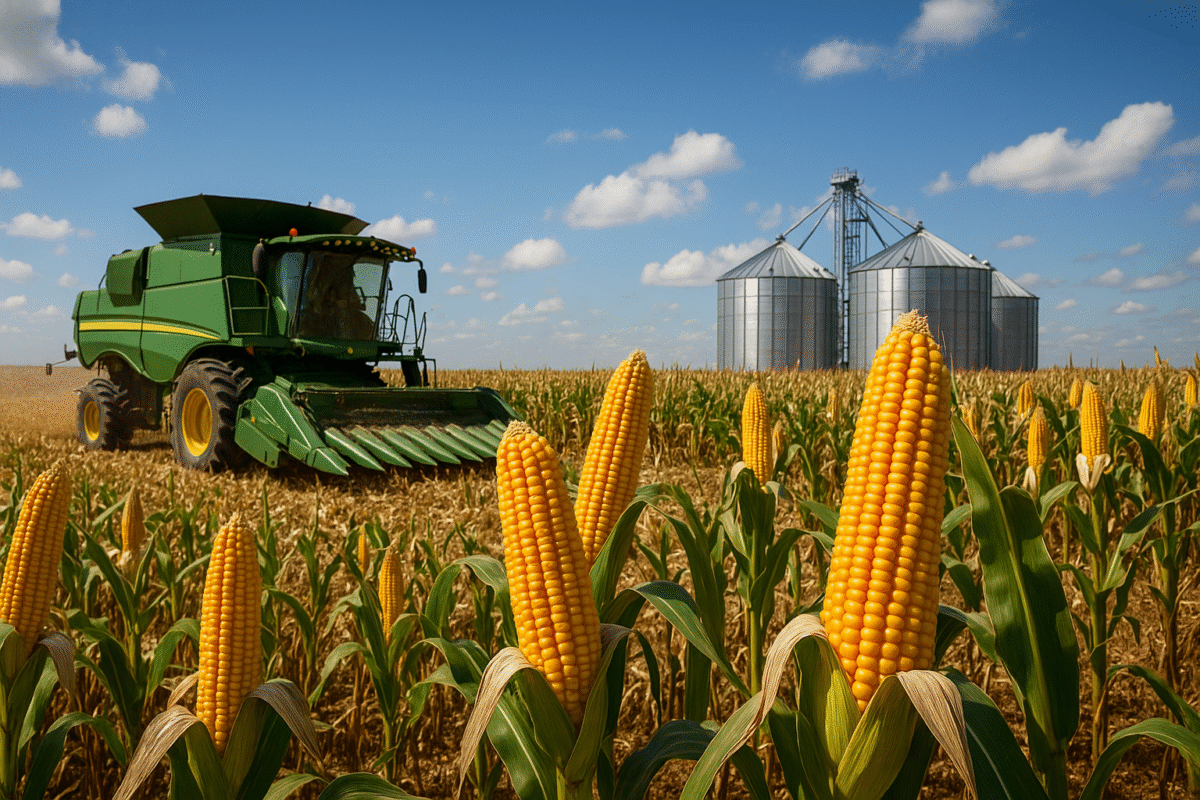
Converting sugarcane bagasse, vinasse and ethanol plant residues into usable feed is central to Cattle Confinement. Pre-treatments like ensiling, ammoniation, or pelleting increase digestibility and nutrient availability. These processes turn low-value byproducts into cost-effective roughage that supports high-density herds.
Successful integration requires testing nutrient profiles, balancing diets with protein sources, and monitoring animal performance. Work with a nutritionist to ensure rations meet energy and amino acid needs, preventing production losses or metabolic disorders.
On-farm feed processing also reduces transport costs and allows seasonal stockpiling. That means more predictable feed supply and resilience against market fluctuations for feed ingredients.
Precision Feeding and Ration Management
Precision feeding aligns nutrient supply with animal requirements to maximize weight gain and feed conversion. Tools like computerized ration formulation and automated feeders help tailor daily intakes, reducing waste and feed costs. This is a cornerstone of efficient Cattle Confinement.
Monitor growth rates, body condition, and feed conversion ratios regularly. Adjust rations for different production phases—adaptation, growth, finishing—to keep performance on target and minimize overfeeding or nutrient deficits.
Data-driven feeding also aids environmental goals by lowering nutrient excretion—reducing ammonia and greenhouse gas emissions from confinement facilities.
Supplementation and Additives for Health and Performance
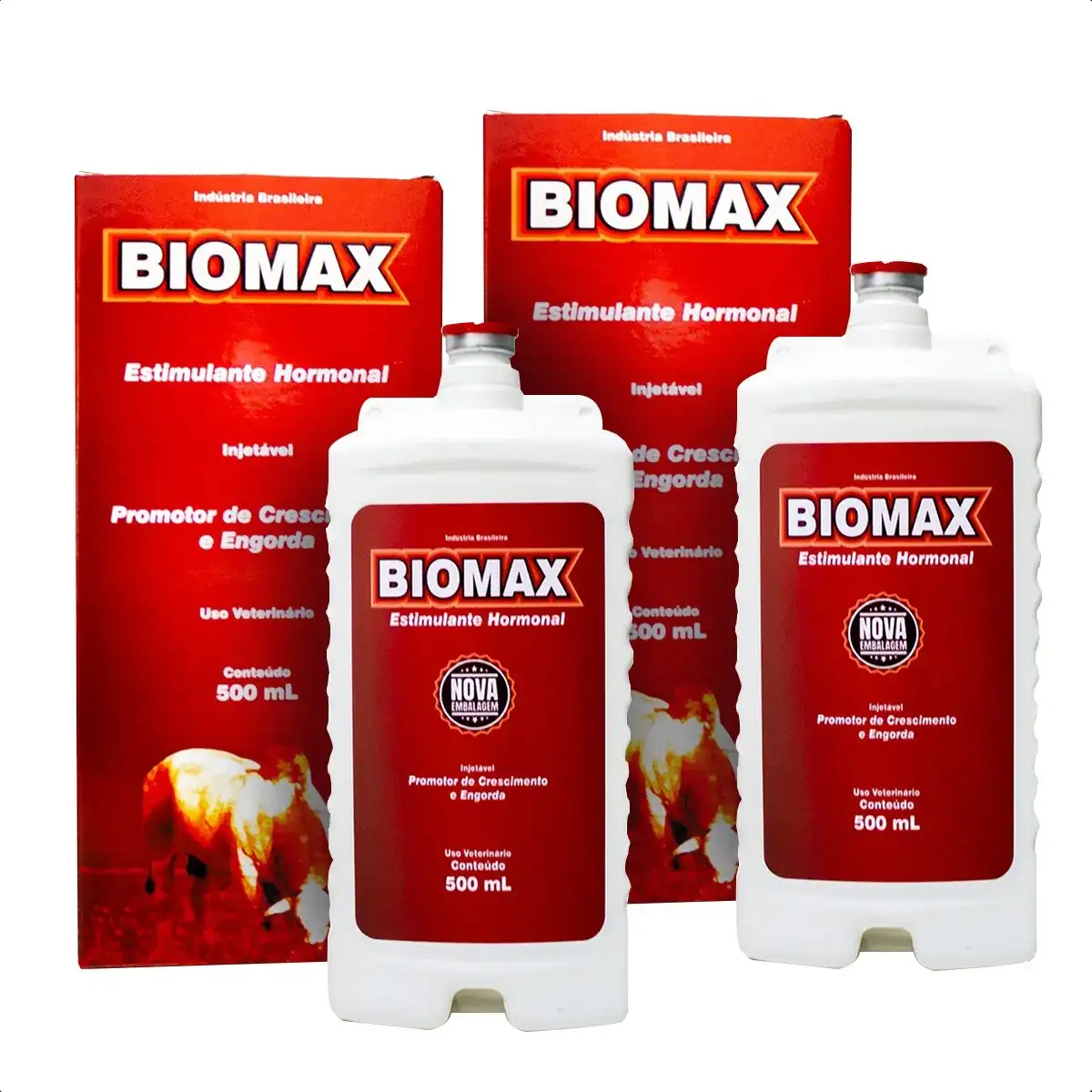
Strategic use of mineral supplements, probiotics, and rumen modifiers enhances digestion and immune resilience in confined cattle. Supplements compensate for deficiencies in agricultural byproduct–based diets common in integrated systems.
Veterinary oversight ensures additives are used safely and legally. Regular herd health checks help detect metabolic issues early, improving overall feed efficiency and animal welfare in confined operations.
Combining targeted supplementation with good management practices delivers consistent gains and supports the sustainability of Cattle Confinement systems.
Anúncios
Waste Recycling and Nutrient Recovery in Confinement
Manure Management and Biofertilizer Production
Proper manure handling converts livestock waste into biofertilizer and biogas feedstock—key elements of the circular cattle farm. Composting, anaerobic digestion, and solid-liquid separation allow nutrients to be recycled back to croplands, improving soil health and closing nutrient loops.
Implementing storage, treatment, and application protocols reduces odor, pathogen risks, and nutrient runoff. Nutrient management plans align application rates with crop needs, preventing over-application and protecting water quality.
Manure-derived fertilizers reduce dependence on synthetic fertilizers and create an additional revenue stream or cost saving for integrated operations.
Energy Recovery from Livestock Waste
Anaerobic digesters convert manure and agroindustrial residues into biogas, which can be used for heat, electricity or upgraded to biomethane. This reduces on-farm energy costs and greenhouse gas emissions, supporting the economics of Cattle Confinement.
Biogas systems vary by scale; small farms can use compact digesters while larger operations may integrate with ethanol plants or local grids. Co-digestion with crop residues increases biogas yields and treatment efficiency.
Revenue from energy sales or reduced fuel purchases improves project payback and strengthens the circularity of integrated livestock systems.
Waste-to-Feed and Material Recovery
Some byproducts from crop and sugar processing can be repurposed as feed after safe processing. Ensuring contaminant control and consistent nutrient content is critical. Material recovery also includes recycling water for cleaning and irrigation after proper treatment.
Adopting closed-loop water and nutrient systems reduces input needs for both livestock and associated crops, aligning with climate-smart agriculture. Monitoring water quality and adhering to regulations prevents environmental harm.
Layering waste-to-feed and recovery systems enhances resilience, resource efficiency and long-term viability of confinement operations.
Treatment
Output
Benefits
Anaerobic digestion
Biogas, digestate
Energy generation, biofertilizer
Composting
Stabilized compost
Soil amendment, pathogen reduction
Ensiling
Preserved feed
Improved digestibility, storage
Design and Infrastructure for Confinement Systems
Housing, Flooring and Animal Welfare
Facility design affects productivity, health and environmental performance in Cattle Confinement. Durable flooring, adequate space per animal, ventilation, and bedding management are essential for welfare and disease control. Good design supports efficient cleaning and manure handling.
Invest in materials that withstand heavy use and minimize injury. Adequate drainage and comfortable resting areas reduce stress and improve feed conversion. Welfare-friendly designs also comply with evolving regulations and market expectations.
Assess layout for workflow efficiency—feed delivery, animal movement and waste removal—reducing labor requirements and operational time.
Automation and Monitoring Technologies
Automation—feed mixers, robotic feeders, climate control and sensors—brings precision and labor savings to confinement systems. Real-time monitoring of temperature, humidity, feed intake and rumination enables early issue detection and performance optimization.
Data platforms integrate herd health records, weight gains and resource use to guide decisions. These technologies help fine-tune the closed loop between feed production, manure treatment, and crop nutrient application.
Implement tech in phases, starting with high-impact components to limit upfront costs and demonstrate returns before wider adoption.
Logistics and On-Farm Processing
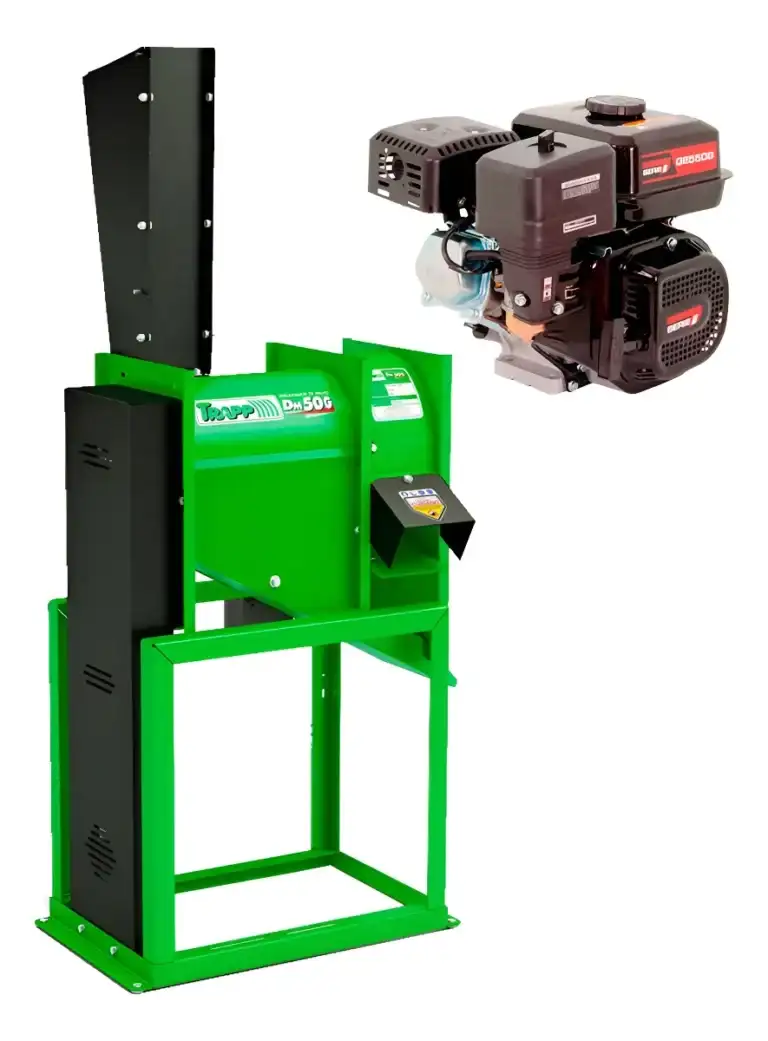
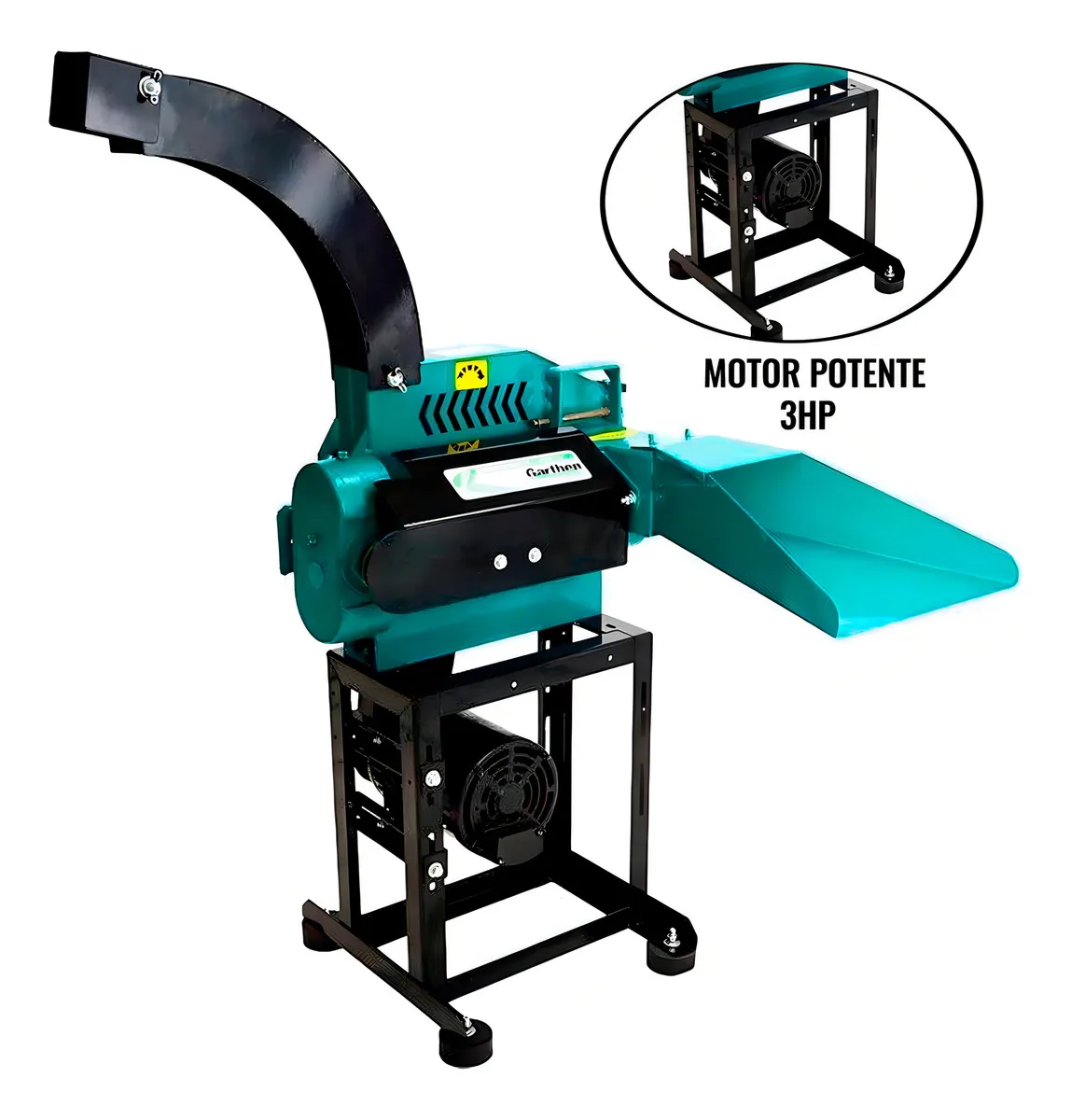
Efficient logistics—feed storage, byproduct collection, treatment plants and transport—are the backbone of integrated Cattle Confinement. On-farm processing (pelleting, drying, ensiling) reduces volume, stabilizes nutrients, and adds value to agroindustrial residues.
Coordinate schedules between crop harvest, sugar/ethanol processing and livestock intake to maintain steady flows. Shared infrastructure with neighboring farms or co-ops can reduce capital costs and improve economies of scale.
Strong logistics planning minimizes losses, optimizes resource use and supports a resilient circular farm economy.
Anúncios
Economics, Policy and Market Integration for Confinement
Cost-Benefit and Financial Planning
Investing in Cattle Confinement requires careful financial modeling: capital costs for housing, digesters and processing equipment, versus long-term savings in feed, fertilizer and energy. Include labor, maintenance, and regulatory compliance in projections.
Look for grants, low-interest loans or partnerships that support renewable energy or waste treatment projects. Scenario analysis helps anticipate market volatility in feed and energy prices and assess payback timelines.
Long-term contracts for energy or fertilizer products can stabilize income and improve bankability of integrated projects.
Policy Incentives and Compliance
Regulations on emissions, nutrient management and animal welfare shape Cattle Confinement implementation. Incentives like renewable energy credits, carbon finance, or agricultural sustainability programs can offset upfront costs.
Stay informed about local permitting for waste treatment and energy projects. Compliance protects your operation from fines and opens market opportunities tied to sustainability certifications and public procurement.
Work with extension services or legal advisors to navigate permitting and tap available incentives from government and international programs.
Market Channels and Value-Added Products
Integrating with ethanol plants, sugar mills or local cooperatives creates stable supplies of byproducts and potential buyers for biofertilizer or energy. Value-added products—pelleted feed, certified organic compost, renewable energy—can fetch premium prices.
Develop branding around sustainable, circular production to access niche markets and consumer-premium channels. Traceability and documentation of circular practices strengthen marketing claims.
Strategic partnerships with processors and distributors expand market reach while improving feed and input security for the confinement operation.
Essential Practices for Circular Cattle Confinement
Map local agroindustrial byproduct streams and seasonal availability.
Set up feed processing and testing before scaling herd size.
Design manure treatment to produce usable biofertilizer and biogas.
Monitor herd performance and environmental indicators continuously.
Develop market links for energy and fertilizer outputs.
Metric
Traditional System
Circular Confinement
Feed cost per kg gain
Higher
Lower
Energy cost
External fuels
Partial on-farm biogas
Fertilizer input
Purchased
Manure-derived
Implementation Roadmap for Cattle Confinement
Assessment and Planning
Begin with a resource audit: feed supplies, byproducts, land for manure application, labor and capital availability. Use this inventory to design an integrated system that aligns with farm goals and regulatory constraints. Early feasibility studies clarify technical and economic viability.
Engage agronomists, animal nutritionists and engineers to model material flows and nutrient balances. This multidisciplinary approach prevents bottlenecks and ensures system coherence.
Set phased milestones—pilot a digestor or feed treatment—before full-scale rollout to de-risk investment and adapt processes based on results.
Pilot Projects and Scaling Up
Start with a pilot unit for feed processing or a small anaerobic digester to validate assumptions. Pilots provide operational data, inform training needs, and demonstrate benefits to lenders or partners, easing access to finance for scaling.
Document performance metrics—feed conversion, energy generation, fertilizer quality—to build a business case. Use learnings to standardize procedures and refine infrastructure requirements for expansion.
Scaling should prioritize modular, replicable components that can be expanded as resource streams and markets grow.
Training, Partnerships and Continuous Improvement
Invest in workforce training on animal welfare, biosecurity, feed formulation and equipment maintenance. Skilled staff are critical to realizing the efficiencies of Cattle Confinement. Knowledge transfer builds resilience within the operation.
Forge partnerships with processors, research institutions and extension services for technology access and market connections. Collaboration accelerates innovation and shares risk.
Implement a continuous improvement cycle—monitor, analyze, adjust—to keep production optimized, compliant and competitive over time.
Conclusion
Cattle Confinement offers a pathway to more productive, lower-cost and lower-emission beef production by closing loops between feed, energy and nutrient cycles. Integrating agroindustrial byproducts, manure treatment and precision management creates economic and environmental value while supporting animal welfare.
Start with a resource audit, pilot key technologies and build partnerships to scale. Embracing circular practices in Cattle Confinement positions farms to meet market demands and regulatory pressures while improving profitability—consider taking the first step today.
FAQ
What is Cattle Confinement and why use it?
Cattle Confinement is an intensive system combining feed, housing and waste recycling. It increases feed efficiency, reduces input costs and enables nutrient recovery, making production more sustainable and profitable.
Can manure-based biogas cover farm energy needs?
Biogas from manure can offset a portion of on-farm energy, often meeting heating or partial electricity needs. Scale and co-digestion with crop residues determine total energy yields.
Are agroindustrial byproducts safe as feed?
Yes, when properly processed and tested. Ensiling, drying or chemical treatments improve safety and digestibility. Nutrient analysis and veterinary oversight are essential to avoid contaminants.
What regulations affect confinement systems?
Regulations cover waste management, emissions, animal welfare and land application of fertilizers. Local permits and nutrient management plans are commonly required to ensure compliance.
How do I finance circular infrastructure?
Financing options include government grants, low-interest loans, public incentives for renewable energy and partnerships with processors. Demonstration pilots and solid business plans improve access to capital.
Edvânia Almeida. Formada em Ciências Contábeis e Pós-graduada em Gestão Financeira: Auditoria e Controladoria pela FGV. Pequena pecuarista e apaixonada pelo Agronegócio e Gestão Estratégica.
Para fornecer as melhores experiências, usamos tecnologias como cookies para armazenar e/ou acessar informações do dispositivo. O consentimento para essas tecnologias nos permitirá processar dados como comportamento de navegação ou IDs exclusivos neste site. Não consentir ou retirar o consentimento pode afetar negativamente certos recursos e funções.
Funcional
Sempre ativo
O armazenamento ou acesso técnico é estritamente necessário para a finalidade legítima de permitir a utilização de um serviço específico explicitamente solicitado pelo assinante ou utilizador, ou com a finalidade exclusiva de efetuar a transmissão de uma comunicação através de uma rede de comunicações eletrónicas.
Preferências
O armazenamento ou acesso técnico é necessário para o propósito legítimo de armazenar preferências que não são solicitadas pelo assinante ou usuário.
Estatísticas
O armazenamento ou acesso técnico que é usado exclusivamente para fins estatísticos.O armazenamento técnico ou acesso que é usado exclusivamente para fins estatísticos anônimos. Sem uma intimação, conformidade voluntária por parte de seu provedor de serviços de Internet ou registros adicionais de terceiros, as informações armazenadas ou recuperadas apenas para esse fim geralmente não podem ser usadas para identificá-lo.
Marketing
O armazenamento ou acesso técnico é necessário para criar perfis de usuário para enviar publicidade ou para rastrear o usuário em um site ou em vários sites para fins de marketing semelhantes.
 Ir para o conteúdo