Mushroom marketing is the set of strategies used to sell fresh mushrooms to chefs, restaurants, and gourmet retailers — it matters because chefs prioritize freshness, traceability, and consistent supply. Start by positioning your product on those chef-focused attributes and building outreach that proves quality and reliability.
Many small growers miss high-value buyers because they focus on commodity channels. This article shows how mushroom marketing targets culinary buyers with pricing models, packaging, seasonal positioning, outreach templates, and chef metrics so you can reach chefs faster and close repeat accounts.
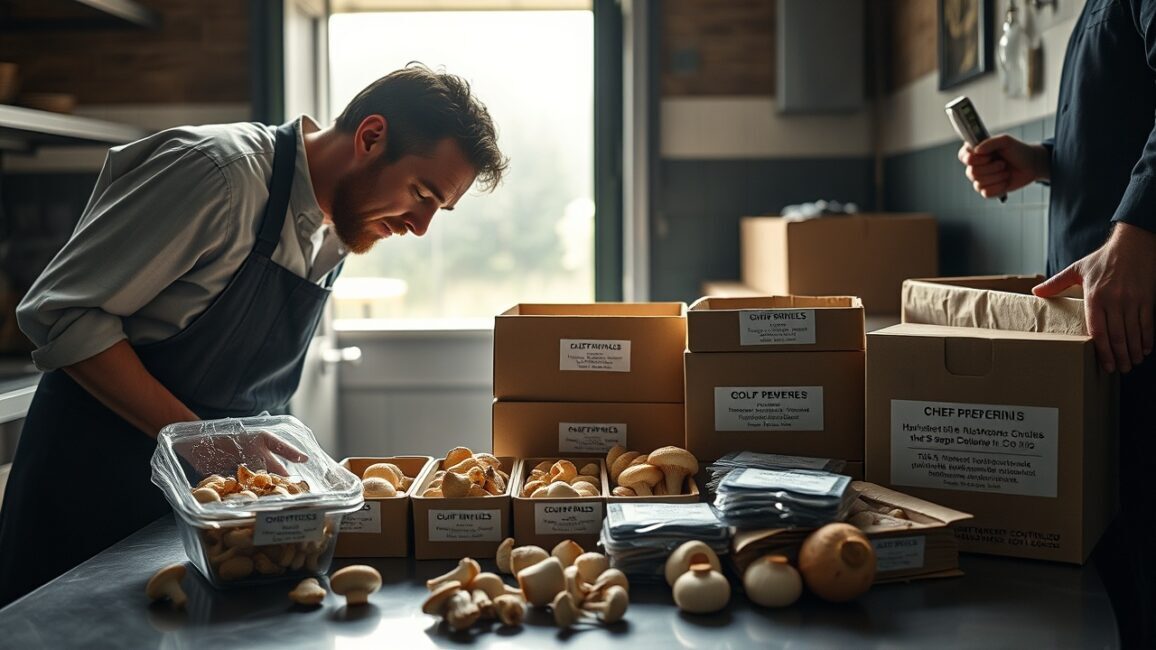
Start by mapping restaurants, caterers, and gourmet shops that use specialty produce. Prioritize venues with seasonal menus, farm-to-table claims, or tasting menus; these buyers value unique mushrooms and consistent supply.
Use local restaurant guides, supplier referrals, and social listening to compile contacts. Label chefs by role—executive, sous, purchasing manager—and note menu styles, price points, and service days to tailor your approach.
Keep a simple CRM or spreadsheet logging contact attempts, sample deliveries, feedback, and order cadence so your mushroom marketing outreach becomes measurable and repeatable.
First-touch Email and Message Templates
Open with a concise value statement: who you are, what mushrooms you grow, and why they matter to the chef. Mention availability, lead time, and an offer to deliver a no-cost sample during service hours.
Follow with a single call-to-action: request a 10–15 minute tasting appointment or permission to drop by with a daily sample. Include a short menu suggestion tied to their cuisine to show you did homework.
Close with clear contact info and a link to a one-page product sheet. Track opens and responses, then call within 48 hours. This sequence turns cold contacts into tasting opportunities.
Building Relationships Through Follow-up
After sampling, request structured feedback: taste, aroma, texture, yield, and preferred pack size. Use that input to fine-tune supply and packaging. Repeat visits build trust and make your brand a reliable source.
Anúncios
Offer short-term trial pricing or consignment to lower risk for chefs experimenting with new mushrooms. Provide prep tips and shelf-life guidance so kitchen staff can integrate the product immediately.
Consistent follow-up—proof of deliveries, quality checks, and seasonal availability notices—cements ongoing orders and strengthens the local reputation essential for successful mushroom marketing.
Anúncios
Pricing Tactics in Mushroom Marketing
Value-based Pricing for Specialty Mushrooms
Price for the kitchen’s perceived value, not just cost-plus. Chefs pay premiums for flavor intensity, consistency, and exclusivity. Quantify the culinary benefit—plate yield, dish price premium, and reduced waste—to justify higher price points.
Segment SKUs: common varieties at competitive rates, rare or hand-harvested mushrooms at premium pricing. Offer tiered rates for volume buys and preferred delivery windows to reward commitment.
Use short-run promotions and limited harvests to maintain margins while introducing chefs to new varieties. Clear invoicing and predictable minimums help chefs forecast menu costs and strengthen purchasing relationships.
Negotiation Scripts and Minimums
Set clear minimum order quantities and lead times; explain production constraints and how seasonal yields affect availability. Use scripts that emphasize quality control and traceability when discussing price-sensitive accounts.
Offer scaled discounts based on consistent weekly orders and seasonal contracts. Show comparative cost-per-plate calculations to make the negotiation more about value than unit price.
Be prepared to walk away from deals that undercut sustainability or margin goals; preserving product integrity protects your local brand and supports long-term mushroom marketing success.
Promotional Pricing and Loss-leaders
Deploy loss-leader strategies sparingly—use free samplings, discounted trial pallets, or chef-focused promo boxes to gain entry. Make offers time-bound and tied to feedback commitments to avoid unsustainable expectations.
Track conversions from promotions to paying accounts, and analyze which varieties drive repeating purchases. Use that data to refine future promotions and seasonal positioning.
Balance short-term customer-acquisition cost with lifetime value projections so promotional efforts feed profitable relationships rather than one-off sales.
Packaging & Logistics for Mushroom Marketing
Chef-preferred Packaging Options
Chefs care about convenience and shelf life. Offer breathable clamshells, paper-lined boxes, or bulk punnets depending on kitchen size. Label with harvest date, variety, and suggested storage conditions for quick trust signals.
Provide prep-ready packs (pre-trimmed, portioned) for high-turn kitchens and bulk loose packs for chefs who prefer to store and portion themselves. Consider compostable or reusable packaging to appeal to sustainable restaurants.
Clear labeling supports traceability and reduces returned product. Packaging choices should align with your mushroom marketing message—freshness, transparency, and chef-friendly handling.
Cold Chain and Delivery Timing
Maintain a reliable cold chain from harvest to handoff. Rapid cooling and temperature-controlled transport extend shelf life and preserve texture and aroma that chefs prize. Communicate expected shelf life clearly.
Offer delivery windows that align with kitchen prep schedules—early morning for prep-heavy establishments, late morning for lunch kitchens. Predictability reduces waste and builds loyalty.
Use delivery confirmations and short quality-check forms to capture real-time feedback. Efficient logistics are a cornerstone of practical mushroom marketing for culinary buyers.
Inventory and Spoilage Control
Implement FIFO harvesting and packing practices. Track daily yields, sell-through rates, and spoilage to set realistic harvest forecasts. Small adjustments in packing size and frequency can markedly reduce waste.
Train pickers and packers on gentle handling; bruised or wet mushrooms shorten usable life. Share shelf-life best practices with chefs to reduce returns and improve perceived quality.
Regularly review inventory KPIs and adjust pricing or promotions for near-expiry stock. Smart inventory control protects margins and supports consistent kitchen supply in mushroom marketing.
Anúncios
Seasonal Positioning and Crop Calendar in Mushroom Marketing
Mapping Seasonality and Product Windows
Create a crop calendar showing peak and off-peak varieties, yield expectations, and substitution options. Share this with chefs so they can plan menus and specials around your availability.
Use seasonality as a marketing tool—promote spring morels, autumn chanterelles, or shiitake flushes with menu pairing suggestions. Scarcity can drive demand when communicated properly.
Coordinate planting and harvest schedules to smooth supply during high-demand windows, and communicate delays proactively to maintain trust with culinary partners in your mushroom marketing network.
Menu Integration and Promotional Timing
Provide chefs with ready-to-use menu blurbs, plating suggestions, and portion yields for seasonal mushrooms. Offer tasting flights for staff to accelerate adoption and menu rollout.
Time promotions around local food events, holidays, and chef competitions. Aligning availability with culinary calendars increases the chance of being featured on high-visibility menus.
Document case studies of dishes featuring seasonal mushrooms to show measurable menu lift. These proofs help chefs visualize commercial benefits and support sustained orders.
Crop Diversification Strategies
Diversify varieties to spread risk and provide chefs with consistent options year-round. Growing multiple species on staggered schedules reduces the impact of a single crop failure.
Partner with nearby growers to create cooperative supply pools for off-peak shortages. Joint branding can expand your reach while maintaining freshness and local provenance.
Use diversification as a selling point in mushroom marketing: stable supply, varied textures and flavors, and reduced single-crop exposure for restaurant buyers.
Brand Partnerships and Local Positioning in Mushroom Marketing
Working with Local Farms and Suppliers
Forge partnerships with farmers who grow complementary produce (greens, herbs, root vegetables) to create bundled offers for chefs. Bundles reduce procurement complexity and increase order value.
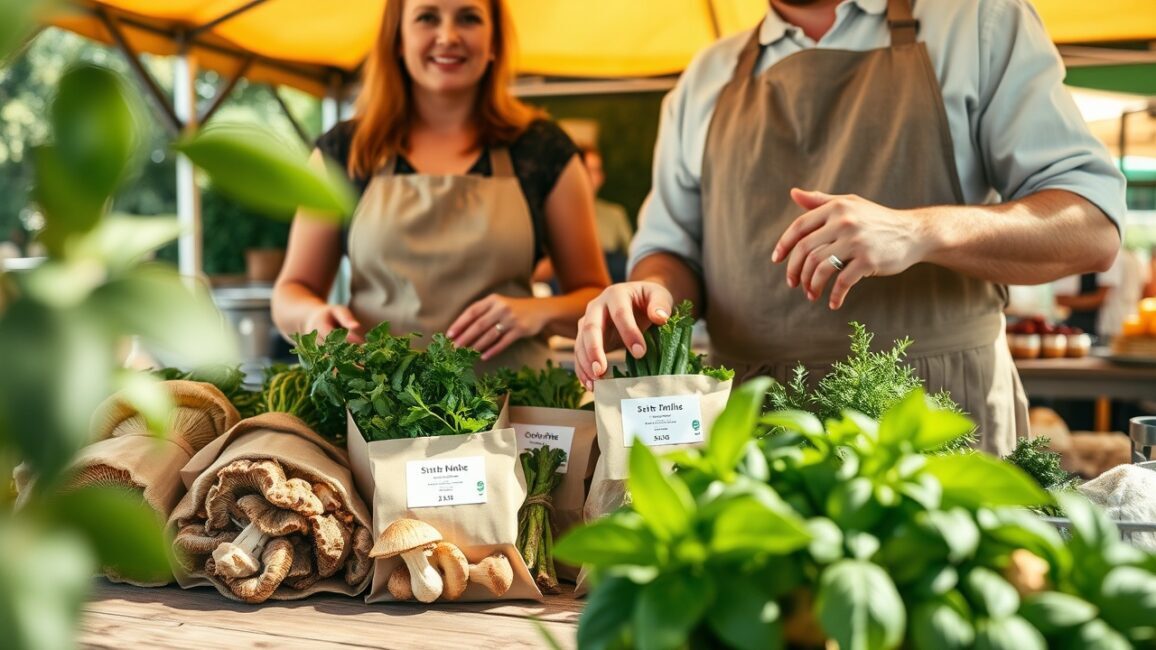
Joint marketing—co-branded farm dinners, CSA inclusions for restaurants, or shared booths at farmers markets—boosts visibility and positions your mushrooms within a local flavor story.
Highlighting these partnerships in sales pitches and packaging supports traceability and appeals to chefs who prioritize local sourcing in their mushroom marketing decisions.
Retail and Gourmet Shop Collaboration
Create chef-focused retail packs with clear cook-by dates and recipe cards.
Train retail staff on how chefs use each variety to drive retail-to-kitchen referrals.
Run in-store tastings for culinary buyers during off-hours to convert retail exposure into wholesale leads.
Cross-promote with artisan producers to appear in gift baskets or holiday chef boxes.
These collaborations widen exposure to tasting chefs and specialty retailers, creating multiple discovery paths for your mushroom marketing efforts.
Document retail-to-restaurant conversions to show ROI for partners and iterate on pack formats or pricing to better serve culinary buyers.
Leverage Local Food Media and Events
Host chef nights, farm tours, and harvest events that invite media and culinary influencers. Positive coverage amplifies your reputation and drives inbound inquiries from chefs.
Submit samples to local contests, collaborate with culinary schools for training modules, and sponsor menu challenges to keep your brand top-of-mind among professionals.
Consistent presence at food events and in local press is a force multiplier for mushroom marketing—visibility increases perceived value and demand among chefs and specialty retailers.
Quality Metrics and Chef-focused Product Data in Mushroom Marketing
Metrics Chefs Care About and How to Present Them
Chefs evaluate color, aroma, firmness, dry matter, and contamination rates. Present these metrics on spec sheets: harvest date, days since harvest, optimum storage temperature, and expected plate yield.
Include simple lab or in-house test results when available—microbial counts, moisture percentage, and traceability codes—so chefs can assess food safety and consistency quickly.
Providing transparent, chef-focused data builds credibility and speeds purchasing decisions. These metrics are central to any serious mushroom marketing conversation.
Quality Control and Sampling Protocols
Implement batch tagging and routine quality audits. Offer chefs batch-level info with samples so they can replicate results in their kitchens. Consistency in sampling reduces hesitation to switch suppliers.
Train delivery staff on visual checks and proper handling at drop-off. A consistent handoff routine preserves product condition and reinforces your reputation for reliability.
Use feedback loops from chefs to adjust harvest timing and handling methods. Continuous QC improvements translate into stronger, longer-term wholesale relationships under your mushroom marketing plan.
Visuals, Spec Sheets, and Chef Resources
Resource
Purpose
Spec sheet
Quick reference for quality, shelf life, and handling
Prep guide
Reduces kitchen onboarding time
Recipe pairings
Demonstrates menu applications and value
Provide downloadable resources and quick videos demonstrating cleaning, trimming, and yield estimates. These resources lower the friction for adoption and are essential assets for effective mushroom marketing.
Sales Enablement and Scalable Processes in Mushroom Marketing
Repeatable Sales Playbook
Document your best outreach sequences, pricing tiers, sample offers, and onboarding steps into a playbook that can be followed by staff or partners. A standardized approach ensures consistent chef experiences.
Include templates for emails, delivery notes, and feedback forms. Track conversion rates from sample to recurring orders so the playbook evolves with what works.
Scaling without losing quality is the aim: a documented mushroom marketing playbook makes training faster and outcomes more predictable across accounts.
Adopt simple tools—a shared spreadsheet, lightweight CRM, or producer-platform—to manage orders, deliveries, and invoices. Automate confirmations and follow-ups to reduce administrative load.
Integrate ordering with inventory and harvest schedules to avoid overpromising. Even basic automation improves reliability and chef satisfaction.
Choose tools that allow notes on chef preferences, pack sizes, and delivery windows so personalized service scales along with volume in your mushroom marketing operations.
KPIs and Continuous Improvement
KPI
Target
Frequency
Order conversion rate
20–35%
Monthly
On-time delivery
95%+
Weekly
Return rate
<5%
Monthly
Review KPIs regularly with the team and with key chef accounts. Use data to refine packaging, pricing, and promotional tactics and to strengthen the overall mushroom marketing cycle.
Conclusion
Effective mushroom marketing combines chef-focused outreach, transparent quality metrics, predictable logistics, and smart pricing to convert trials into repeat kitchen accounts. Prioritize sampling, clear spec sheets, and reliable delivery to make chefs confident in your supply.
Use the playbook, seasonal planning, and local partnerships described here to scale relationships without sacrificing quality. Start small with targeted outreach, measure conversions, and iterate—your mushroom marketing can become a dependable revenue stream for your farm or business.
How Do I Approach a Chef with Samples?
Begin with a concise message outlining your farm, the mushroom varieties you grow, and immediate availability. Offer a no-cost tasting arranged around their prep schedule—early morning or between service shifts—so it won’t disrupt the kitchen. Deliver a small, well-labeled sample with a one-page spec sheet showing harvest date, storage recommendations, and suggested uses. Ask for five-minute feedback afterwards and offer flexible trial pricing. This respectful, low-friction approach emphasizes value and convenience, increasing the chance chefs will try and then reorder from your mushroom marketing program.
Chefs typically prefer breathable, transparent clamshells or paper-lined punnets labeled with harvest date, variety, and storage instructions. For high-volume kitchens, bulk corrugated boxes with separated layers or portioned paper wraps are useful. Compostable or recyclable options are increasingly favored by sustainable restaurants. Clear labeling that includes suggested shelf life and prep tips reduces uncertainty and returns. Packaging that simplifies handling, preserves texture, and communicates traceability supports faster purchasing decisions and demonstrates your attention to culinary needs in mushroom marketing.
How Should I Set Pricing for Restaurant Accounts?
Use value-based pricing: calculate the culinary benefit—plate yield, reduced waste, and enhanced menu pricing—rather than just cost-plus. Offer tiered pricing for different volumes and stable weekly contracts, and provide limited promotional pricing or consignment trials for new accounts. Clearly state minimum order quantities and delivery days. Present simple per-plate cost comparisons versus alternative ingredients to show economic advantage. Transparent, predictable pricing with volume incentives builds trust and helps restaurants budget, making your mushroom marketing proposition more attractive.
What Metrics Should I Include on a Spec Sheet?
Include harvest date, recommended storage temperature, expected shelf life, visual quality notes (color, firmness), and basic microbiological or moisture data if available. Add portion yield estimates and suggested menu uses so chefs can immediately plan dishes. Batch or lot codes for traceability, handling instructions, and contact details for quick quality concerns are critical. A concise spec sheet that answers operational and culinary questions removes friction, reassures chefs on safety and consistency, and accelerates buying decisions for your mushroom marketing efforts.
How Can I Maintain Supply Consistency During Peak Demand?
Plan planting and harvest cycles using a crop calendar and staggered production to smooth peaks. Diversify varieties and partner with nearby growers to create a pooled supply for critical windows. Communicate lead times and seasonal fluctuations to chefs early, and offer alternative varieties as backups. Maintain a buffer inventory when feasible and prioritize high-value accounts during shortfalls using transparent allocation rules. Investing in coordination, shared forecasting, and cooperative relationships reduces stockouts and strengthens trust—key elements in scaling effective mushroom marketing.
Edvânia Almeida. Formada em Ciências Contábeis e Pós-graduada em Gestão Financeira: Auditoria e Controladoria pela FGV. Pequena pecuarista e apaixonada pelo Agronegócio e Gestão Estratégica.
Para fornecer as melhores experiências, usamos tecnologias como cookies para armazenar e/ou acessar informações do dispositivo. O consentimento para essas tecnologias nos permitirá processar dados como comportamento de navegação ou IDs exclusivos neste site. Não consentir ou retirar o consentimento pode afetar negativamente certos recursos e funções.
Funcional
Sempre ativo
O armazenamento ou acesso técnico é estritamente necessário para a finalidade legítima de permitir a utilização de um serviço específico explicitamente solicitado pelo assinante ou utilizador, ou com a finalidade exclusiva de efetuar a transmissão de uma comunicação através de uma rede de comunicações eletrónicas.
Preferências
O armazenamento ou acesso técnico é necessário para o propósito legítimo de armazenar preferências que não são solicitadas pelo assinante ou usuário.
Estatísticas
O armazenamento ou acesso técnico que é usado exclusivamente para fins estatísticos.O armazenamento técnico ou acesso que é usado exclusivamente para fins estatísticos anônimos. Sem uma intimação, conformidade voluntária por parte de seu provedor de serviços de Internet ou registros adicionais de terceiros, as informações armazenadas ou recuperadas apenas para esse fim geralmente não podem ser usadas para identificá-lo.
Marketing
O armazenamento ou acesso técnico é necessário para criar perfis de usuário para enviar publicidade ou para rastrear o usuário em um site ou em vários sites para fins de marketing semelhantes.
 Ir para o conteúdo