Small-scale cultivation is about growing crops or producing livestock on limited land efficiently. It matters because producers under 1,000 m² can significantly boost yields and cut costs by optimizing space, inputs, and workflows. To start, assess your plot, prioritize high-value crops or animals, and adopt low-cost, efficient cultivation techniques that match your goals.
Producers face space constraints, rising input prices, and waste management challenges that make profitability hard on small plots. This article addresses those pain points with practical solutions—space-efficient shelving, simple climate control hacks, batch scheduling, substrate reuse, waste reduction, basic biosecurity, and quality checks—so you can increase yield while minimizing costs and labor.
Below you’ll find seven focused sections covering methods, tools, and workflows tailored for small-scale cultivation, each with actionable steps, comparative tables, and recommended resources to implement improvements immediately.
Compact Systems for Small-scale Cultivation: Vertical and Modular Designs
Maximizing Vertical Space with Shelving and Racks
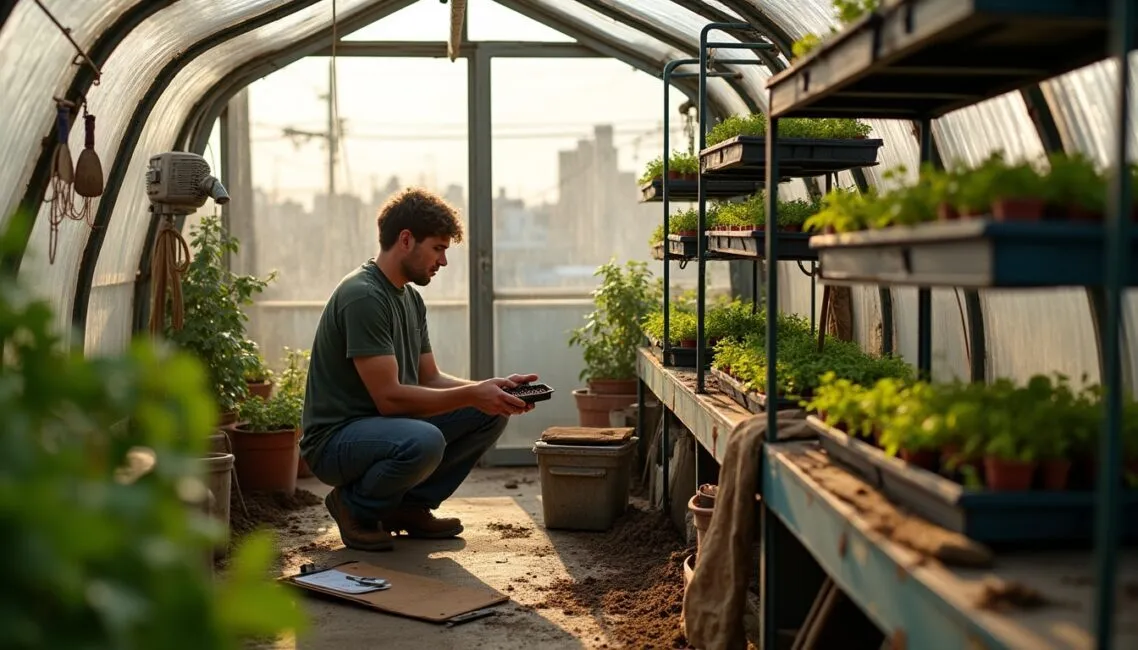
Using vertical shelving systems transforms a small footprint into multiple productive layers, ideal for seedlings, herbs, and mushroom racks. Metal or treated timber shelves with adjustable trays let you adapt spacing for different crop heights, improving light distribution and airflow. Shelving reduces ground-level pest exposure and simplifies irrigation runs, enabling automated or manual drip lines to serve many containers efficiently. Adding caster wheels or modular units makes seasonal rearrangement practical and keeps workflows ergonomic.
Modular Beds and Movable Containers for Flexibility
Modular raised beds and container systems allow reconfiguration based on crop rotation and microclimate needs. Lightweight, stackable containers aid crop succession planning and make it easier to implement crop-specific substrates or amendments. Mobility supports targeted pest management, temporary shade, or relocation indoors during extreme weather. This adaptability supports continuous production cycles and reduces downtime when transitioning between crops.
Low-cost Materials and DIY Shelving Builds
Constructing DIY shelving from reclaimed pallets, PVC, or locally sourced timber lowers capital costs while maintaining durability. Prioritize corrosion-resistant fasteners and non-toxic finishes when growing edibles. Simple designs with slatted shelves improve drainage and airflow, and layered drip trays capture runoff for reuse. DIY builds encourage incremental upgrades and community sharing of designs to spread best practices among small-scale cultivators.
Anúncios
Climate Control Hacks for Small-scale Cultivation Environments
Passive Temperature and Humidity Regulation Strategies
Install thermal mass (water barrels) to stabilize night temperatures
Use shade cloths and reflective mulches to reduce daytime heat
Ventilate using low-cost solar or battery fans for airflow
Employ evaporative cooling pads in dry climates for humidity control
Passive climate techniques reduce reliance on grid power and expensive HVAC systems, which is essential for producers under 1,000 m². Thermal mass absorbs heat during the day and releases it at night, smoothing microclimate swings and protecting tender plants. Shade cloths tuned to crop light requirements cut heat stress while maintaining photosynthesis. Simple ventilation strategies—louvered vents, low-power fans, and cross-ventilation—mitigate humidity buildup and fungal risk without high energy costs.
Simple Heating and Cooling Hacks with Low Operating Costs
For small-scale operations, low-energy heaters, compost-heat piping, and insulated hoop houses can keep crops within optimal ranges. Composting generates usable heat for seedling beds when piped under raised trays. In temperate months, clear plastic cloches or row covers extend seasons cheaply. For cooling, pairing shade cloth with targeted misting or evaporative coolers reduces canopy temperatures effectively while conserving water through scheduled use.
Affordable sensors for temperature, humidity, and soil moisture help fine-tune interventions and avoid wasting inputs. Wireless or Bluetooth loggers send data to phones, enabling quick adjustments to ventilation, irrigation, or shading. Regular monitoring identifies trends and prevents issues like mold or heat stress before they impact yield. Investing in simple sensor kits pays back through reduced crop losses and optimized resource use.
Method
Upfront Cost
Best Use
Shade cloth
Low
Heat protection for seedlings and herbs
Thermal mass barrels
Low–Medium
Night temperature stabilization
Evaporative cooler
Medium
Cooling in dry climates
Batch Scheduling and Workflow Optimization for Small-scale Cultivation
Planning Production Cycles and Succession Planting
Map a 12-week rolling schedule for key crops
Stagger sowing to ensure continuous harvests
Reserve space for a fraction of crops as backup or seed stock
Match cycle lengths to market demand and labor availability
Document timings to refine schedules seasonally
Effective batch scheduling increases throughput and evens labor peaks. Successive planting reduces empty bench days and smooths cash flow by ensuring steady harvest volumes. Aligning crop cycles with your workforce and market windows minimizes waste from surpluses and spoilage. Use simple spreadsheets or free farm management apps to visualize rotations and prevent overlaps that overload space or resources.
Workflows for Seeding, Transplanting, and Harvesting
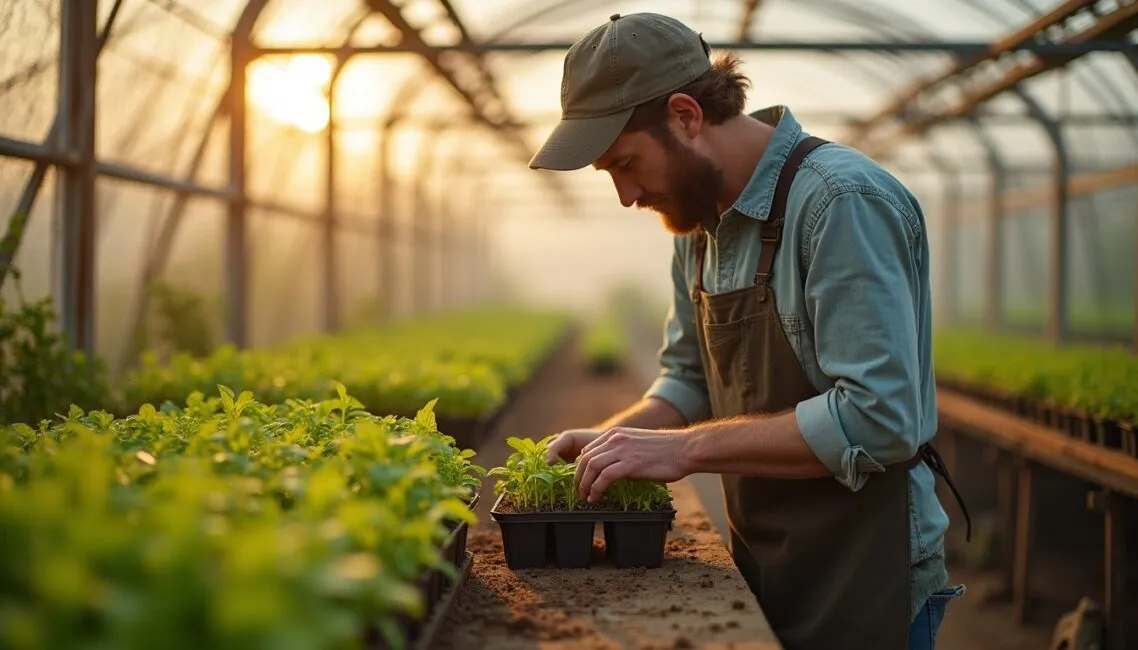
Optimizing bench layout and task sequencing reduces time per plant and limits handling stress. Group tasks by zone—seeding, hardening, transplant, harvest—so tools and supplies stay organized. Batch processing (e.g., seeding multiple trays at once or harvesting the same crop across beds sequentially) leverages muscle memory and reduces setup time. Labeling and SOPs for each stage keep quality consistent and ease training for helpers.
Labor-saving Tools and Simple Mechanization
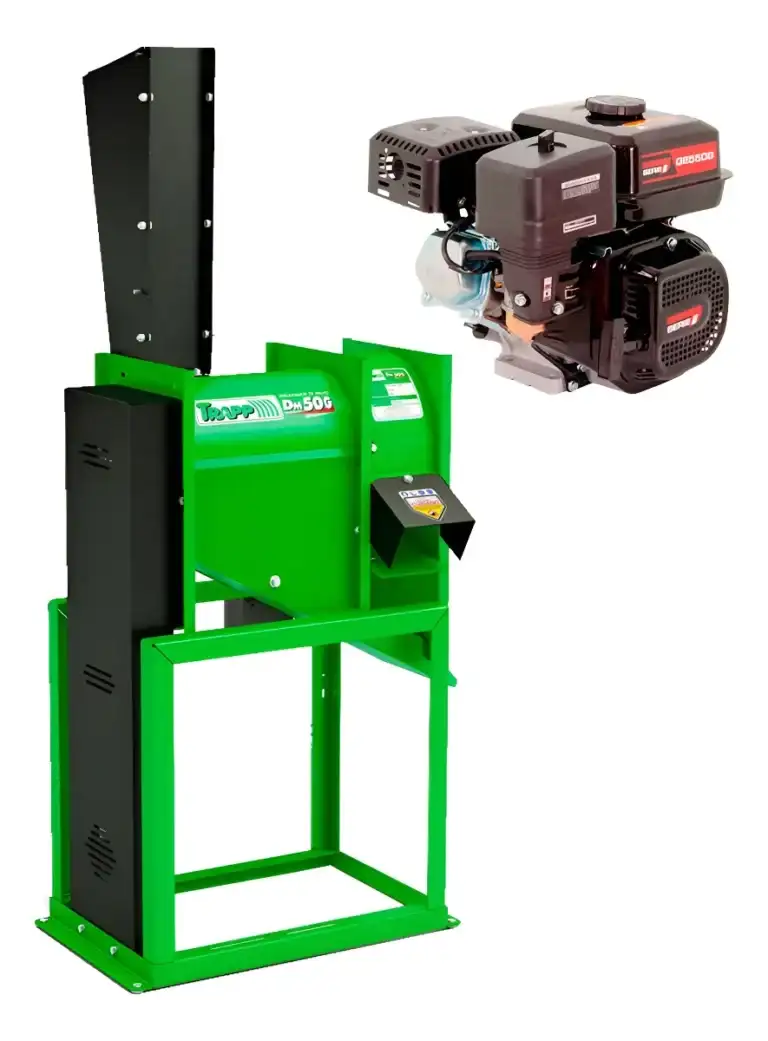
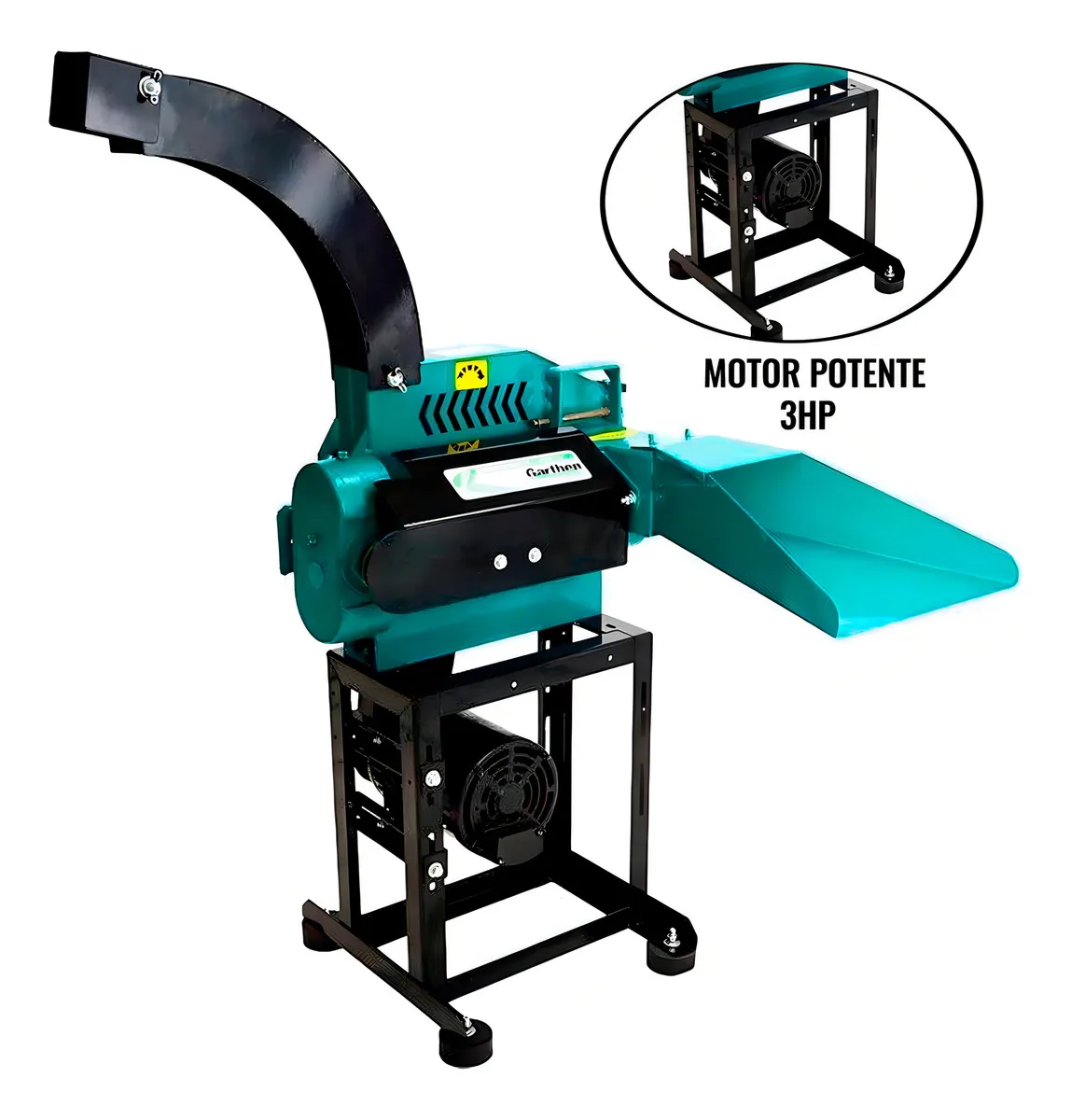
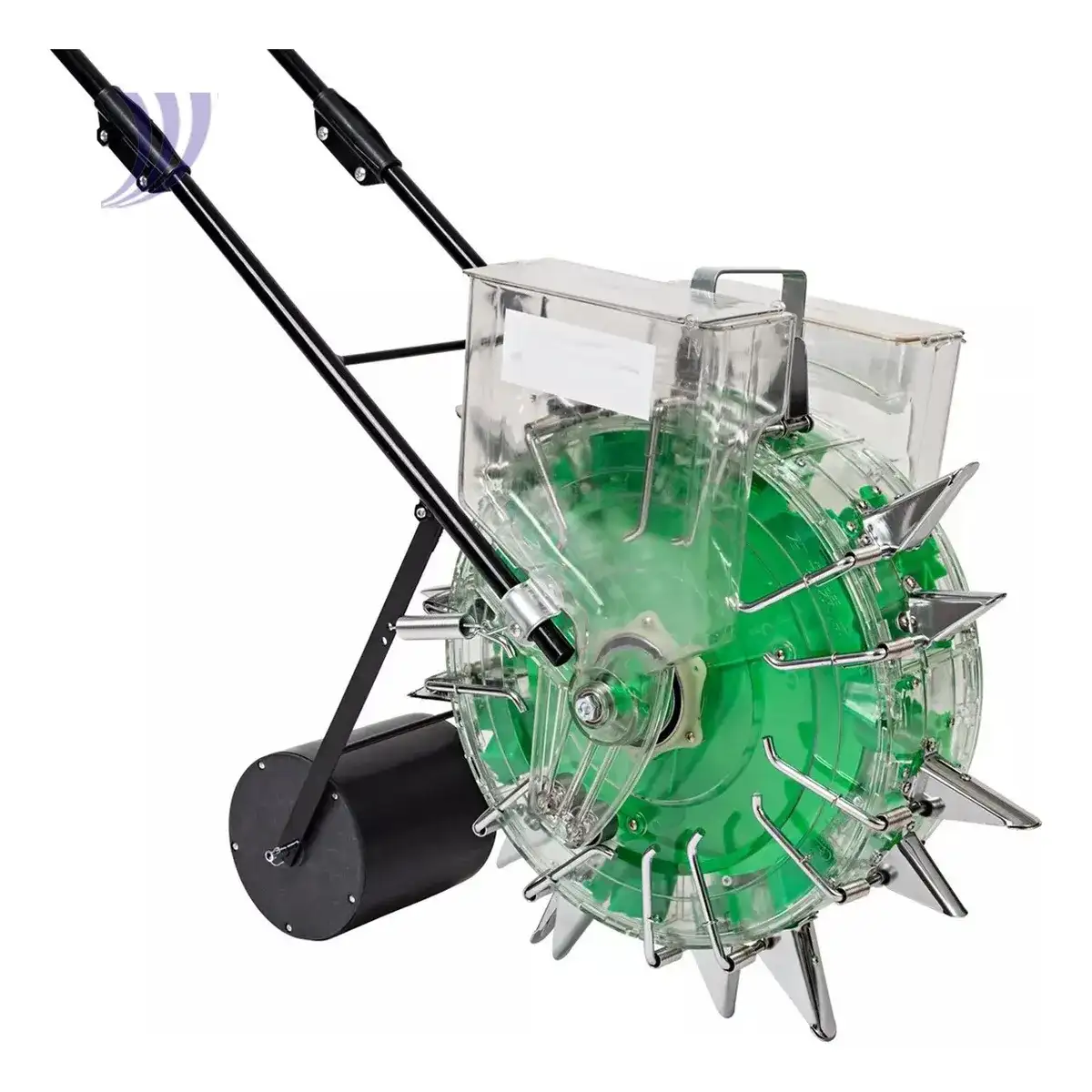
Small mechanization investments—hand-held transplanters, compact potting machines, or push seeders—can multiply labor efficiency without large capital. Prioritize tools that reduce repetitive strain and increase throughput for high-frequency tasks. Combine mechanization with ergonomic benches and wheeled carts to keep workflows smooth and reduce time spent transporting materials across the site.
Anúncios
Substrate Reuse and Nutrient Recycling in Small-scale Cultivation
Safe Reuse of Growing Media and Compost Strategies
Strip old roots and solarize spent substrate before reuse
Blend with fresh compost at 20–40% to restore structure
Use vermicompost and microbial inoculants to rebuild biology
Monitor pH and EC after reuse to adjust fertility
Rotate substrate use to prevent disease buildup
Allocate a composting area for on-site waste conversion
Reusing substrate reduces input costs and landfill waste but requires steps to avoid disease carryover. Solarization, pasteurization, or hot composting kill many pathogens before mixing reused media with fresh amendments. Adding organic matter and beneficial microbes restores nutrient cycling and structure. Test the media occasionally for salt buildup and adjust fertilization to account for residual nutrients.
On-site Composting and Nutrient Loops
Composting kitchen scraps, garden residues, and crop trimmings creates a steady source of organic fertilizer and soil conditioner. Turn piles regularly to maintain aerobic conditions and achieve stable compost faster. For small-scale operations, worm bins and bokashi systems accelerate decomposition in limited spaces. Use finished compost as mulch or potting mix amendment to close nutrient loops and reduce purchased fertilizer dependence.
Liquid Fertilizers and Foliar Feeds from Recycled Inputs
Compost teas and diluted liquid fertilizers derived from plant waste provide quick, low-cost nutrient boosts. Brew teas under oxygenated conditions to favor beneficial microbes and apply them as foliar sprays or root drench. Keep records of application rates and crop responses to avoid nutrient imbalances. These practices enhance plant health while making efficient use of on-site biomass.
Minimizing Post-harvest Losses and Packaging Waste
Harvest at optimal maturity to reduce spoilage
Use reusable crates and breathable packaging
Implement quick-cool steps for perishable crops
Reducing post-harvest loss increases net yield and income without expanding production. Simple cooling—shade, evaporative coolers, or cold water baths—extends shelf life. Reusable containers and minimal packaging cut costs and appeal to eco-conscious buyers. Track loss rates to identify critical points—harvest timing, handling, or transport—and address them with targeted interventions.
On-site Processing to Add Value
Small-scale processing—washing, trimming, drying, or simple preserves—adds value and lengthens market windows. For example, dehydrating herbs or making pickles from surplus vegetables prevents waste and creates higher-margin products. Keep food safety practices simple but strict: cleanable surfaces, proper storage, and clear labeling maintain quality and compliance with local regulations.
Resource-efficient Water and Energy Use
Rainwater harvesting, drip irrigation, and timed pumps conserve water and reduce operating costs. Pairing solar panels with battery backups can power fans, sensors, or lights with low ongoing expenses, particularly where grid reliability or costs are issues. Tracking consumption helps prioritize investments that yield meaningful cost savings.
Biosecurity Basics and Simple Quality Checks
Essential Biosecurity Steps for Small-scale Sites
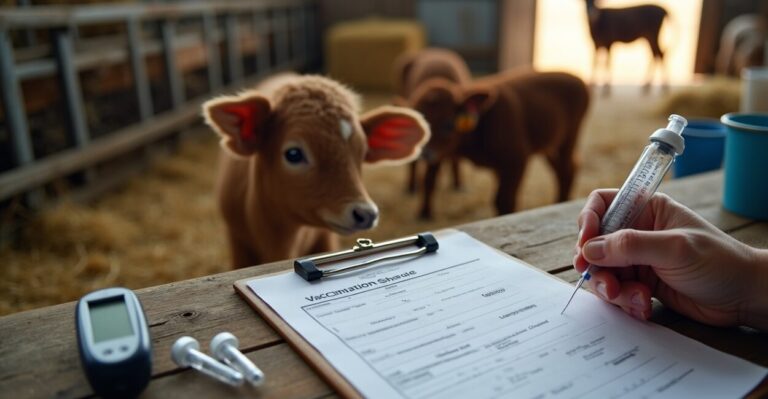
Implement basic biosecurity to prevent pests and disease from reducing yields: control access to production areas, clean tools and footwear between zones, and quarantine new plants or stock. Simple footbaths, clean benches, and sanitized containers interrupt pathogen transmission paths. Staff and visitors should follow protocols to minimize risk; these measures are low-cost yet highly effective for maintaining consistent output.
Routine Inspection and Simple Disease Diagnostics
Regular visual inspections catch early signs of nutrient deficiency, pests, or disease. Maintain a checklist that includes leaf color, vigor, root health, and drainage. For ambiguous issues, inexpensive field tests or photos sent to extension services or online forums help identify problems quickly. Early detection reduces the need for costly chemical interventions and preserves yields.
Quality Control Checkpoints to Maintain Market Standards
Set clear quality standards for size, cleanliness, and packaging to meet customer expectations and reduce rejects. Implement simple checkpoints—pre-harvest ripeness criteria, post-harvest trimming standards, and packing inspections—to ensure consistency. Training workers on these standards improves efficiency and builds buyer trust, enabling better prices and repeat business.
Scaling Profitability: Market Alignment and Low-cost Marketing
Aligning Production with Local Market Demand
Small-scale cultivation becomes profitable when production matches market needs. Conduct quick market scans—farmers markets, restaurants, and community-supported agriculture (CSA)—to identify high-value crops with stable demand. Focus on niche varieties, quality, and freshness rather than competing on commodity volumes. Direct marketing reduces intermediaries and preserves margins for producers under 1,000 m².
Low-cost Branding and Direct Sales Strategies
Use social media, local directories, and simple signage to attract customers without heavy ad spend. Packaging that communicates freshness and sustainability justifies premium prices. Offer subscriptions, bundles, or harvest-day notifications to build loyalty. Partnering with local chefs or retailers for trial runs can create steady demand and word-of-mouth referrals.
Record-keeping and Simple Financial Controls
Track inputs, labor, yields, and sales to identify profitable crops and eliminate loss-making lines. Simple spreadsheets or free farm accounting tools show where to cut costs or invest for better returns. Regularly review margins per square meter to decide whether to scale a crop, discontinue it, or adjust practices to improve profitability.
Conclusion
Small-scale cultivation can be transformed into a low-cost, efficient enterprise by optimizing space, recycling inputs, and adopting simple climate and biosecurity measures. Applying batch scheduling, modular systems, and targeted processing reduces waste and increases yield for producers operating under 1,000 m².
Use the strategies in this article—vertical shelving, passive climate hacks, substrate reuse, and quality control—to lower input costs and improve market readiness. Start with small changes, track results, and scale the methods that deliver the best returns for your small-scale cultivation operation.
FAQ
What Are the First Steps to Start Small-scale Cultivation Efficiently?
Begin by mapping your available space and selecting high-value crops or breeds suited to your land and market. Set simple goals for yield and cash flow, then implement one or two efficiency measures—vertical shelving, composting, or succession planting. Monitor results closely and adjust schedules and inputs to refine resource use and labor allocation.
How Can I Control Pests and Diseases Affordably on a Small Plot?
Prioritize prevention: clean tools, isolate new plants, and maintain good airflow and sanitation. Use cultural controls like crop rotation, resistant varieties, and timely pruning. Introduce beneficial insects or biologicals when appropriate, and resort to targeted treatments only after accurate diagnosis to minimize cost and impact on beneficial organisms.
Is Substrate Reuse Safe, and How Do I Do It Correctly?
Substrate reuse is safe when you remove old roots, solarize or pasteurize spent media, and blend with fresh compost and amendments. Monitor for salts, pH, and residual pathogens. Rotating reused substrate and applying beneficial microbial inoculants helps restore biological activity and reduces disease risk over time.
What Low-cost Climate Hacks Work Best for Small Growers?
Use shade cloths, thermal mass (water barrels), and increased ventilation to moderate temperature and humidity. Compost heat can warm seedling areas, while evaporative cooling aids in dry climates. Affordable sensors guide when to deploy these tactics, ensuring minimal energy use and better crop resilience.
How Do I Market Products from a Small-scale Cultivation Operation?
Focus on direct channels: farmers markets, CSAs, local restaurants, and social media to reach customers. Emphasize freshness, sustainability, and traceability to command better prices. Offer consistent quality, small-batch specialties, and subscription options to build loyal customers and steady revenue streams.
Edvânia Almeida. Formada em Ciências Contábeis e Pós-graduada em Gestão Financeira: Auditoria e Controladoria pela FGV. Pequena pecuarista e apaixonada pelo Agronegócio e Gestão Estratégica.
Para fornecer as melhores experiências, usamos tecnologias como cookies para armazenar e/ou acessar informações do dispositivo. O consentimento para essas tecnologias nos permitirá processar dados como comportamento de navegação ou IDs exclusivos neste site. Não consentir ou retirar o consentimento pode afetar negativamente certos recursos e funções.
Funcional
Sempre ativo
O armazenamento ou acesso técnico é estritamente necessário para a finalidade legítima de permitir a utilização de um serviço específico explicitamente solicitado pelo assinante ou utilizador, ou com a finalidade exclusiva de efetuar a transmissão de uma comunicação através de uma rede de comunicações eletrónicas.
Preferências
O armazenamento ou acesso técnico é necessário para o propósito legítimo de armazenar preferências que não são solicitadas pelo assinante ou usuário.
Estatísticas
O armazenamento ou acesso técnico que é usado exclusivamente para fins estatísticos.O armazenamento técnico ou acesso que é usado exclusivamente para fins estatísticos anônimos. Sem uma intimação, conformidade voluntária por parte de seu provedor de serviços de Internet ou registros adicionais de terceiros, as informações armazenadas ou recuperadas apenas para esse fim geralmente não podem ser usadas para identificá-lo.
Marketing
O armazenamento ou acesso técnico é necessário para criar perfis de usuário para enviar publicidade ou para rastrear o usuário em um site ou em vários sites para fins de marketing semelhantes.