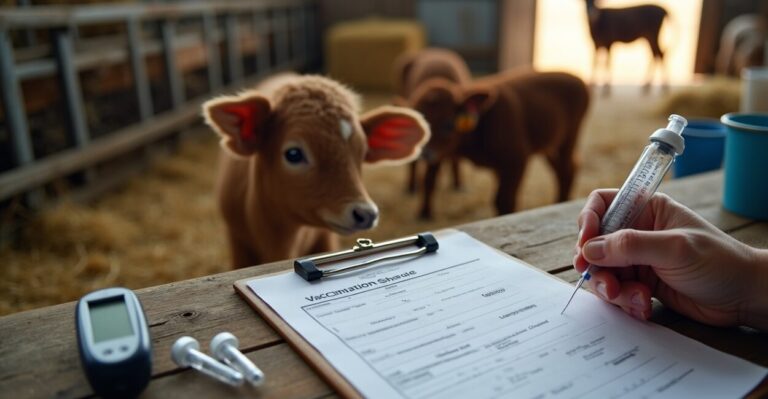
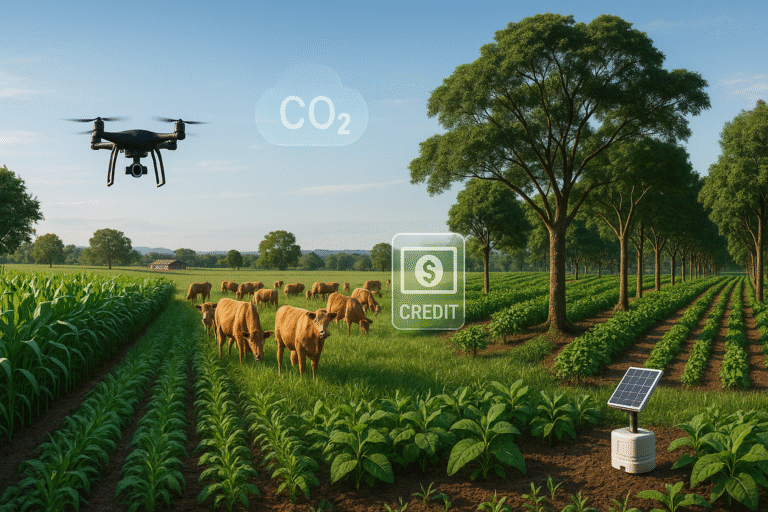
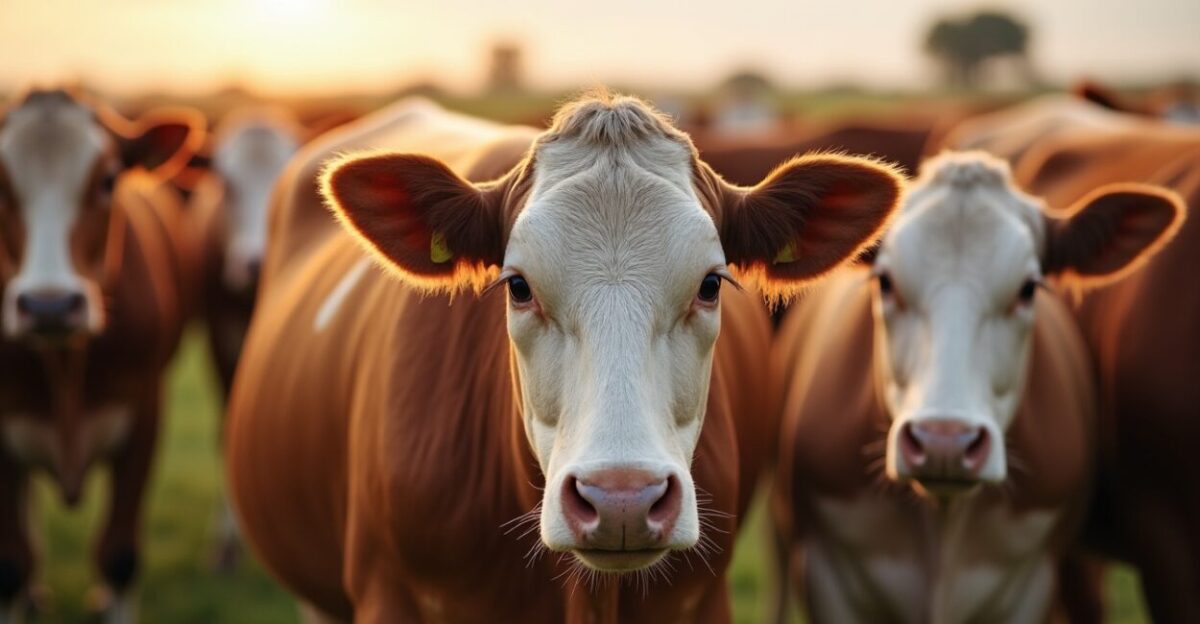
Embrapa Acre reports that the introduction of the forage peanut (Arachis pintoi cv. Belomonte) into Amazonian pastures increased productivity by 51.57% between initial adoption and 2015. The result stems from adoption across six states in the Legal Amazon, with active implementation beginning in 2001 and significant expansion through 2015. Researchers and producers in Acre, Amapá, Amazonas, Pará, Mato Grosso and Rondônia drove the uptake of this consortia technology.
Field trials and on-farm adoption show that the forage peanut improves soil fertility via biological nitrogen fixation and enables higher animal weight gains and carrying capacity. Producers report lower input costs from reduced synthetic nitrogen fertilizer use and earlier slaughter ages for finished cattle. The technology thereby delivers environmental and economic benefits, including lower greenhouse gas emissions per kilogram of meat produced.
Productivity Rises 51.57%; Daily Weight Gain Climbs to 707 G/animal/day
On pastures consorciated with forage peanut, average animal daily weight gain reached 707 grams per animal per day, compared with 500 grams on grass-only pastures. The 51.57% productivity increase reflects gains from both improved forage quality and enhanced soil fertility. These improvements translate directly into faster finishing times and higher turnover for beef producers.
Embrapa data compare Cynodon nlemfuensis cv. Lua (star grass) in monoculture with the same grass consorciated with Arachis pintoi cv. Belomonte. Animals grazing the consortia pastures gained weight more quickly, allowing producers to reduce time to market. Faster weight gain reduces lifetime emissions per kilogram of beef produced by lowering the time animals emit methane on the farm.
In practical terms, the increased daily gain shortens production cycles and increases total annual production per hectare. Producers capture value through earlier sales and increased slaughter weights, improving farm cash flow and overall profitability.
Anúncios
Carrying Capacity Rises from 2.0 To 3.59 UA/ha; Land Use Intensity Increases
Adoption of the forage peanut boosted stocking capacity from approximately 2.0 animal units per hectare to 3.59 UA/ha. This near-doubling of carrying capacity allows farmers to intensify production without expanding pasture area. Intensification supports economic scaling while reducing pressure to clear additional forested lands for grazing.
Higher carrying capacity results from better forage nutritive value and seasonal persistence provided by the legume-grass combination. The peanut’s nitrogen contribution improves grass growth during key months, maintaining biomass supply for more animals. Intensified pastures require careful management but can yield greater per-hectare returns.
This change also affects regional supply chains, as more finished animals enter processing facilities per hectare of pasture. The effect contributes to lower consumer prices and benefits downstream actors, from transporters to slaughterhouses.
Area Adoption Reached 137,600 Hectares by 2015; Initial Adoption Exceeded 65,000 Hectares in 2004
In March 2004, more than 1,000 producers had adopted forage peanut across roughly 65,000 hectares, according to Embrapa records. By 2015, total area under the technology expanded to about 137,600 hectares, reflecting sustained adoption and scale-up. Embrapa’s initial role in Acre is estimated at 50% of early implantation efforts.
Anúncios
The geographic spread covers multiple Amazonian states where beef production systems benefit from integrating legumes into tropical pastures. Expansion resulted from extension work, on-farm demonstrations, and local demand for improved pasture productivity. Seed and input suppliers also responded, supplying materials needed for establishment.
Larger adoption areas create regional momentum, encouraging more private investment in pasture renovation, seed production and technical assistance. As hectares increase, unit costs for establishing consortia may fall, making the technology accessible to family farms and larger operations alike.
Anúncios
Economic Impact Estimated at R$214.2 Million in 2015; R$177.1 Million from Meat Productivity
Embrapa estimated the economic impact in 2015 at approximately R$214,225,312.00. Of this total, R$177,121,884.80 derived from increased beef productivity and R$37,103,427.20 came from savings on nitrogen fertilizers no longer required. These figures summarize gains across producers who adopted the forage peanut technology.
The productivity-related gains reflect higher animal outputs and earlier marketing, while fertilizer savings result from the legume’s biological nitrogen fixation. The combined effect improved farm profitability and reduced production costs, favoring competitiveness among Amazonian cattle producers. Embrapa’s intervention in research and dissemination contributed to these accumulated benefits.
Such economic returns incentivize further adoption and can shift regional production patterns. When aggregated across states, the technology meaningfully impacts local economies, from input suppliers to meatpacking businesses.
Greenhouse Gas Intensity Falls 17–20%; Slaughter Age Reduced by 6 Months
Recommendations for pasture consortia reduced slaughter age from 36 to 30 months for purebred Nelore steers. For crossbred Nelore × Aberdeen Angus steers, slaughter age dropped from 30 to 24 months. These shifts shorten the productive lifetime of each animal and lower methane emissions per kilogram of beef by 17% to 20%.
Reducing emission intensity results from faster growth and improved feed conversion associated with higher-quality forages. In other words, animals emit less methane for each kilogram of meat produced because they reach target weights sooner. That outcome aligns with strategies to reduce the climate footprint of livestock while maintaining production.
Lower emission intensity enhances marketability for producers seeking sustainable credentials and can support compliance with buyer sustainability requirements. It also helps national efforts to meet climate commitments without reducing output.
Stakeholders Benefit: From Family Farmers to Processors; Input Sector Grows
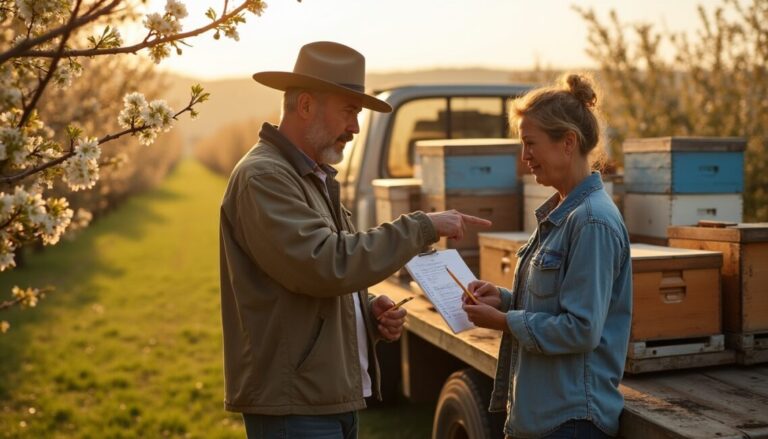
Adoption of the forage peanut benefited a broad set of stakeholders. Family farmers gained higher productivity and lower input costs, while large ranchers improved efficiency and returns. The input sector saw increased demand for seeds, inoculants and planting materials used to establish mixed pastures.
Frigoríficos (meatpackers) and consumers benefited from increased supply and lower production costs, which contributed to reduced beef prices. Technical assistance providers and local businesses also captured value through service provision and sales of materials. Embrapa’s role in early dissemination helped stimulate these market linkages.
Overall, the technology’s multi-actor benefits showcase how a biological innovation can ripple through value chains. Continued extension and private-sector engagement are necessary to sustain and scale these gains across the Amazon biome.
Where to Find Guidance; Contacts and Technical Support for Producers
Producers seeking recommendations can contact Embrapa Acre at its headquarters on Rodovia BR-364, Km 14 (Rio Branco–Porto Velho), Caixa Postal 321, Rio Branco–AC, CEP 69900-970. Phone numbers include (68) 3212-3200 and fax (68) 3212-3284. Embrapa also maintains an online SAC contact channel for queries and technical requests.
For direct inquiries request more information by emailing local extension teams. Example emails: , , . These addresses serve as points of contact for seed sourcing, technical protocols and extension schedules. Embrapa recommends following the published formation techniques and pasture management practices for best results.
Photo credit for field material: VALENTIM, Judson Ferreira. In practical terms, farmers should combine proper establishment timing, adequate inoculation, and grazing management to maximize benefits. Embrapa provides step-by-step recommendations and monitoring tools to support adoption and long-term sustainability.
Edvânia Almeida. Formada em Ciências Contábeis e Pós-graduada em Gestão Financeira: Auditoria e Controladoria pela FGV. Pequena pecuarista e apaixonada pelo Agronegócio e Gestão Estratégica.
Para fornecer as melhores experiências, usamos tecnologias como cookies para armazenar e/ou acessar informações do dispositivo. O consentimento para essas tecnologias nos permitirá processar dados como comportamento de navegação ou IDs exclusivos neste site. Não consentir ou retirar o consentimento pode afetar negativamente certos recursos e funções.
Funcional
Sempre ativo
O armazenamento ou acesso técnico é estritamente necessário para a finalidade legítima de permitir a utilização de um serviço específico explicitamente solicitado pelo assinante ou utilizador, ou com a finalidade exclusiva de efetuar a transmissão de uma comunicação através de uma rede de comunicações eletrónicas.
Preferências
O armazenamento ou acesso técnico é necessário para o propósito legítimo de armazenar preferências que não são solicitadas pelo assinante ou usuário.
Estatísticas
O armazenamento ou acesso técnico que é usado exclusivamente para fins estatísticos.O armazenamento técnico ou acesso que é usado exclusivamente para fins estatísticos anônimos. Sem uma intimação, conformidade voluntária por parte de seu provedor de serviços de Internet ou registros adicionais de terceiros, as informações armazenadas ou recuperadas apenas para esse fim geralmente não podem ser usadas para identificá-lo.
Marketing
O armazenamento ou acesso técnico é necessário para criar perfis de usuário para enviar publicidade ou para rastrear o usuário em um site ou em vários sites para fins de marketing semelhantes.
 Ir para o conteúdo