The New World Screwworm Investment has emerged as a critical, high-impact theme for agricultural investors in 2026. This parasite-driven disruption is reshaping cattle supply chains, trade flows, and profit margins across North America, demanding immediate strategic responses.
As New World Screwworm outbreaks keep the U.S.–Mexico border partially closed to live cattle imports, herd inventories tighten and price volatility rises. Investors, producers, and supply-chain managers must assess biosecurity risks, trade implications, and investment opportunities tied to livestock scarcity and logistics shifts.
This article dissects New World Screwworm Investment dynamics: epidemiology, market effects, policy responses, investment avenues, risk management, and practical scenarios for producers and institutional investors.
New World Screwworm Investment: Epidemiology and Market Triggers
Biology of the Screwworm and Immediate Economic Triggers
The New World screwworm, Cochliomyia hominivorax, infests open wounds of warm-blooded animals and can decimate affected herds rapidly. Outbreaks prompt quarantine zones, livestock movement restrictions and border closures that directly alter supply dynamics.
When infestations persist in Mexico, the U.S. often restricts cross-border cattle trade, tightening feeder and slaughter supply chains. These biosecurity-driven trade bans create short-term scarcity, elevating feeder prices and packing margins, central to any New World Screwworm Investment thesis.
Understanding vector control, detection timelines and eradication protocols is essential for investors evaluating timing, risk premiums and hedging related to livestock asset exposure and agricultural equities.
Surveillance, Diagnostics and Containment Economics
Accurate surveillance combines field detection, PCR confirmation and coordinated reporting to veterinary authorities. Faster diagnostics reduce uncertainty, lowering the severity and duration of trade suspensions that drive market shocks relevant to New World Screwworm Investment.
Containment costs—treatment, carcass disposal, quarantine enforcement and compensation—can be substantial for governments and producers. These direct costs influence cattle supply models and inform investment stress-testing across cow-calf, feedlot and packing segments.
Private sector investment in diagnostic labs, rapid testing platforms, and traceability systems can mitigate economic impacts and represent diversified avenues within a New World Screwworm Investment strategy.
Anúncios
Policy Levers and Border-control Implications
Regulatory responses—import bans, mandatory treatment protocols, and enhanced inspections—determine the duration of disrupted trade lanes. Policymakers balance animal health with market stability, shaping windows of opportunity for investors targeting agricultural commodities or infrastructure.
Long-term policy changes, such as stricter pre-export screening or regionalization agreements, can permanently alter trade economics. These changes affect herd rebuilding timelines and capital allocation decisions included under New World Screwworm Investment considerations.
Close monitoring of USDA, SENASICA (Mexico) and international animal health bodies provides early signals for investment reallocation when border reopening becomes likely.
Anúncios
New World Screwworm Investment: Supply-chain Disruptions and Price Volatility
Short-term Supply Shocks and Cattle Inventory Impacts
Border closures and intra-regional quarantines reduce available feeder cattle volumes, amplifying the impact of already-low U.S. herd inventories. Reduced supply pushes live cattle and boxed-beef prices upward, benefiting cow-calf margins and pressuring processors.
Feedlot throughput interruptions alter packing plant utilization rates, while elevated procurement costs compress downstream margins. These dynamics are core drivers of New World Screwworm Investment scenarios for both physical and financial assets.
Investors should model supply elasticity, slaughter capacity constraints, and feed-cost pass-through to estimate persistence and amplitude of price shocks.
Logistics Bottlenecks and Alternatives for Moving Cattle
Transport restrictions and quarantine zones increase transit times and handling costs. Regional rerouting, temporary holding facilities and increased biosecurity on trucks create new operational costs for producers and packers as part of the New World Screwworm Investment risk profile.
Companies offering biosecure logistics, traceability tech, or virtual cattle markets can benefit. Shifts toward local sourcing and contracted supply chains reduce cross-border vulnerability and present strategic investment targets.
Understanding logistic elasticity and the availability of alternative supply corridors helps investors anticipate winners and losers during prolonged screwworm disruptions.
Table: Comparative Impact on Cattle Market Segments
Segment
Short-term impact
Potential beneficiaries
Cow-Calf Producers
Higher feeder prices, improved margins
Small/medium ranchers, breeding asset holders
Feedlots
Higher input costs, reduced throughput volatility
Vertically integrated operations
Packers
Input scarcity, margins may widen for integrated firms
Large processors, cold-chain firms
New World Screwworm Investment: Risk Management for Producers and Investors
On-farm Biosecurity and Capital Allocation
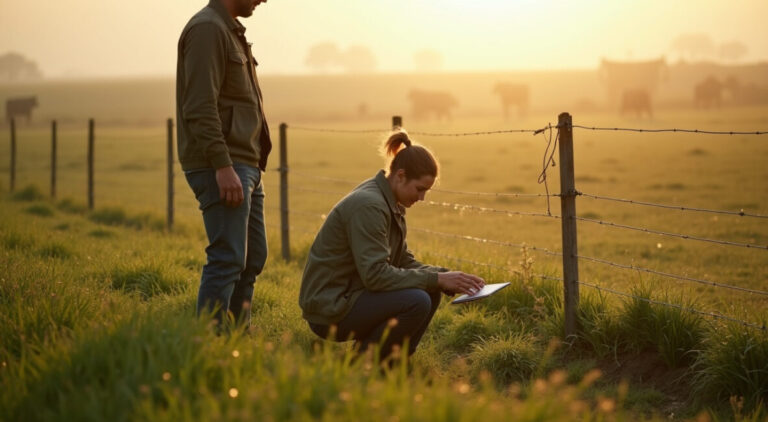
Producers must prioritize wound management, ear-tag monitoring, and fly-control programs to reduce screwworm exposure. Capital allocation toward improved fences, labor training and veterinary support lowers herd infection risk and stabilizes asset value in a New World Screwworm Investment context.
Insurance products and indemnity frameworks reduce downside but vary by region. Evaluating coverage gaps helps investors advise or structure risk-sharing instruments for ranchers and feedlots.
Integrated risk management lowers volatility for agricultural investments and preserves herd productivity when outbreaks occur.
Financial Hedges and Market Instruments
Investors can use futures, options, and protein spread trades to hedge exposure to cattle-price swings driven by screwworm disruptions. Equity positions in processors or input suppliers require stress-testing against prolonged trade closures under New World Screwworm Investment scenarios.
Private credit to producers or mezzanine financing for infrastructure investments in biosecurity offers alternative returns with agricultural covenants tied to herd health metrics.
Robust scenario analysis and liquidity planning are essential to manage margin calls and maintain portfolio resilience during epidemic-driven volatility.
First Responders: Veterinary Services and Emergency Funding
Rapid access to veterinary treatment teams, mobile labs and emergency funds reduces outbreak duration and economic fallout. Public-private partnerships that fund rapid response capabilities can shorten trade suspensions and stabilize markets, directly influencing New World Screwworm Investment outcomes.
Investors may evaluate opportunities to back companies providing diagnostic services, mobile treatment units or emergency feed logistics that become critical during outbreaks.
Assessing the scalability and reimbursement models of these services is key to estimating their investment return potential.
Anúncios
New World Screwworm Investment: Policy, Trade and International Relations
Trade Policy Shifts and Their Investment Consequences
Sanitary barriers imposed to prevent screwworm spread affect bilateral trade agreements and can prompt compensation mechanisms or new inspection regimes. These policy shifts change cross-border supply and pricing dynamics critical to New World Screwworm Investment assessments.
Regulatory harmonization or divergence between the U.S. and Mexico will influence how quickly live-animal trade resumes, affecting livestock supply forecasts and related commodity prices.
Investors should track policy announcements from USDA, APHIS and Mexico’s SENASICA for leading indicators that affect market reopening timelines.
Regionalization and Targeted Import Protocols
Regionalization—allowing trade from unaffected zones—may enable partial reopening and reduce the severity of supply shocks. Protocols like pre-export treatment, certification and enhanced traceability can mitigate complete border closures and influence New World Screwworm Investment valuations.
Companies offering certification, testing, and transport sanitization services gain importance under targeted import frameworks, creating new market niches for investment.
Understanding the timeline and costs associated with regionalization is crucial for realistic scenario planning.
Table: Policy Actions and Expected Market Timelines
Policy Action
Estimated Market Reaction Time
Investment Implication
Full border closure
Immediate–weeks
Sharp price spikes; favor producers and local processors
New World Screwworm Investment: Market Opportunities and Investment Vehicles
Direct Agricultural Assets and Physical Exposure
Owning cow-calf operations, breeding stock, or feedlot capacity provides direct exposure to rising cattle prices in screwworm-driven scarcity. These physical assets benefit from higher margins but require robust biosecurity and operational expertise as part of any New World Screwworm Investment plan.
Capital-intensive investments, such as feedlot expansions or cold storage, can capture value if supply constraints persist and demand remains robust.
Due diligence must include veterinary risk assessments, regional disease prevalence, and contingency plans for movement restrictions.
Equities, Private Equity and Service Providers
Publicly traded packers, animal-health companies, and logistics firms often react favorably to supply disruptions when they have scale or vertical integration. Private equity can target distressed ranches or service providers offering biosecurity—both viable New World Screwworm Investment strategies.
Investors should evaluate balance sheets, contractual exposure to Mexico trade, and the company’s ability to pass higher input costs to customers.
Companies that provide diagnostics, vaccines, and traceability tools may offer attractive growth prospects tied to heightened disease-management spending.
Alternative Instruments and Yield Opportunities
Debt financing to ranchers for biosecurity upgrades, revenue-based financing tied to herd productivity, and structured products linked to cattle indices create alternative yield-generating instruments. These blended instruments fit within diversified New World Screwworm Investment approaches.
Careful structuring with veterinary covenants and monitoring arrangements reduces moral hazard and protects lenders and investors from unmitigated disease risk.
Understanding counterparty risk and regional epidemiology remains essential when designing and underwriting these investments.
New World Screwworm Investment: Practical Action Plan for Stakeholders
Checklist for Producers and Ranch Managers
Implement rigorous wound inspection and treatment protocols.
Strengthen fly-control measures and environmental sanitation.
Enhance recordkeeping and animal traceability systems.
Secure emergency veterinary and logistics arrangements.
Review insurance, indemnity, and compensation programs.
Producers should prioritize low-cost, high-impact biosecurity measures to minimize outbreak risk. Continuous staff training and coordinated reporting with veterinary authorities are practical first steps under a New World Screwworm Investment-aware management plan.
Small-to-medium operations can access coordinated services or join cooperative arrangements to share response costs and strengthen regional resilience.
Guidelines for Institutional Investors and Fund Managers
Institutional investors should incorporate epidemiological scenarios into portfolio stress tests, model supply-chain shocks and evaluate exposure across the value chain. Allocations to agricultural equities, infrastructure, and private lending should include explicit biosecurity and regional disease risk parameters tied to New World Screwworm Investment theses.
Due diligence must assess management experience with animal health crises and contingency liquidity provisions to withstand price swings.
Active engagement with portfolio companies around risk mitigation and complementary investments in diagnostics or logistics can enhance returns and reduce downside.
Technology and Services to Prioritize
Invest in rapid diagnostic platforms, RFID-based traceability, tele-veterinary services, and biosecure transport solutions. These technologies shorten detection-to-response times and reduce market uncertainty, increasing the resilience of assets tied to New World Screwworm Investment.
Platforms enabling real-time herd health monitoring or marketplace liquidity for feeder cattle reduce the impact of regional trade suspensions and create new business models for investors.
Evaluating scalability and recurring revenue models is essential when selecting technology targets for investment.
New World Screwworm Investment: Long-term Outlook and Strategic Implications
Herd Rebuilding and Structural Changes in Cattle Supply
Declining U.S. herd inventories—lowest in 75 years—combined with border disruptions accelerate herd rebuilding incentives and capital flows into reproduction and genetics. Investment in breeding stock and veterinary services may produce sustained returns as supply rebalances under New World Screwworm Investment scenarios.
Long-term structural shifts could include more regionalized supply chains, higher per-head biosecurity spending, and consolidation favoring operations with robust health protocols.
Persistent trade uncertainty incentivizes vertical integration to control supply risk—from ranch ownership through packing and distribution. Firms that internalize sourcing and processing capture margin and reduce exposure to border shocks, a key dynamic within New World Screwworm Investment strategies.
Consolidation may lead to increased bargaining power, efficiency gains, and targeted capital deployment into biosecure infrastructure.
Antitrust considerations and capital intensity of such moves should factor into investment return models.
Intensified biosecurity and treatment regimes must balance animal welfare and environmental impacts. Sustainable practices—improved pasture management, integrated pest management, and reduced antibiotic reliance—affect long-term productivity and public perception tied to New World Screwworm Investment outcomes.
Investors should prioritize companies and projects that demonstrate both disease resilience and sustainable stewardship to mitigate reputational risks.
Integration of welfare metrics into investment selection improves alignment with institutional ESG mandates and long-term value creation.
Conclusion
The New World Screwworm Investment theme combines epidemiology, trade policy, and commodity economics into a high-stakes narrative for 2026. Outbreaks and border measures have immediate price effects, while driving investment into biosecurity, diagnostics, and vertically integrated supply chains.
Investors and producers must blend rapid-response tactics with long-term structural planning—assessing herd health, logistics, and regulatory shifts to capture opportunities while managing downside. Monitor official sources and vetting technical partners to act decisively when windows of opportunity open.
FAQ — Frequently Asked Questions
What is the New World Screwworm and Why Does It Matter for Investors?
The New World screwworm is a parasitic fly whose larvae infest living tissue, causing rapid animal morbidity. For investors it matters because outbreaks trigger trade restrictions, reduce cattle supply, and increase price volatility—affecting producers, processors, and related service providers.
How Does a Border Closure with Mexico Affect Cattle Markets?
Border closures disrupt live-animal imports, tightening feeder supply and elevating live-cattle and beef prices. This increases margins for domestic producers but pressures processors and limits supply-chain flexibility, creating both risk and investment opportunities tied to New World Screwworm Investment.
What Short-term Actions Should Producers Take to Reduce Risk?
Producers should intensify wound inspections, apply effective fly control, document traceability, and secure rapid veterinary access. These measures reduce infection risk, shorten response time, and preserve asset value amid screwworm-related trade disruptions and market uncertainty.
Which Investment Sectors Benefit Most from Screwworm-driven Disruptions?
Animal-health companies, diagnostics, biosecure logistics, vertically integrated meat processors, and technology platforms for traceability typically benefit. Private credit for biosecurity upgrades and infrastructure investments also become attractive as supply constraints persist.
How Can Investors Monitor Outbreak Risk and Policy Changes?
Track official updates from USDA, APHIS, Mexico’s SENASICA, and OIE, along with livestock market indicators and regional veterinary networks. Early signals from diagnostics and policy announcements inform timing for reallocation or hedging tied to New World Screwworm Investment.
Edvânia Almeida. Formada em Ciências Contábeis e Pós-graduada em Gestão Financeira: Auditoria e Controladoria pela FGV. Pequena pecuarista e apaixonada pelo Agronegócio e Gestão Estratégica.
Para fornecer as melhores experiências, usamos tecnologias como cookies para armazenar e/ou acessar informações do dispositivo. O consentimento para essas tecnologias nos permitirá processar dados como comportamento de navegação ou IDs exclusivos neste site. Não consentir ou retirar o consentimento pode afetar negativamente certos recursos e funções.
Funcional
Sempre ativo
O armazenamento ou acesso técnico é estritamente necessário para a finalidade legítima de permitir a utilização de um serviço específico explicitamente solicitado pelo assinante ou utilizador, ou com a finalidade exclusiva de efetuar a transmissão de uma comunicação através de uma rede de comunicações eletrónicas.
Preferências
O armazenamento ou acesso técnico é necessário para o propósito legítimo de armazenar preferências que não são solicitadas pelo assinante ou usuário.
Estatísticas
O armazenamento ou acesso técnico que é usado exclusivamente para fins estatísticos.O armazenamento técnico ou acesso que é usado exclusivamente para fins estatísticos anônimos. Sem uma intimação, conformidade voluntária por parte de seu provedor de serviços de Internet ou registros adicionais de terceiros, as informações armazenadas ou recuperadas apenas para esse fim geralmente não podem ser usadas para identificá-lo.
Marketing
O armazenamento ou acesso técnico é necessário para criar perfis de usuário para enviar publicidade ou para rastrear o usuário em um site ou em vários sites para fins de marketing semelhantes.
 Ir para o conteúdo