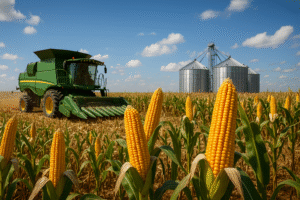
EmbrapaMilho e Sorgo and Latina Seeds launched the giant forage sorghum hybrid BRS 662, marketed as LAS6002F, on March 11, 2026, in Minas Gerais. The release took place during the 50th anniversary ceremony of Embrapa Milho e Sorgo and marked the formal entry of the cultivar into commercial circulation across Brazil.
The hybrid promises high productivity and stability for first and second crop cycles, offering producers increased security and lower costs. Its attributes include rapid development, strong regrowth and resilience to major fungal diseases, which together signal potential shifts in forage and energy production strategies for livestock and bioenergy sectors.
Potential Yield Above 80 Tonnes Per Hectare in Single Cut over Up to 125 Days
BRS 662 (LAS6002F) demonstrates potential forage yields exceeding 80 tonnes per hectare from a single cut within a cycle of up to 125 days. Embrapa researchers measured this productivity under recommended management, highlighting the hybrid’s capacity to deliver high biomass in relatively short cycles.
The yield figure places the cultivar among the most productive forage sorghums available for Brazilian systems. For farmers, such biomass output can translate into greater silage volumes or more feedstock for biogas and cogeneration, improving cost-efficiency per unit of production.
High per-cut yield also reduces the need for multiple harvests on certain farms, lowering labor and machinery costs and simplifying logistics in large-scale operations. This can be particularly relevant for producers managing extensive herds or integrated crop-livestock systems.
Anúncios
Regrowth Reaches Up to 60% Of First-cut Production, Enhancing Multi-cut Use
The hybrid shows elevated re-sprouting capacity, with regrowth reaching up to 60% of the initial cut’s production in subsequent cycles. This capacity supports multiple harvest strategies and can extend usable forage duration without full replanting.
Such regrowth performance makes BRS 662 suitable for regions with two cropping windows per year and for farms seeking to maximize annual forage output. Producers can plan a first productive cut followed by a valuable regrowth, improving overall feeding security through variable seasons.
Practically, the rebrota rate reduces seed and establishment costs per ton of forage produced across the year. It may also improve land use efficiency, as a single sowing could support more than one harvest under proper management.
Recommended for Center-West and Southeast Regions Including DF, GO, MT, MS, ES, MG, RJ, SP
Embrapa and Latina Seeds recommend cultivation of BRS 662 across Brazil’s main forage sorghum-producing regions. The target states include the Federal District, Goiás, Mato Grosso, Mato Grosso do Sul, Espírito Santo, Minas Gerais, Rio de Janeiro and São Paulo.
Anúncios
Recommendation is based on multi-environment trials that showed stable performance across diverse growing conditions in these areas. The hybrid’s adaptability to different soil types and climatic scenarios supports wider adoption among regional producers.
Regional suitability also aligns with livestock density and feed demand in those states, where producers face increasing pressure to secure forage supplies amid climatic variability. Local extension services will likely play a role in scaling adoption.
Anúncios
Height of 4–5 Meters and Grain Production in the First Crop; Seeds Packaged at 150,000 Units
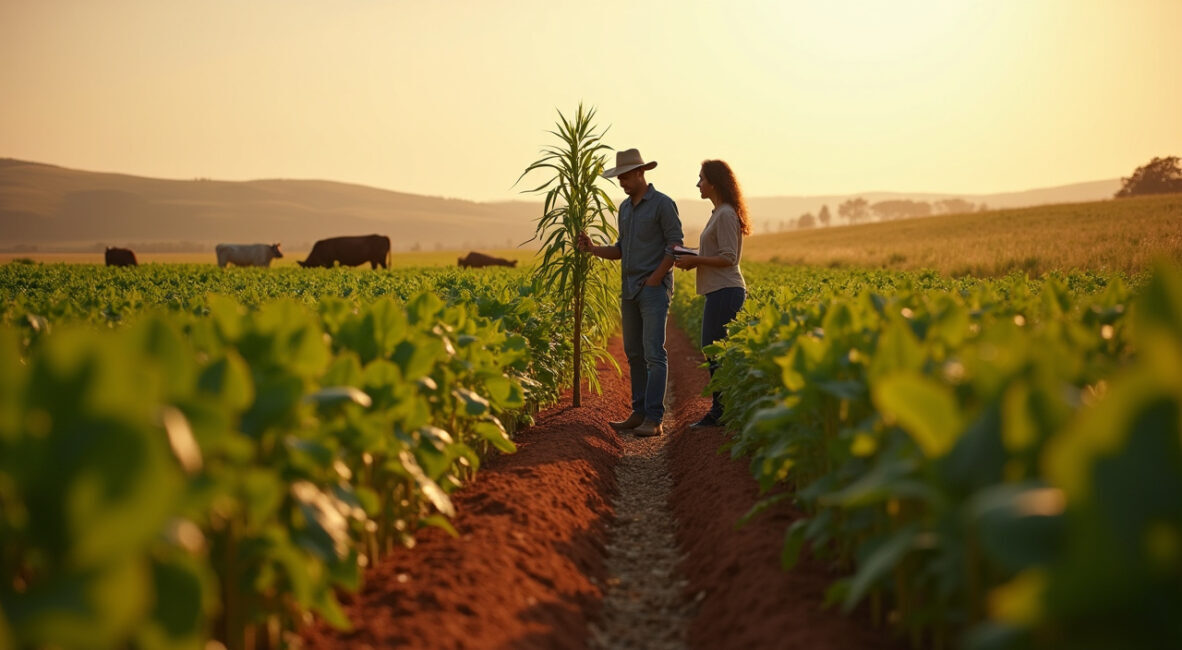
BRS 662 plants reach an average height of four to five meters and are notable for producing a grain panicle during the first crop cycle. Plant height and graining differentiate this hybrid within the giant forage category and provide alternative uses for harvested material.
The cultivar is commercialized in 150,000-seed packages, aligning sowing recommendations of 120,000 to 130,000 seeds per hectare. Seeds are industrially treated with insecticide and fungicide to protect the critical germination and early development stages.
Grain production in the first cycle adds value for farmers who may combine forage and grain objectives within a single season. Packaging by seed count aims to professionalize trade and facilitate precise seeding rates comparable to maize and soybean markets.
Sanitary Profile Shows Strong Tolerance to Anthracnose, Helmintosporiosis and Cercosporiosis
Researchers reported that BRS 662 presents very good sanitary tolerance to severe fungal diseases such as anthracnose, helmintosporiosis and cercosporiosis. Embrapa’s breeder Rafael Parrella cited disease resistance as a key advantage for national adoption.
Resistance reduces the reliance on fungicide interventions and helps maintain foliar area and plant vigor throughout the crop cycle. For producers, this can lower chemical costs and improve final forage quality, especially for silage production.
Combined disease tolerance and lodging resistance increase the likelihood of stable yields under pathogen pressure and adverse weather. This profile enhances the cultivar’s competitiveness relative to existing forage sorghums.
Applications Include Animal Feed, Biogas Production and Low‑cost Cogeneration
The new hybrid produces forage with high cellulose and hemicellulose and low lignin levels, characteristics favorable for animal nutrition and anaerobic digestion. Embrapa notes the hybrid is suitable for silage, biogas feedstock and energy cogeneration at low production cost.
High carbohydrate content and reduced lignification can improve digestibility for ruminants and enhance methane yield in biogas systems. These attributes broaden the hybrid’s market beyond direct livestock feeding to include renewable energy chains.
Adoption in bioenergy projects could provide an additional revenue stream for producers and processors. The multifunctional use also enhances system resilience by allowing farmers to pivot between markets as prices and demands change.
Initial Seed Production of 10,000 Sacks Sold Nationwide; Plan to Triple Supply for 30,000 Hectares
The first seed production for the 2026 season reached 10,000 sacks and was sold across Brazil and exported to Paraguay. Latina Seeds reported nationwide distribution and early international uptake, signaling market interest beyond domestic demand.
The company plans to at least triple seed production for the next season to support planting on more than 30,000 hectares. Executives emphasize scaling seed availability to meet expected adoption and to professionalize sorghum seed commerce.
Latina Seeds also stressed the need for soil analysis, pest management and targeted fungicide use to maximize crop performance. Technical support and scaled seed supply will be critical to translating the hybrid’s genetic potential into widespread farm-level gains.
Edvânia Almeida. Formada em Ciências Contábeis e Pós-graduada em Gestão Financeira: Auditoria e Controladoria pela FGV. Pequena pecuarista e apaixonada pelo Agronegócio e Gestão Estratégica.
Para fornecer as melhores experiências, usamos tecnologias como cookies para armazenar e/ou acessar informações do dispositivo. O consentimento para essas tecnologias nos permitirá processar dados como comportamento de navegação ou IDs exclusivos neste site. Não consentir ou retirar o consentimento pode afetar negativamente certos recursos e funções.
Funcional
Sempre ativo
O armazenamento ou acesso técnico é estritamente necessário para a finalidade legítima de permitir a utilização de um serviço específico explicitamente solicitado pelo assinante ou utilizador, ou com a finalidade exclusiva de efetuar a transmissão de uma comunicação através de uma rede de comunicações eletrónicas.
Preferências
O armazenamento ou acesso técnico é necessário para o propósito legítimo de armazenar preferências que não são solicitadas pelo assinante ou usuário.
Estatísticas
O armazenamento ou acesso técnico que é usado exclusivamente para fins estatísticos.O armazenamento técnico ou acesso que é usado exclusivamente para fins estatísticos anônimos. Sem uma intimação, conformidade voluntária por parte de seu provedor de serviços de Internet ou registros adicionais de terceiros, as informações armazenadas ou recuperadas apenas para esse fim geralmente não podem ser usadas para identificá-lo.
Marketing
O armazenamento ou acesso técnico é necessário para criar perfis de usuário para enviar publicidade ou para rastrear o usuário em um site ou em vários sites para fins de marketing semelhantes.
 Ir para o conteúdo